 Landmark
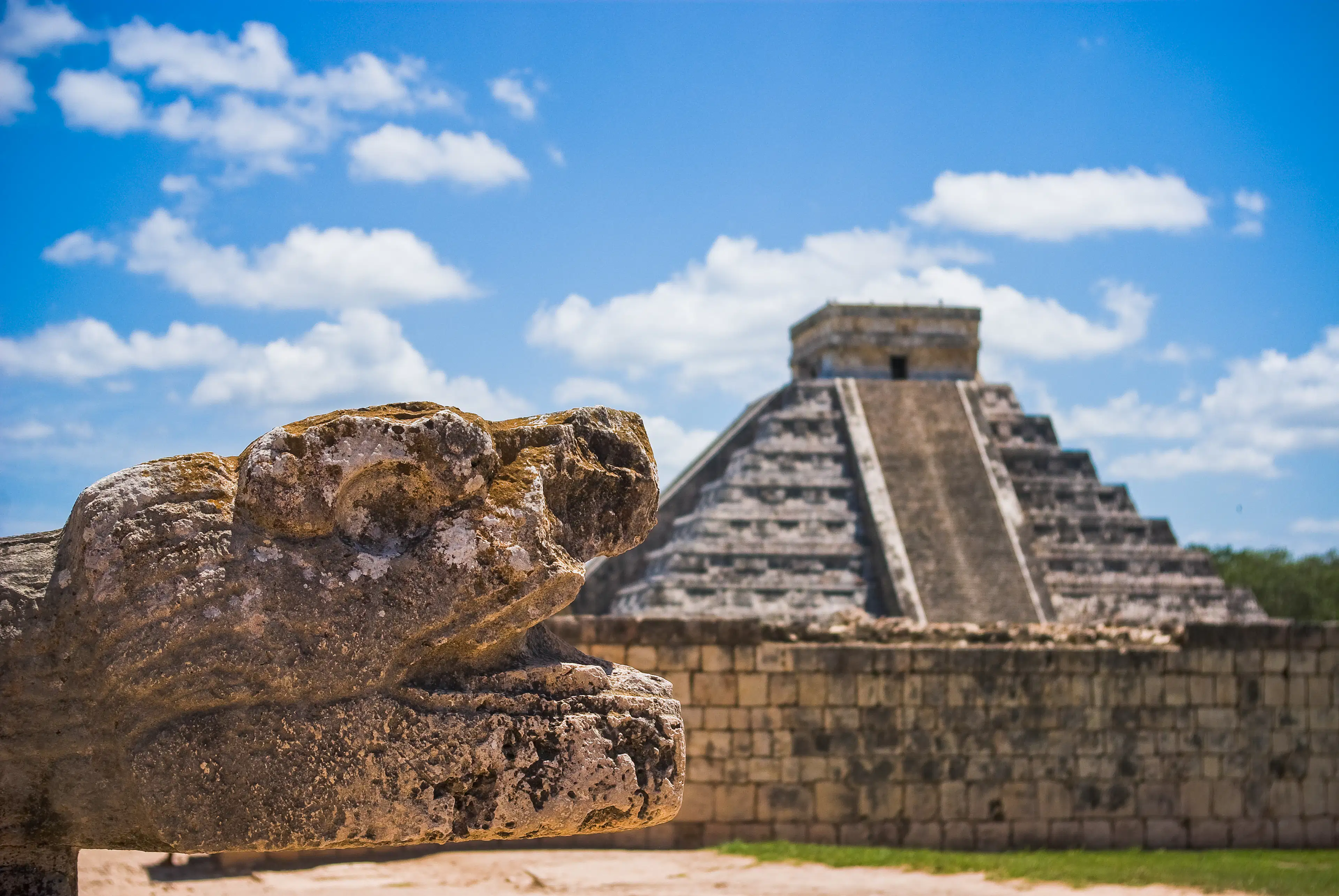
Faro Diego Velázquez Lighthouse
Climb Cayo Paredón Grande's black-and-yellow lighthouse, built in 1859, for sweeping views across the Jardines del Rey cays.

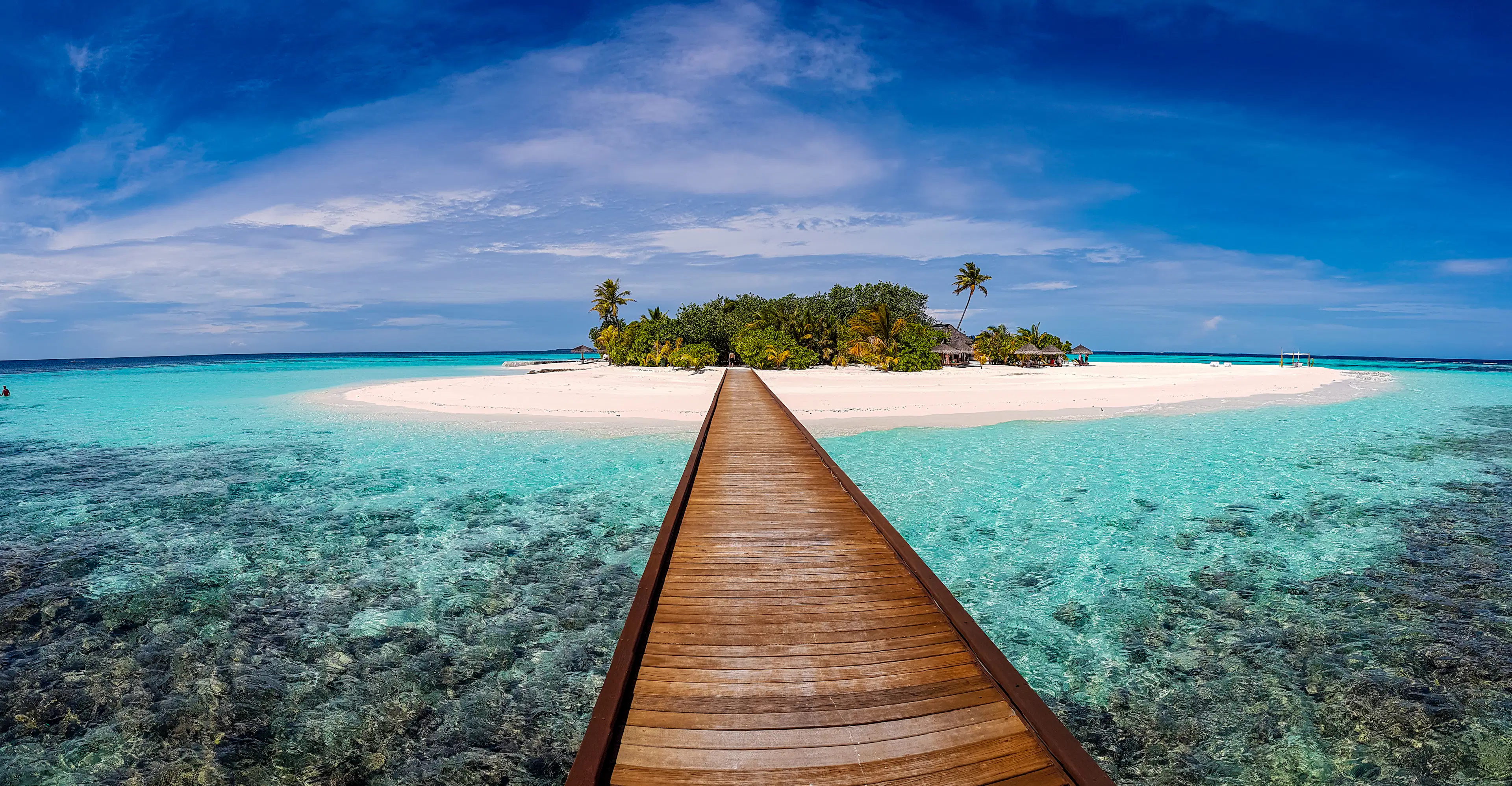
Flight + hotel breaks · Direct flights from Canada
Flight + Hotel · Flights Included
Flight + hotel breaks on Cuba's Jardines del Rey, with return flights from Canada
View all packagesNo deals from Toronto right now
Try another departure city, or check back soon.
At a glance
Cayo Paredón Grande sits at the eastern end of Cuba's Jardines del Rey archipelago, in Ciego de Ávila province, linked to the mainland by the long pedraplén causeway that runs past flamingo lagoons out to the cays. It is a small, low-key key crowned by the 1859 Faro Diego Velázquez lighthouse, with neighbouring Cayo Coco and Cayo Guillermo close by and the colonial towns of Morón and Remedios an easy day trip inland.
Climate
24–31°C · warm & sunny
Warm and sunny in the dry season (Nov–Apr); hotter and greener May–Oct.
Currency
Cuban Peso
Cash only — bring CAD or EUR to exchange on arrival
Entry
Tourist Card required
Valid passport + Cuban Tourist Card
LandmarkClimb Cayo Paredón Grande's black-and-yellow lighthouse, built in 1859, for sweeping views across the Jardines del Rey cays.
 Food & nightlife
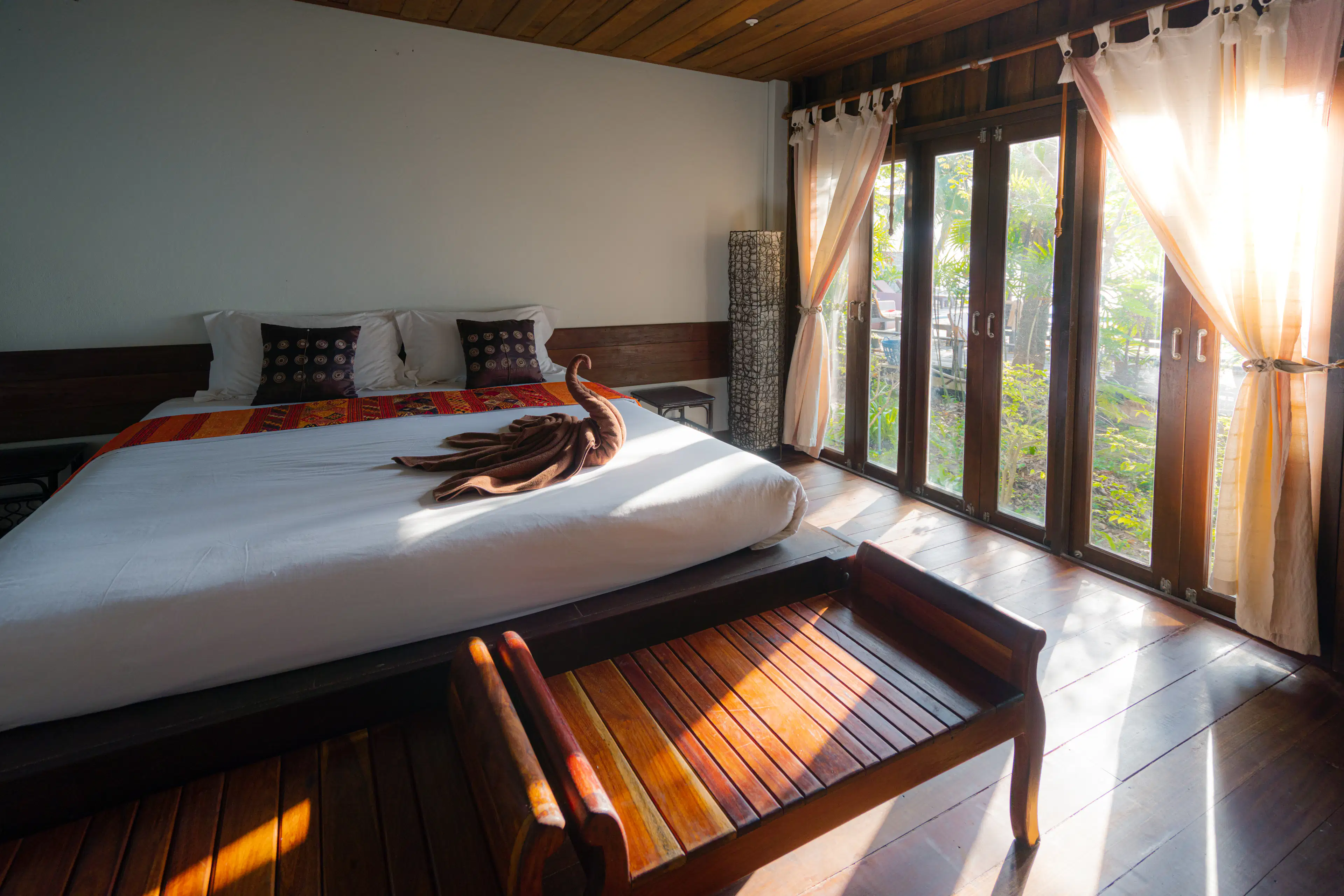
Head to nearby Cayo Coco to dine and dance inside a natural cave, home to a live Cuban cabaret show after dark.
Day tripDrive inland to San Juan de los Remedios, a sleepy 16th-century town of pastel squares, twin plazas, and old churches.
Passport: A Canadian passport valid for the length of your stay is required to enter Cuba.
Cuban Tourist Card: Canadians need a Cuban Tourist Card (Tarjeta del Turista), valid for a single 30-day stay — most tour operators include it with a package.
Travel insurance: Cuba requires proof of travel medical insurance on arrival, and provincial health plans do not cover care in Cuba — buy comprehensive coverage before you fly.
Power & plugs: Cuba uses 110V and 220V at 60Hz with Type A/B/C/L plugs — Canadian devices work on 110V outlets, but pack a universal adapter for 220V rooms.
Time zone: Cuba runs on Cuba Time (UTC-5), the same clock as Toronto and Montreal, and observes daylight saving in step with Canada.
Dry, sunny and warm — prime winter-sun months and busiest for Canadians.
Hot and greener with the odd afternoon shower and better value.
Hottest, humid, and popular with families on summer holidays.
Warm and wetter with the fewest crowds and lowest prices of the year.
Where to stay
The Jardines del Rey archipelago strings several cays together along one causeway. Here's how the areas around Cayo Paredón compare.
The cay itself
The easternmost key, home to the Diego Velázquez lighthouse and a small cluster of newer resorts well away from the crowds.
Neighbouring cay
The archipelago's central key with the airport, most resorts, the Cueva del Jabalí cabaret, and El Bagá nature park.
West end
A smaller, greener key at the far end of the causeway, known for calm inlets and Hemingway's old fishing haunts.
Mainland gateway
The colonial town at the foot of the causeway, with the Laguna La Redonda, casas particulares, and everyday Cuban life.
Beyond the cay
The Jardines del Rey causeway opens onto colonial towns, lagoons, and nature reserves. Every excursion below can be booked through ShopTravel or your hotel desk.
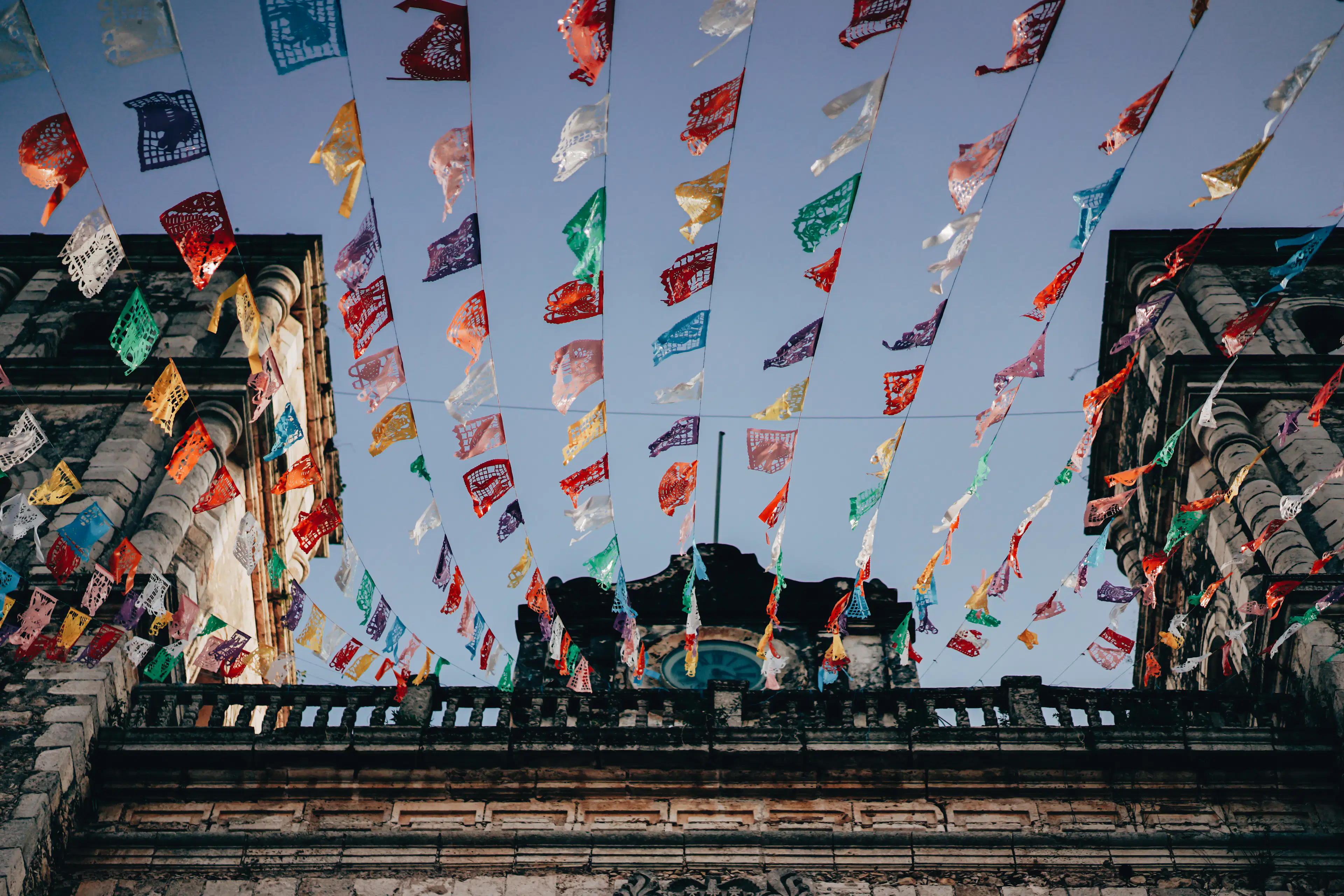
Colonial TownExplore 16th-century San Juan de los Remedios and Che Guevara's Santa Clara, with churches, plazas, and a cigar stop.
 Lagoon & Town
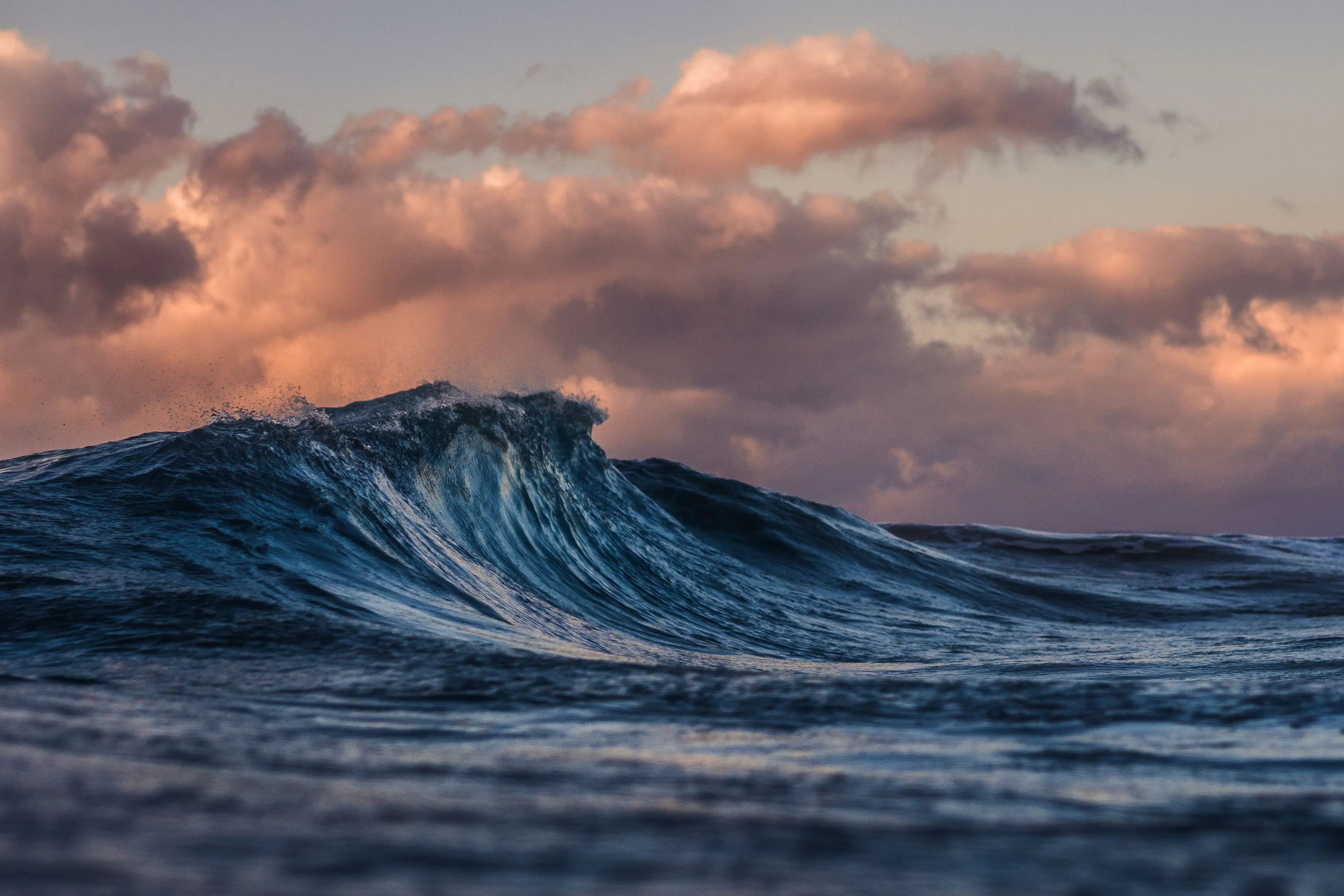
Boat through the mangrove channels of Laguna La Redonda, then wander the streets of the town of Morón.
NatureRide the pedraplén to the flamingo lagoons and the El Bagá nature area to spot pink flocks and native birdlife.
 On the Water
Sail the calm inlets off Cayo Guillermo, with a snorkel stop and a seafood lunch on a sandbar cay.
Flight + hotel breaks with flights from Canada, starting at
Good to know
Everything Canadian travellers ask before booking
Canadians don't need a full visa but do need a Cuban Tourist Card (Tarjeta del Turista) for a stay of up to 30 days, plus a valid passport. Most operators include the card with a package.
Direct seasonal flights from Toronto to Jardines del Rey Airport (CCC) on Cayo Coco take about 3h 45m; the cays are then a short transfer along the causeway.
You fly into Jardines del Rey Airport (CCC) on Cayo Coco, which serves Cayo Paredón Grande and the neighbouring cays.
November to April is the dry, sunny peak season. May to October is hotter and greener with fewer crowds and lower prices.
Cuba is largely cash-based on the Cuban Peso. Bring Canadian dollars or euros to exchange on arrival, as foreign credit and debit cards often don't work.
Yes. Cuba requires proof of travel medical insurance on entry, and Canadian provincial plans don't cover care there, so comprehensive coverage is essential.
The cays are linked to the mainland by the pedraplén causeway. Getting around is by taxi, hotel shuttle, organised excursion, or rental car — there's no public transit.
Yes. You can add day trips like the Remedios colonial tour or the Laguna La Redonda boat trip to your booking at checkout or through your hotel desk.