 City icon
Muelle del Tinto & the Waterfront
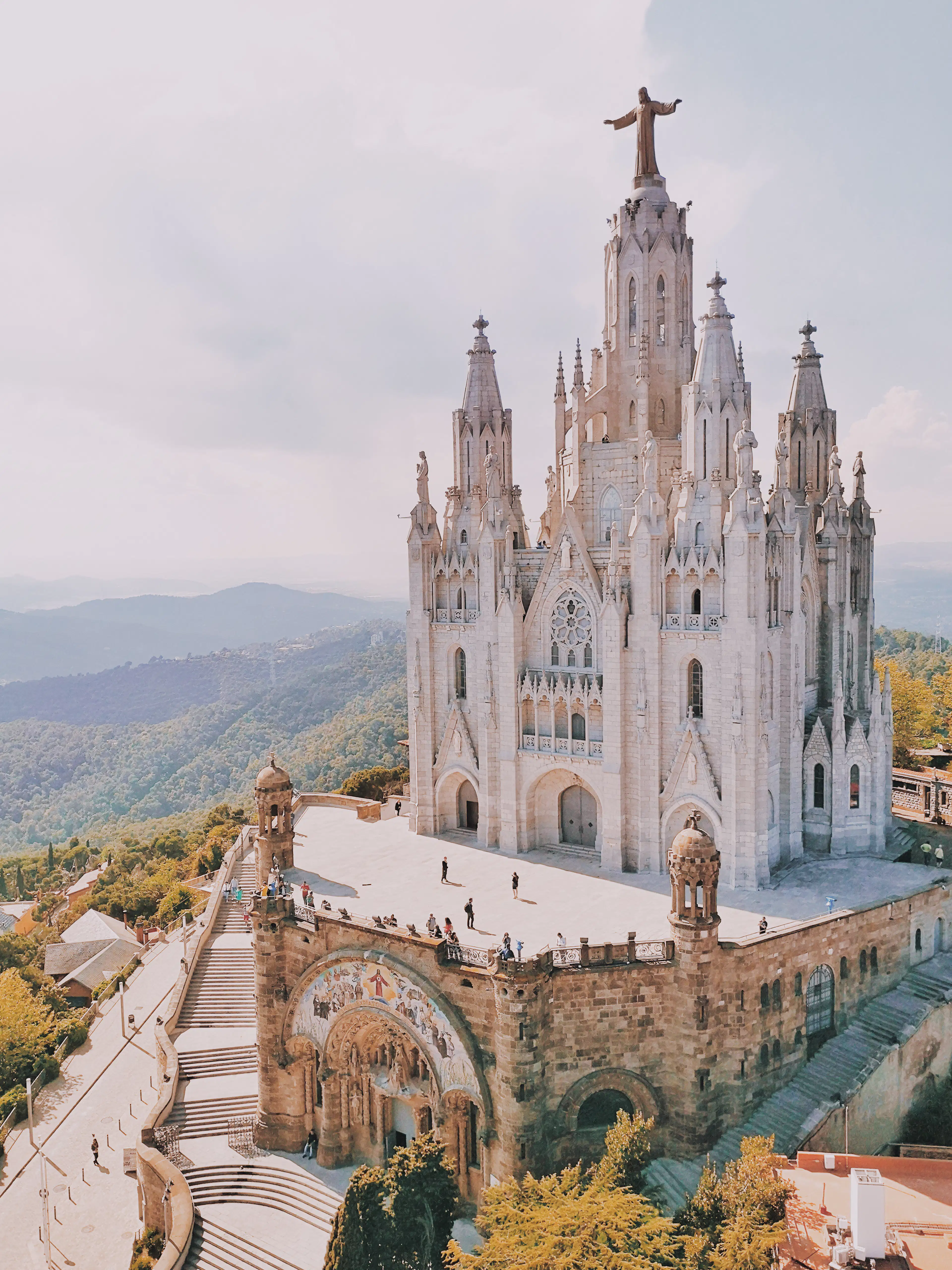
Stroll the sweeping 19th-century Rio Tinto ore pier, an iron promenade over the estuary built by a disciple of Eiffel, then walk the Paseo de la Ría at sunset.

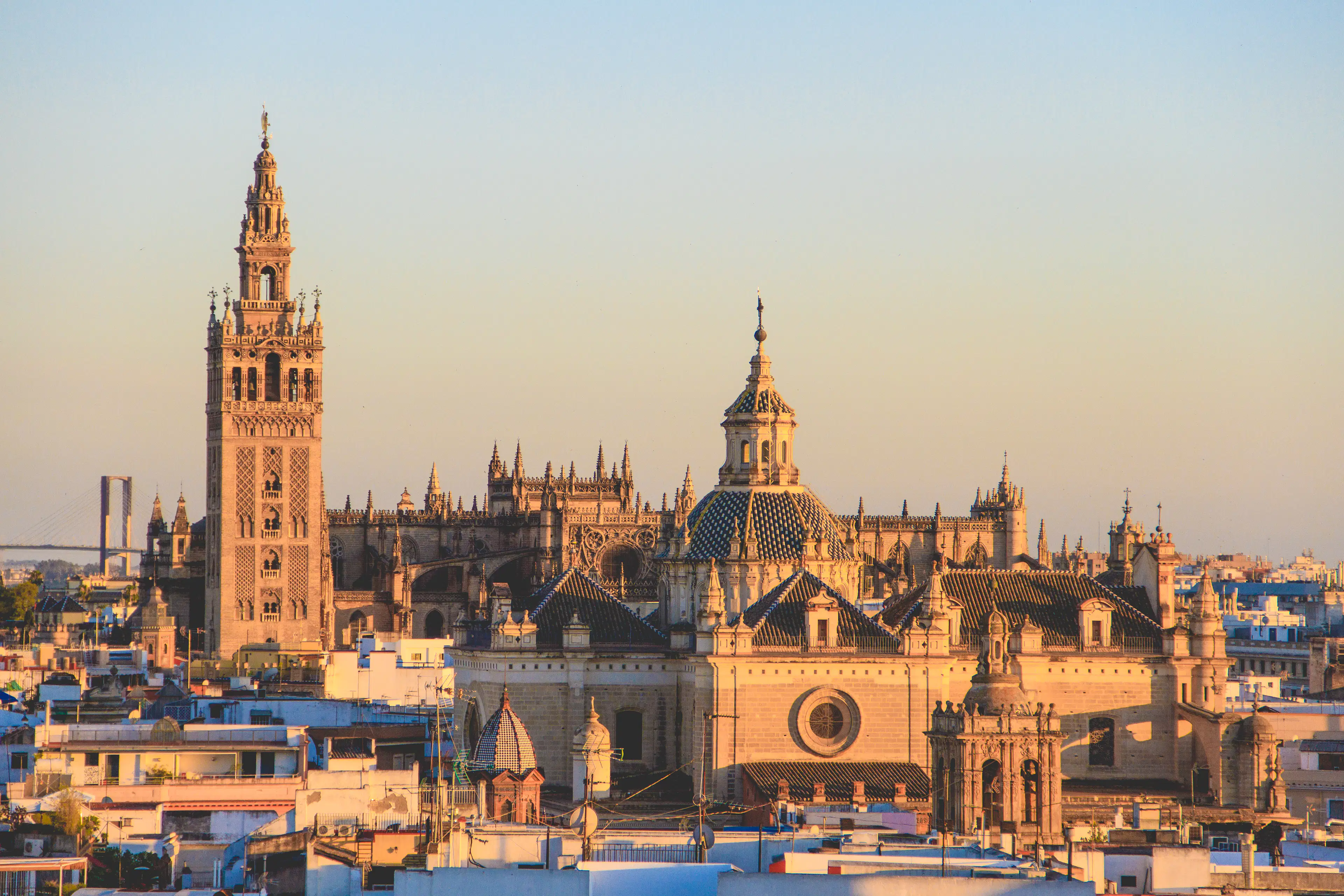
Flight + hotel city breaks · Ibérico ham, white prawns & the Columbus trail
City Breaks · Flights Included
Return flights into Faro (FAO) plus a Costa de la Luz base — build a week or a long stay
View all packagesNo deals from Toronto right now
Try another departure city, or check back soon.
At a glance
Huelva is Andalusia's western capital, where the Tinto and Odiel rivers meet the Atlantic on the Costa de la Luz. It is an unpolished, working Spanish city — the wrought-iron Muelle del Tinto pier, the leafy English-built Barrio Reina Victoria, and a tapas scene built on Jabugo ham and the famous gambas blancas (white prawns). It was from Palos de la Frontera, just across the estuary, that Columbus sailed in 1492, and the province behind the city hides Doñana's wetlands and the Mars-red Río Tinto. Spring and autumn bring warm, dry days and the smallest crowds.
Climate
16–33°C · sunny & dry
One of Spain's sunniest corners — hot, dry summers and mild winters. Spring and autumn are ideal for walking the city.
Currency
Euro (EUR)
Cards accepted widely · carry small cash for markets and tapas bars
Entry
Visa-free
Up to 90 days for Canadians in the Schengen Area
Gateway airport
Faro (FAO)
The nearest airport sits across the border in Portugal, about 120 km and a 1h15 drive from Huelva — hire a car or pre-book a transfer.
City iconStroll the sweeping 19th-century Rio Tinto ore pier, an iron promenade over the estuary built by a disciple of Eiffel, then walk the Paseo de la Ría at sunset.
 Old town
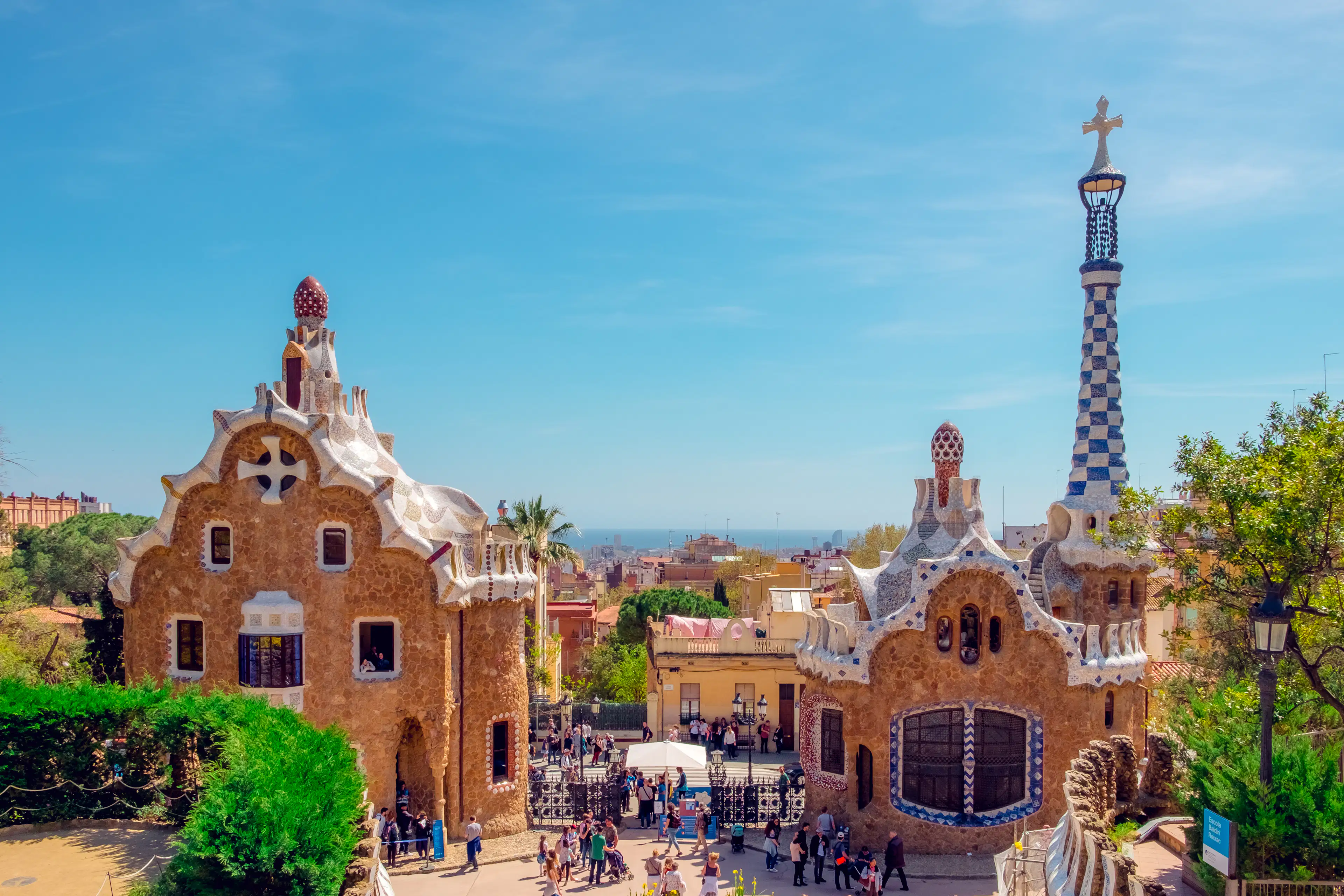
Wander the English 'Barrio Obrero' of red-brick cottages the Rio Tinto Company built for its miners, the Gran Teatro and the Plaza de las Monjas at the city's heart.
 Eat & drink
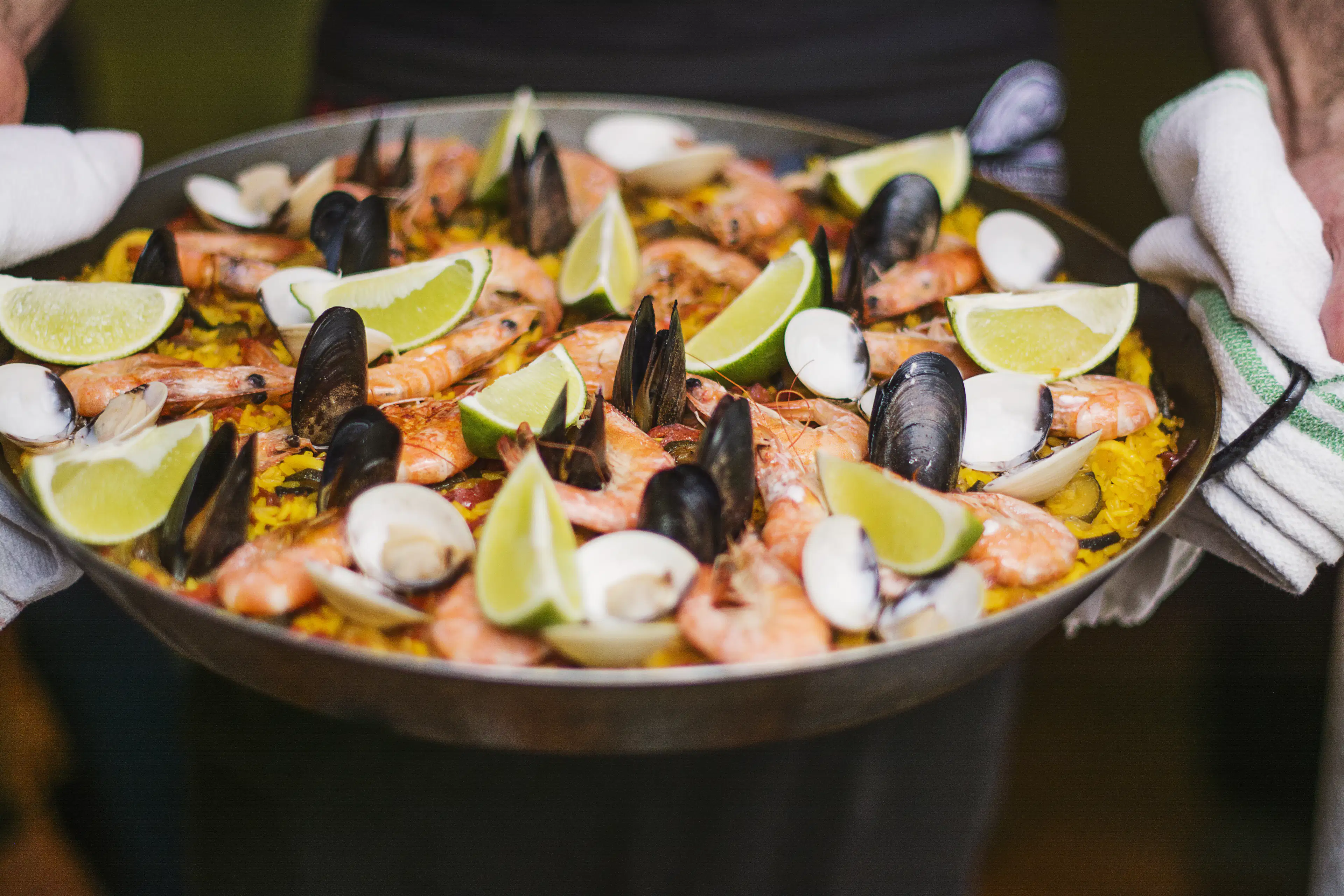
Graze the tapas bars around Calle Berdigón on acorn-fed Jabugo ham, sweet white prawns, chocos (cuttlefish) and a cold glass of Condado de Huelva wine.
Passport: A valid Canadian passport is all you need — it should be valid for at least 3 months beyond your planned departure from the Schengen Area.
Visa & ETIAS: Canadians can visit visa-free for up to 90 days in any 180. A separate ETIAS travel authorisation is expected to be required in future — check its status before you fly. Note your flight lands in Portugal, also in Schengen, so there are no border formalities driving into Spain.
Getting from Faro: From Faro airport it is about 120 km (1h15) to Huelva along the A-22/A-49 motorway across the Guadiana bridge. A hire car is the easiest option; direct coaches and pre-booked transfers also run.
Power & plugs: Spain and Portugal both use 230V/50Hz with Type C/F (two round pins). Bring a plug adapter for Canadian devices.
Time zone: Huelva runs on Central European Time (CET), six hours ahead of Toronto. Watch the clock at Faro airport — Portugal is on Western European Time, one hour behind Spain.
Warm, dry days, strawberry season and Holy Week processions — the finest weather for sightseeing on foot.
Hot and sunny with warm Atlantic water and thinner crowds — great value on the Costa de la Luz.
Peak Spanish holidays; the interior can top 40°C and coastal towns fill up. Book early if you must travel then.
Mild, quiet and cheapest — good for the old town, museums and long ham-and-wine lunches without the queues.
Where to stay
Huelva itself is compact and walkable, while the Costa de la Luz strings pretty beach towns along the estuary. Here is how the main areas compare.
Old town
The heart of Huelva around Plaza de las Monjas, the Gran Teatro and Calle Concepción — tapas bars, shops and the cathedral all on foot.
Barrio Obrero
The garden-city quarter of English cottages built for Rio Tinto miners — leafy, low-key streets a short walk from the centre.
Waterfront
Along the Paseo de la Ría by the Muelle del Tinto, with river views, evening strolls and easy access to the marina district.
Costa de la Luz
The golden Atlantic beaches west and south of the city — resort stays like Isla Canela near Ayamonte, an easy drive to the old town.
Beyond the city
The province packs in Europe's greatest wetland, a Mars-red river and Columbus's launch point — all within easy reach. Every excursion below can be booked through ShopTravel.
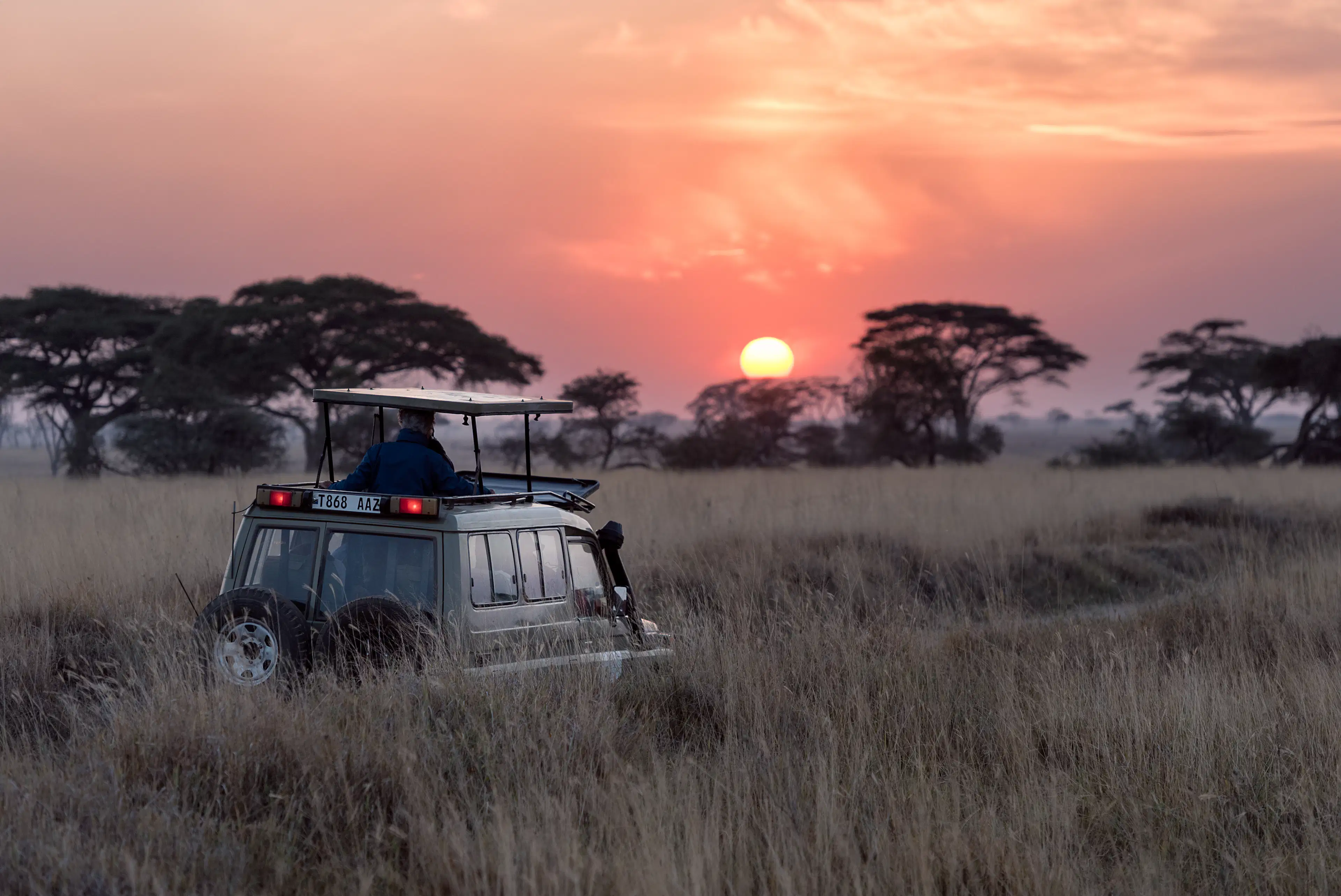 Wildlife
Ride a 4x4 through one of Europe's largest wetlands — marshes, dunes and pine forest that shelter flamingos, deer, wild boar and the rare Iberian lynx.
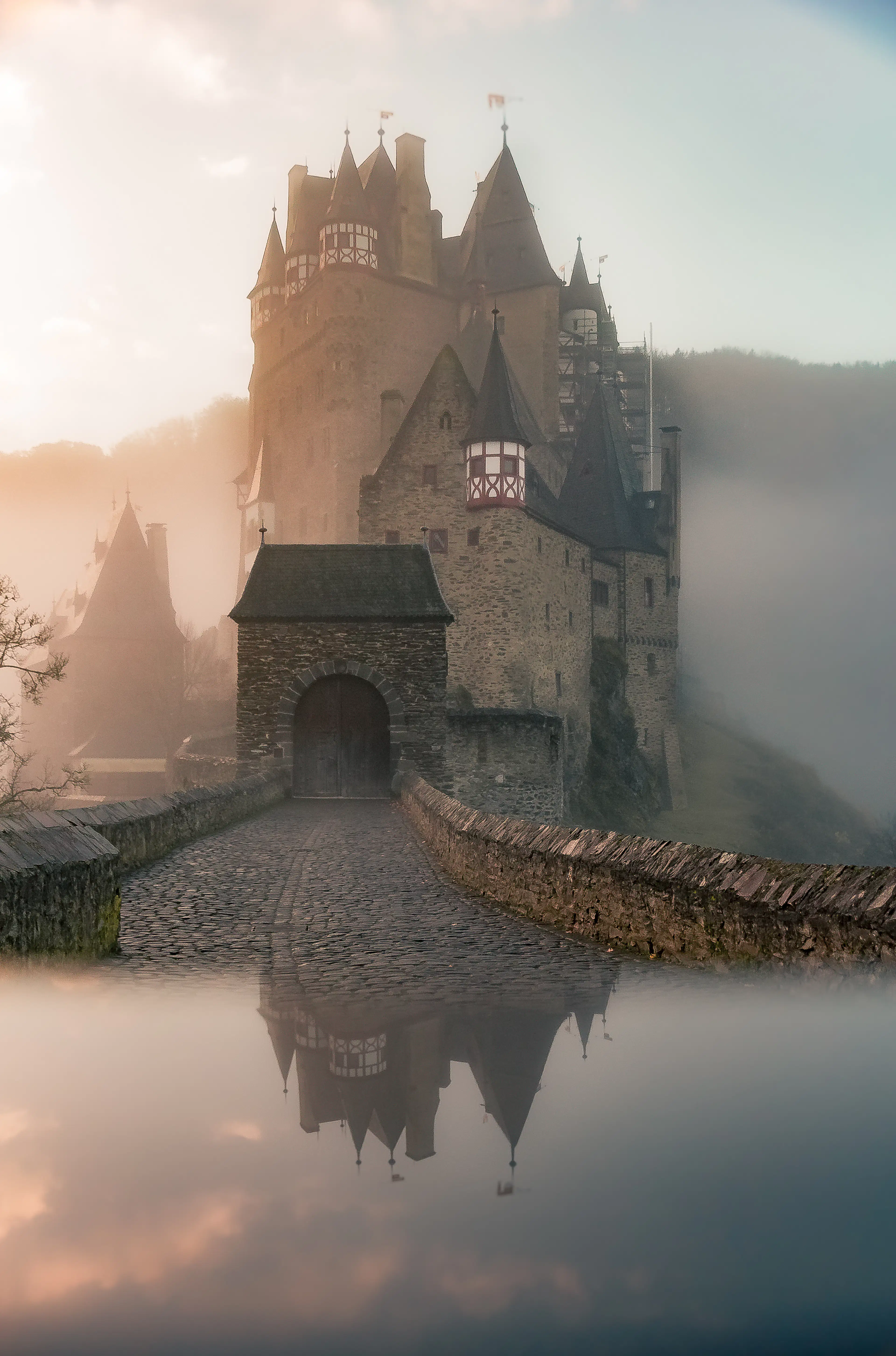 Otherworldly
See the blood-red river and lunar mining landscape NASA studies for its Mars parallels, then ride the restored 19th-century miners' railway.
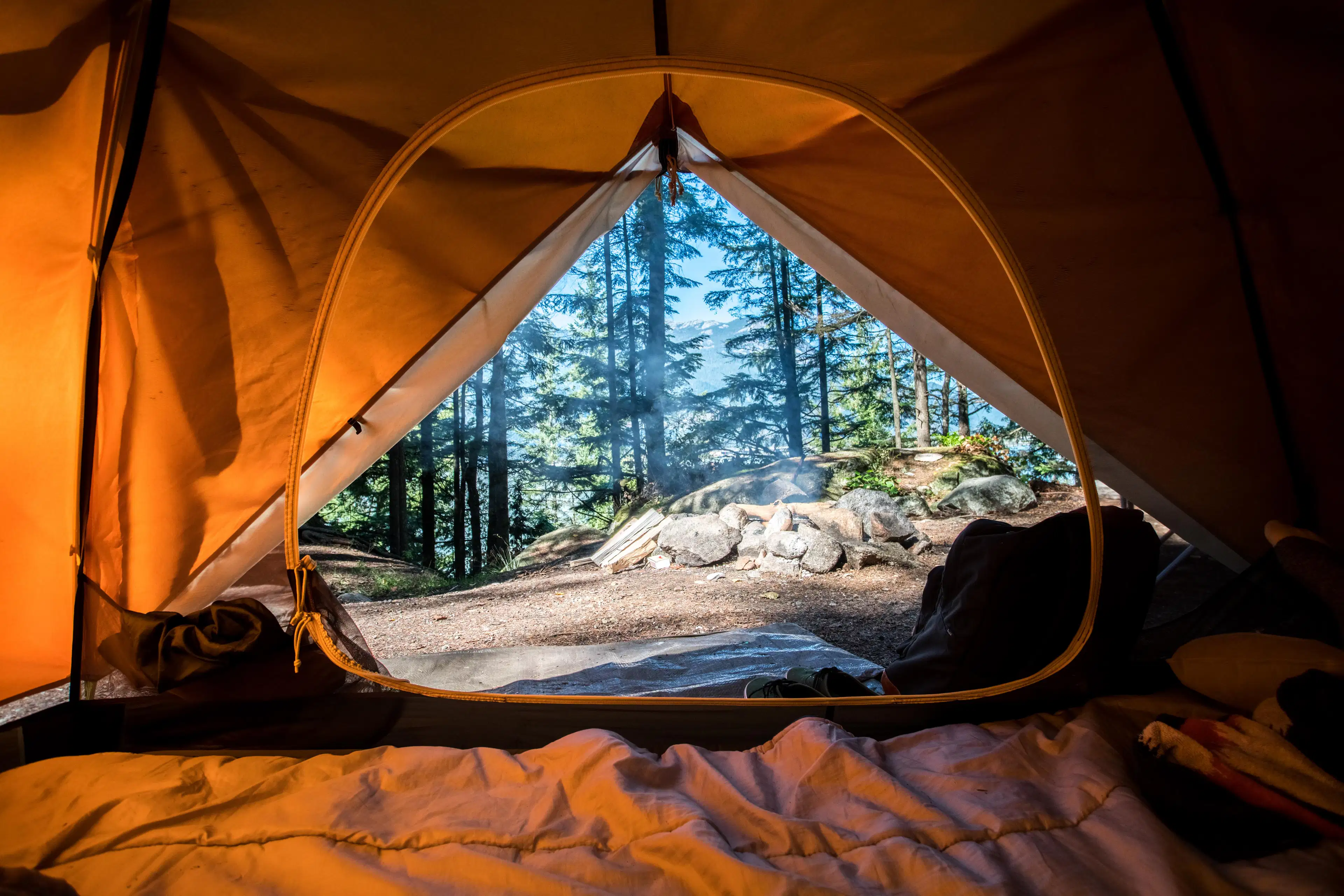 Sierra & Ham
Tour a glittering limestone cave beneath the hilltop castle of Aracena, then taste acorn-fed jamón in the white villages of the Jabugo ham country.
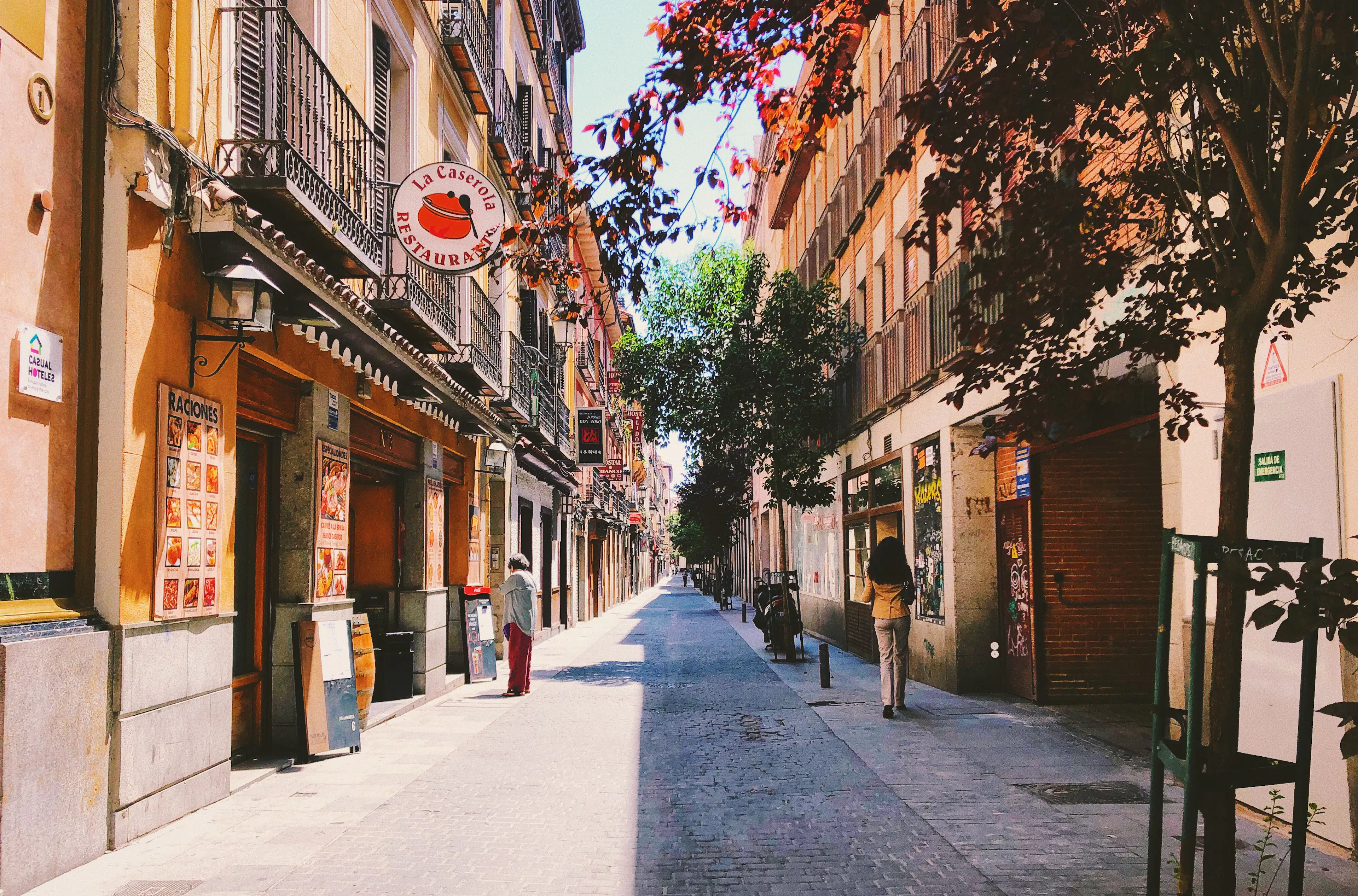 History
Board full-size replicas of the Niña, Pinta and Santa María at the Muelle de las Carabelas, then visit the monastery at La Rábida where Columbus planned his 1492 voyage.
Flight + hotel packages from Canada, starting at
Good to know
Everything Canadian travellers ask before booking
No. Canadians can visit Spain and the Schengen Area visa-free for up to 90 days in any 180-day period with a valid passport. A future ETIAS authorisation may be required — check before you travel.
Huelva has no airport of its own. The closest is Faro (FAO) across the border in Portugal, about 120 km and a 1h15 drive away. Seville (SVQ) is a similar distance to the east and also works.
Reckon on roughly 11–13 hours from Toronto with one connection through a European or Iberian hub such as Lisbon, Madrid or Frankfurt. There are no non-stop flights from Canada to Faro.
Drive the A-22/A-49 motorway across the Guadiana International Bridge — about 1h15. A hire car is the most flexible option, and direct coaches and pre-booked private transfers also run.
Spring (March–May) and early autumn (September–October) offer warm, dry days and manageable crowds. July and August are very hot and busy; winters are mild and quiet.
Spain uses the euro (EUR) and the language is Spanish (Andalusian dialect). English is understood in tourist spots but far less than in bigger cities, so a few Spanish phrases go a long way.
Acorn-fed Jabugo Ibérico ham, sweet gambas blancas (white prawns), Condado wines and strawberries, the Muelle del Tinto pier, and its place in the Columbus story — his 1492 voyage set out from nearby Palos de la Frontera.
Yes — you can add day trips like the Doñana 4x4 safari, the Río Tinto mining park and the Columbus caravels at La Rábida to your booking at checkout.