
In this article
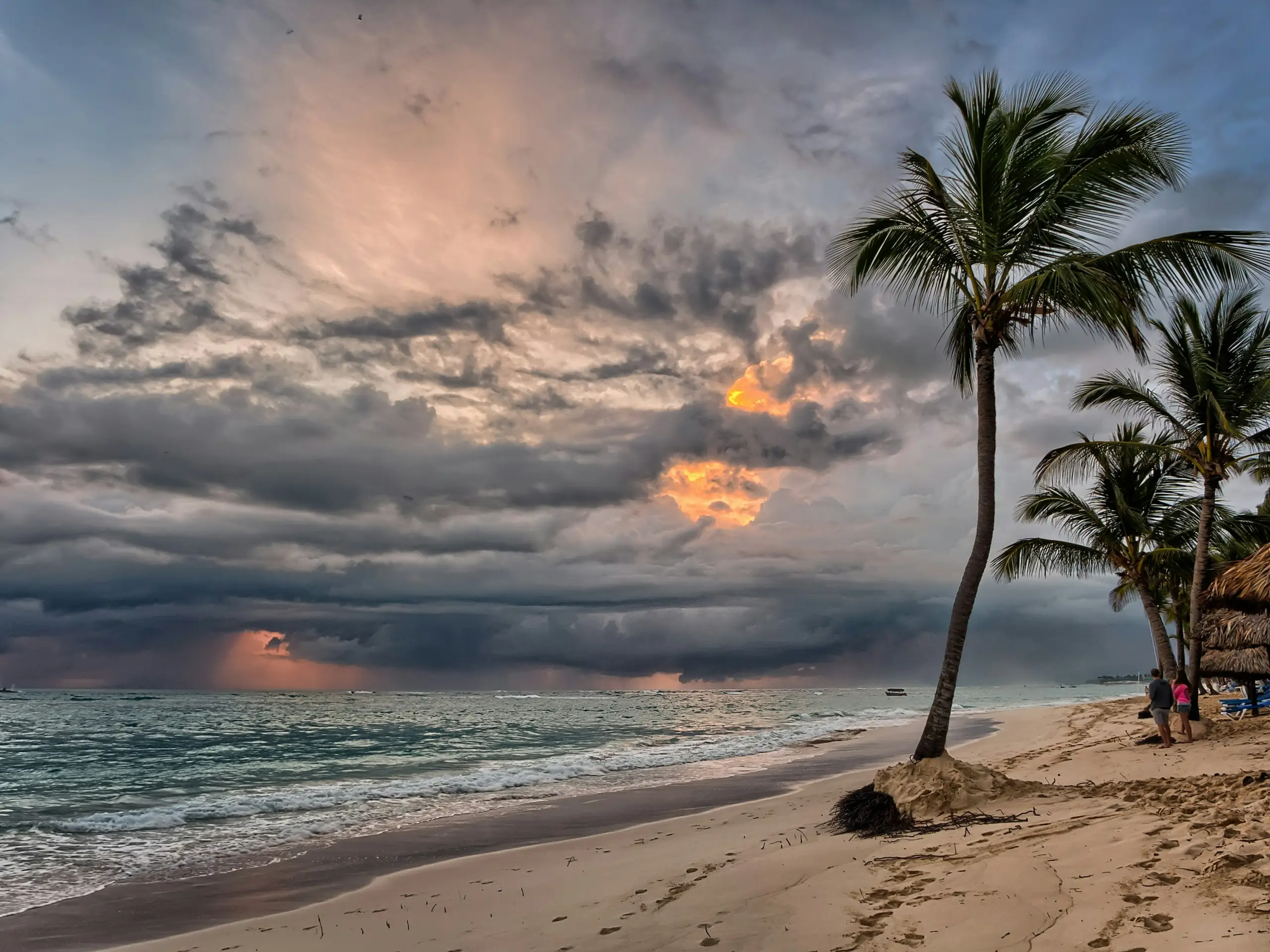
Summer and early fall can mean lower prices for beach holidays, and they also fall inside the Atlantic hurricane season. That does not make travel unwise, but it does mean planning with a bit more flexibility than you would in February. Here is what the official sources say and how to book sensibly.
When is the season?
According to the US National Hurricane Center, the Atlantic hurricane season runs from June 1 to November 30, and that basin includes the Caribbean Sea and the Gulf of Mexico. The Government of Canada's travel advice for Mexico adds that on the Pacific coast the season runs from mid-May to the end of November. Storm activity can happen before and after those dates, and the Hurricane Center notes that the peak is around September 10, with most activity between mid-August and mid-October.
The Hurricane Center's 1991 to 2020 averages put a typical Atlantic season at 14 named storms, 7 hurricanes and 3 major hurricanes. Averages are not a forecast for any one trip, and the Government of Canada points out that even a small tropical storm can develop quickly into a major hurricane, which is why it recommends carefully considering the risks when you plan a coastal trip during the season.
What the Government of Canada advises
If you decide to travel to a coastal area during hurricane season, the advice is to be ready to change your plans on short notice, including cutting short or cancelling your trip, and to stay informed of the latest regional weather. In plain terms: do not lock yourself into anything you cannot change.
A practical checklist
- Read your insurance, not just the price. Before you buy, check what is covered if a named storm or an official warning affects your trip, and when you have to buy the policy for that cover to apply.
- Know your options. Ask what the airline, the resort and the booking terms allow if the destination is under a warning.
- Watch the forecast in the week before you fly, using the official hurricane centre and the Government of Canada advisory for your destination.
- Keep documents together. Passport, insurance details and confirmations should be easy to reach.
- Follow local instructions from the resort and authorities if a storm approaches.
The upside of travelling in the shoulder months
Many of our destination guides describe the wetter months as hot and humid with afternoon showers, fewer crowds and better value. For example, our Riviera Maya guide describes the late-summer months as having the lowest prices and the highest storm risk, and recommends travel insurance. If you prefer a calmer window, the drier winter and spring months are the usual choice.
Pacific and Atlantic coasts are not the same
Mexico has coastlines on two basins, so the dates depend on where you are going. The Atlantic basin, which covers the Caribbean Sea and the Gulf of Mexico, runs from June 1 to November 30. The eastern Pacific basin, which extends from Mexico and Central America westward, runs from May 15 to November 30 according to the Hurricane Center. If you are looking at a Pacific resort area such as Los Cabos or Puerto Vallarta, the season starts a little earlier than it does for the Caribbean side.
Where to get reliable updates
For the Atlantic and eastern Pacific, the US National Hurricane Center publishes forecasts and advisories, and the Canadian Hurricane Centre is linked from the same site. For official travel advice on your destination, use the Government of Canada's travel and advisories page, which is updated as conditions change. Your airline and resort will also communicate directly with you if a storm affects your booking, so make sure your contact details on the booking are current.
Where to start
If you are weighing options, browse our vacation packages and compare departure dates. You can also look at last-minute deals once the forecast looks clear, though availability changes quickly. We are registered with TICO and charge no booking fees, so you can compare without extra costs.
Whatever you choose, this article is a guide, not a forecast. Check official sources close to your departure date.
Frequently asked questions
When is Atlantic hurricane season?
The US National Hurricane Center lists the Atlantic season as June 1 to November 30, including the Caribbean Sea and the Gulf of Mexico. Storms can occasionally form before or after those dates.
Does hurricane season mean I should not travel?
Not necessarily, but you should plan for flexibility. The Government of Canada advises being prepared to change or cancel plans on short notice if you travel to a coastal area during the season.
Is travel insurance worth it for a trip in hurricane season?
Many travellers choose it. Read the policy carefully for what is covered if a storm or warning affects your trip, and check when you need to buy it for that cover to apply.
- hurricane season
- Caribbean
- Mexico
- travel insurance
- shoulder season