 Flight + Hotel
 Flights
 Cars
 Cruises
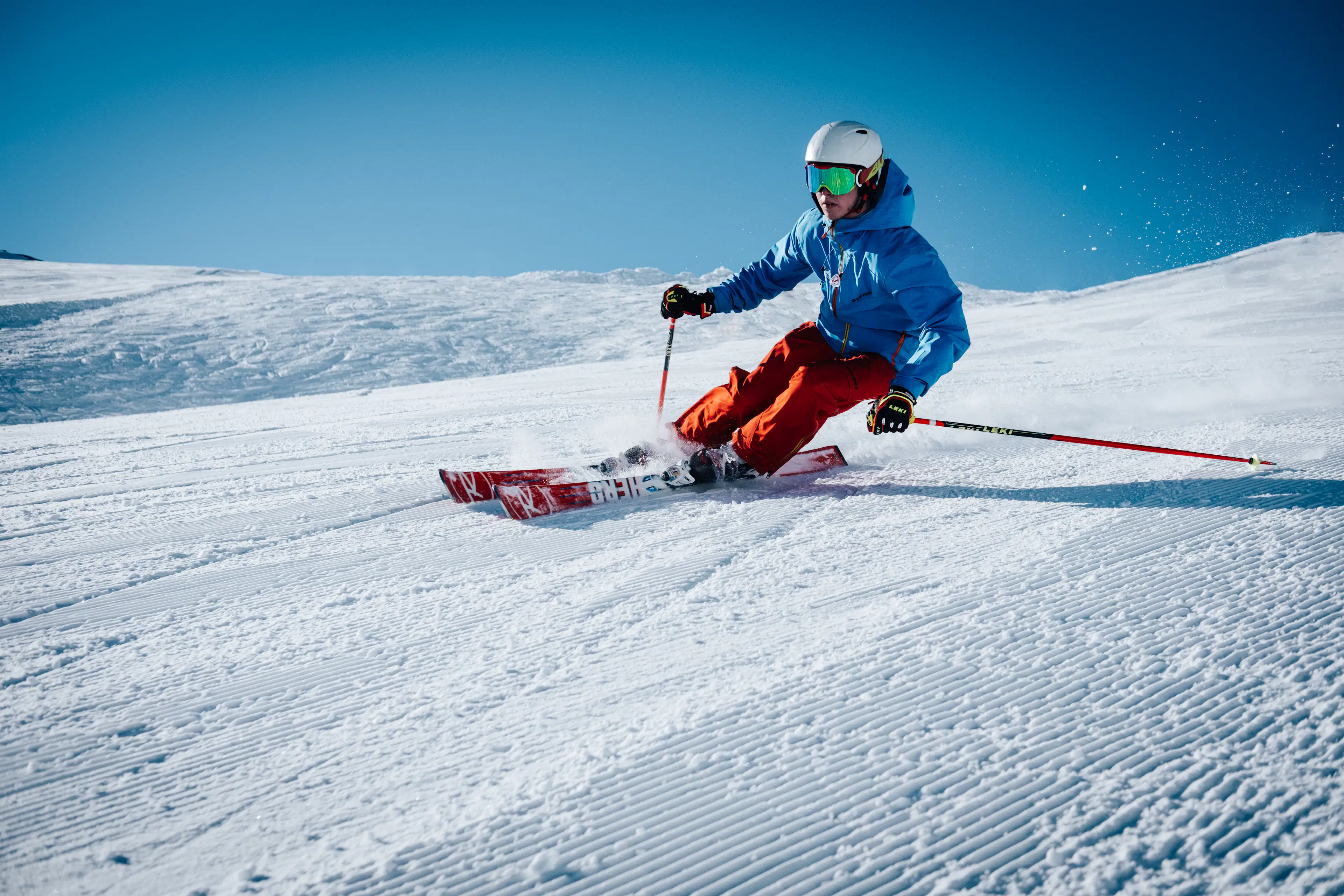 On the slopes
Mount Washington Alpine Resort
Vancouver Island's alpine hill delivers deep coastal snow, groomed runs, and Nordic trails on a day trip from the coast.


Winter storm-watching & Vancouver Island alpine · Flights from Vancouver

 Earn
 on every booking
Flight + Hotel · Winter Coast & Alpine
Flight-and-hotel escapes to a retro Cox Bay base, with storm-watching and Vancouver Island alpine days
View all packagesNo deals from Vancouver right now
Try another departure city, or check back soon.
At a glance
Tofino sits at the wild western edge of Vancouver Island, where the Mackenzie Range drops through old-growth rainforest to the open Pacific. Winter is the signature season here: massive swells make it Canada's storm-watching capital, while higher in the island's interior, Mount Washington and Strathcona's peaks pick up deep snow. Base yourself on Cox Bay and pair fireside coast days with alpine and geothermal-hot-springs escapes.
Climate
2–9°C · storms & alpine snow
Mild, wet, and dramatic at sea level; genuine snow builds on Vancouver Island's peaks.
Currency
Canadian Dollar
Cards accepted everywhere; carry some cash for small boat operators
Entry
Domestic
No passport needed for Canadian residents
On the slopesVancouver Island's alpine hill delivers deep coastal snow, groomed runs, and Nordic trails on a day trip from the coast.
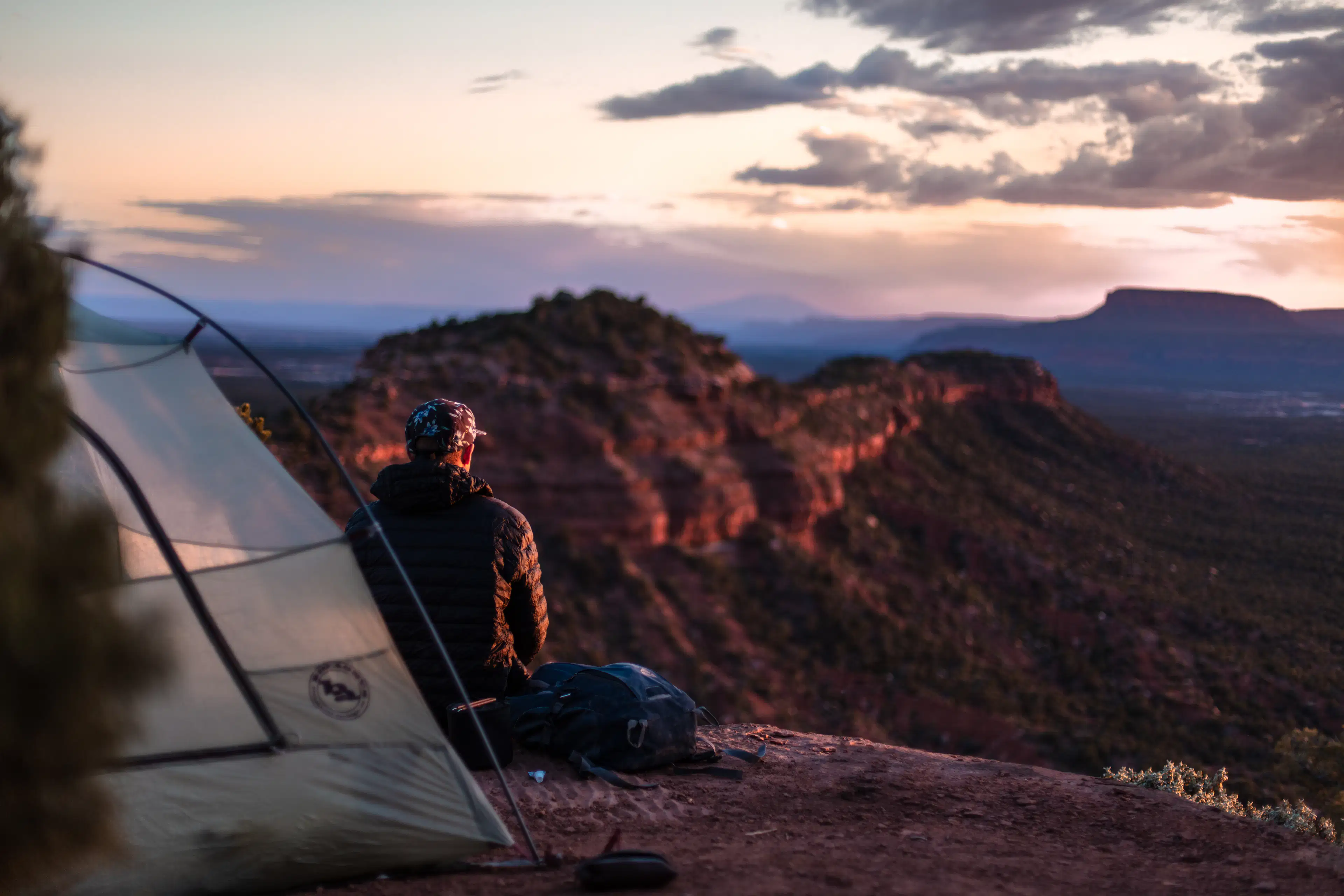 Geothermal soak
Ride a boat or floatplane up the coast to steaming natural pools that tumble to the sea through the rainforest.
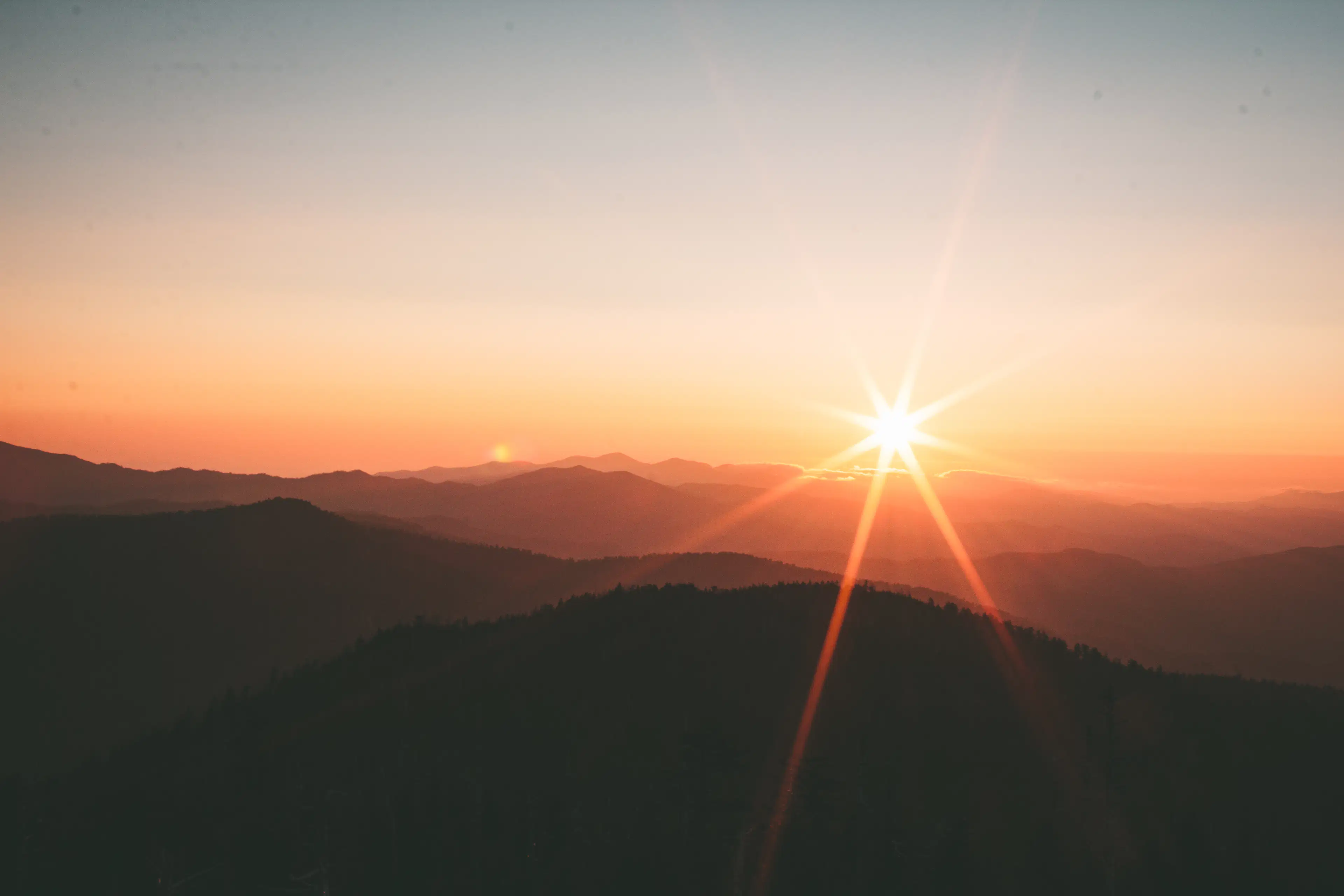 Front-row Pacific
Watch six-metre swells hammer Cox and Chesterman beaches, then warm up fireside — Tofino's signature winter show.
ID & travel: Tofino is a domestic trip — Canadian residents need only government-issued photo ID to fly to YAZ. Bring a passport only if arriving from abroad.
Layers & waterproofs: You'll move from a wet, mild rainforest coast to genuine alpine cold in a single day. Pack waterproof shells, warm mid-layers, and grippy footwear.
Getting there: Fly YVR–YAZ in about 50 minutes, or drive Highway 4 across the island (allow winter driving time and check conditions).
Ski & park access: Buy Mount Washington lift tickets in advance on peak weekends; a BC Parks day-use pass covers Strathcona and Pacific Rim trailheads.
Time zone: Tofino runs on Pacific Time (PST) — same as Vancouver, three hours behind Toronto.
Biggest swells for storm watching and the deepest alpine snow on the island's peaks.
Longer days, softening slopes, and quieter beaches — a sweet spot for alpine-and-coast trips.
Snow lingers up high while the coast greens up; good value before summer crowds.
Warm, dry, and busy — hiking, whale watching, and calm-water paddling replace storms.
Where to stay
Choose between the walkable town, the surf-and-storm beach base, the nearby harbour town, or the wild national-park shoreline. Here's how they compare in winter.
Town centre
The compact harbour town on Campbell Street — cafés, breweries, gear shops, and boat docks for hot-springs and wildlife trips.
Beach base
The big-surf crescent where you'll base for storm watching, with beachfront lodges and quick highway access to day trips.
Nearby town
Tofino's laid-back neighbour 40 minutes south, home to the Wild Pacific Trail and lower winter rates.
National park
The protected shoreline and rainforest between the towns — Radar Hill views, old-growth boardwalks, and empty winter sands.
Beyond the base
Pair coast days with alpine snow, geothermal hot springs, and old-growth forest. Every excursion below can be booked through ShopTravel or your hotel desk.
AlpineTrade the coast for real snow at the island's alpine resort — lifts, groomers, and Nordic trails above Strathcona Park.
GeothermalCruise the wild outer coast to a boardwalk trail leading to steaming natural pools that spill toward the sea.
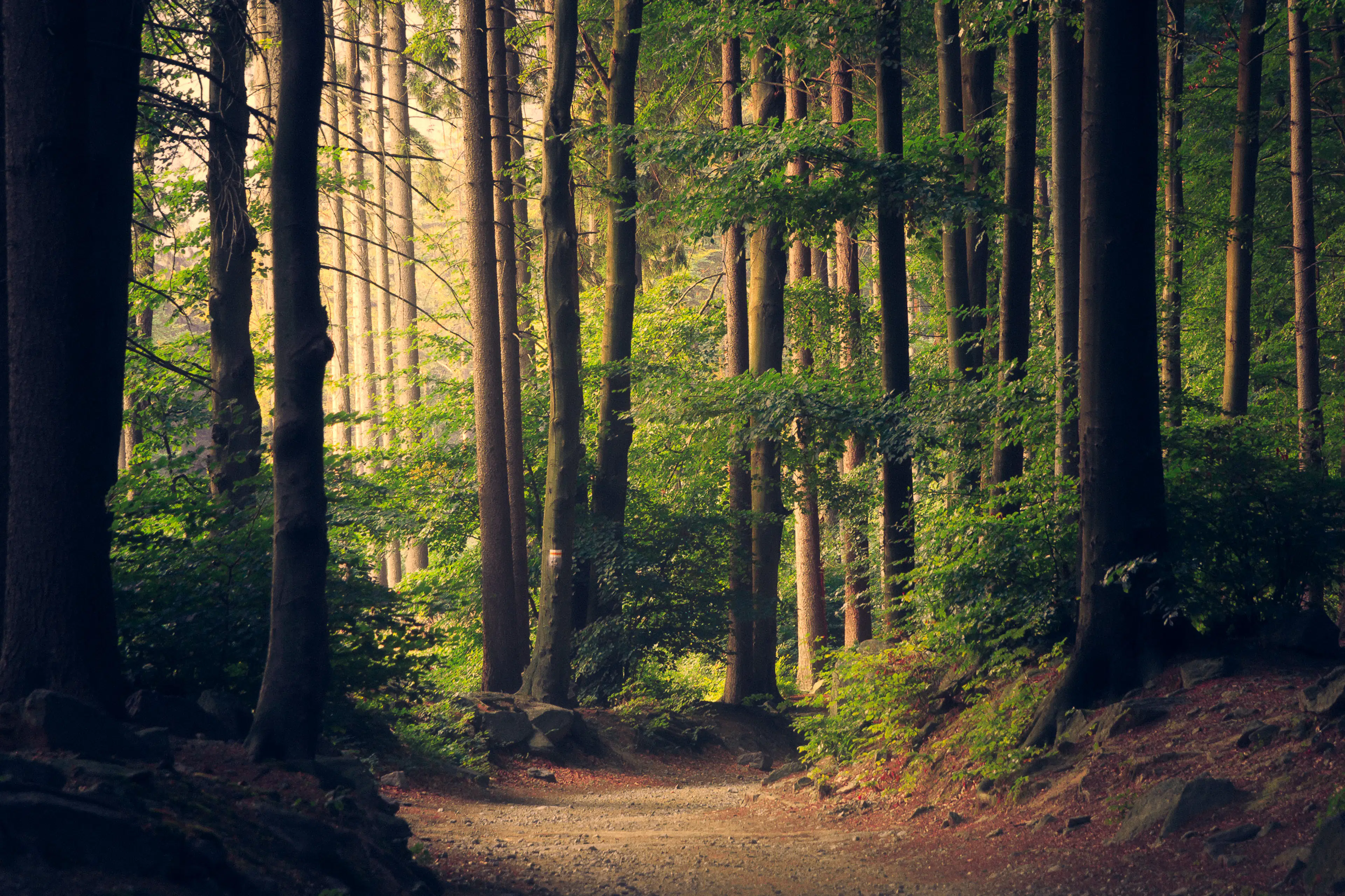 Old-Growth
Cross the harbour to a boardwalk through ancient red cedars — snowshoe-ready when a rare coastal dusting falls.
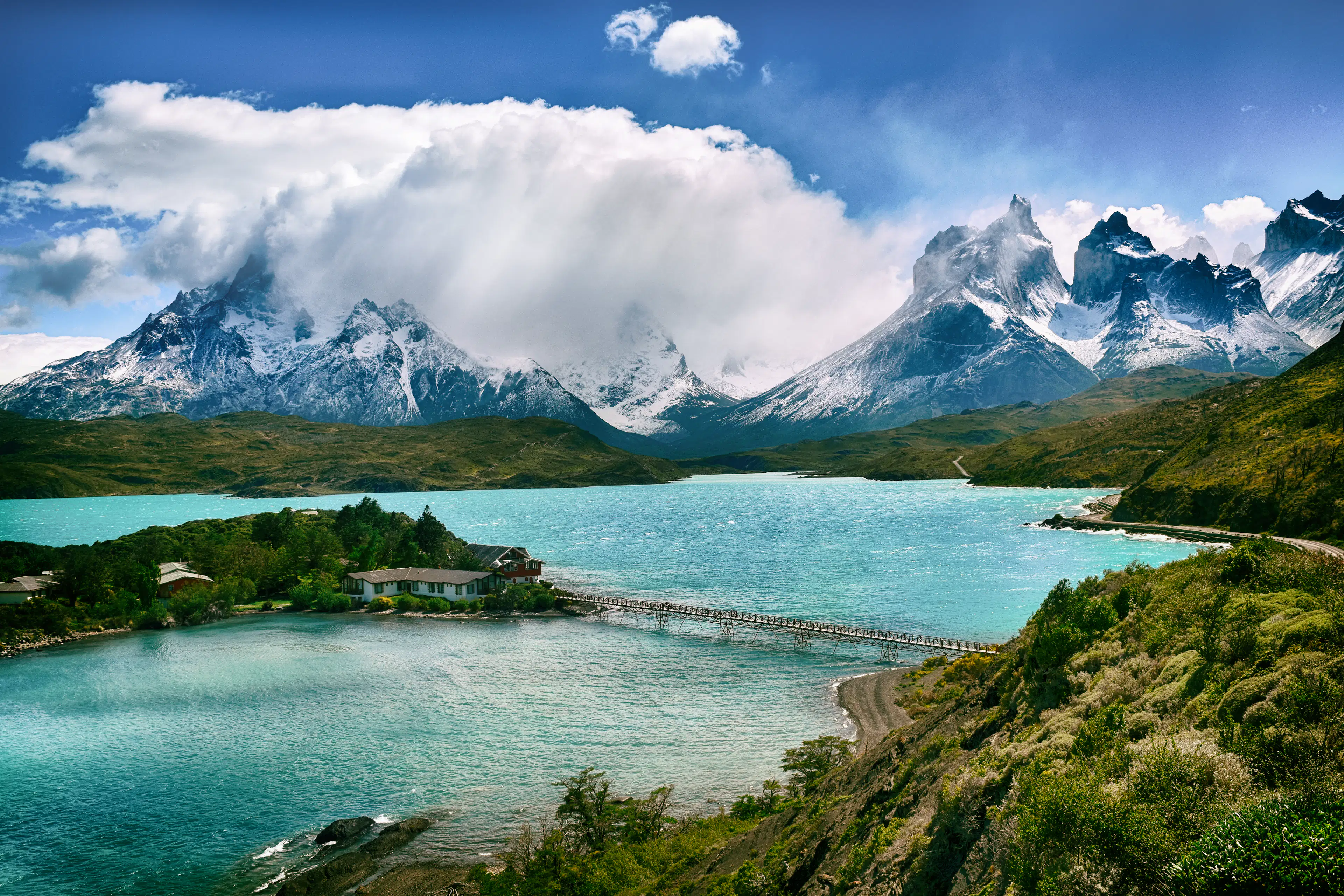 Scenic
Climb to the Radar Hill lookout for snow-dusted mountain-and-ocean views, then walk the empty winter beaches below.
Flight-and-hotel packages from Vancouver, starting at
Good to know
Everything Canadian travellers ask before booking
No. Tofino is a domestic trip in British Columbia — Canadian residents need only government-issued photo ID to fly. Bring a passport only if you're arriving from outside Canada.
Fly YVR to Tofino–Long Beach Airport (YAZ) in about 50 minutes on a regional turboprop, or drive across Vancouver Island on Highway 4 (allow extra time in winter).
November to February is peak for storm watching and the deepest alpine snow; March–April adds spring skiing with longer days. Summer is drier and busier for hiking and whale watching.
Not in town — Tofino is at sea level. The nearest alpine skiing is Mount Washington Alpine Resort in central Vancouver Island, reachable as a long day trip; higher peaks in Strathcona Park hold snow through winter.
From roughly November to February, Pacific low-pressure systems drive huge swells onto beaches like Cox and Chesterman. Watching the waves crash from a sheltered lodge or bundled up on the sand is Tofino's signature winter activity.
Waterproof shell, warm insulating mid-layers, a toque and gloves, and grippy waterproof footwear. You may go from mild coastal rain to genuine alpine cold in the same day.
If you're travelling from another province, travel/medical insurance is recommended to cover gaps and trip disruptions. It's optional for BC residents but still worth considering for winter weather delays.
Yes — you can add trips like the Mount Washington ski day and Hot Springs Cove boat-and-soak to your booking at checkout.