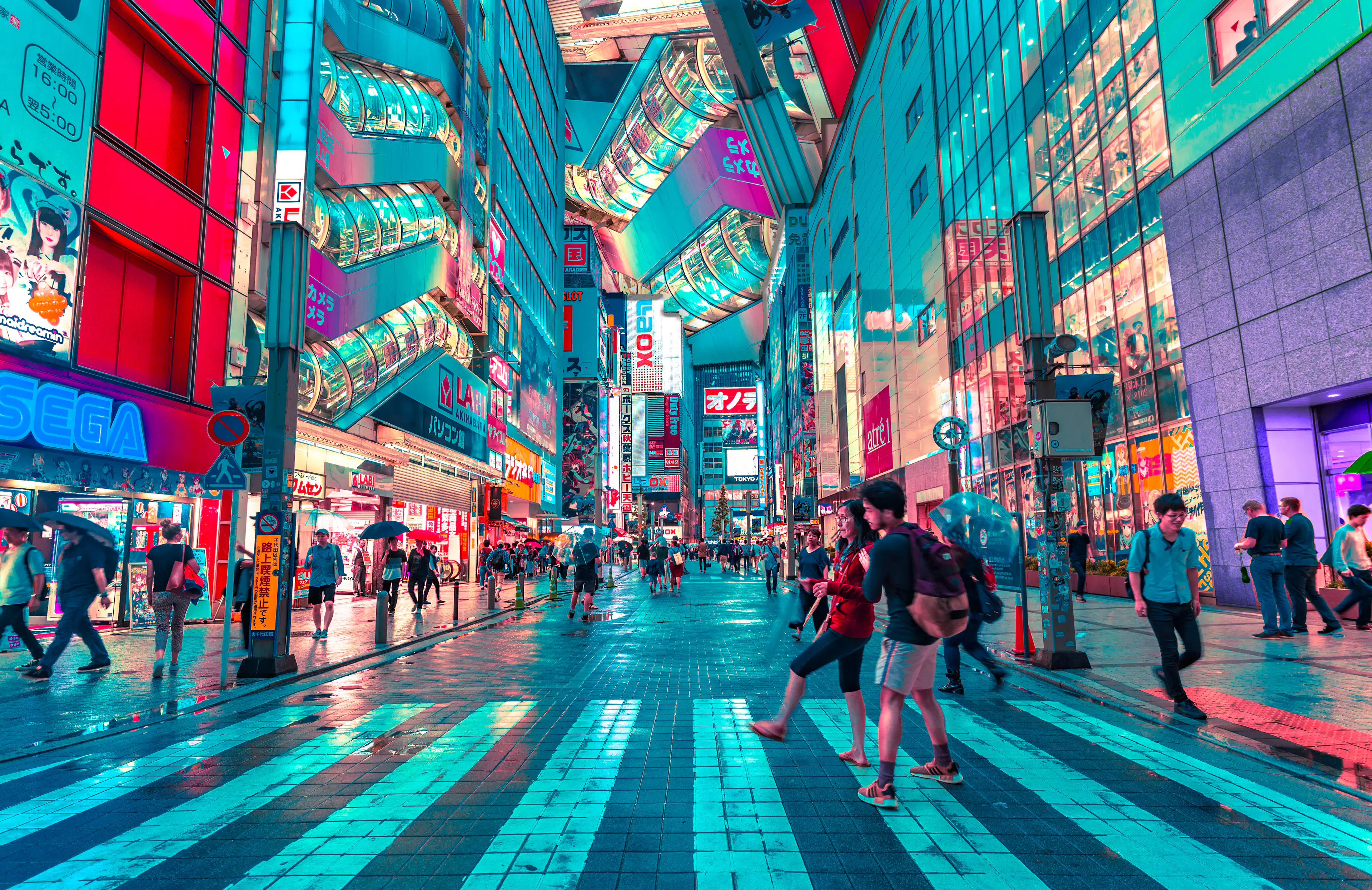
 Cities
Tokyo, Kyoto & Osaka
Mega-city Tokyo, the temples and geisha streets of Kyoto, and Osaka's legendary street food.

Flight + Hotel & Guided Tours · 11 cities & regions · Flights from Canada
Destination
At a glance
From the neon energy of Tokyo to the temples of Kyoto, the food streets of Osaka and the snow country of Hokkaido, Japan blends ancient tradition with bullet-train modernity. Cherry blossom in spring and fiery maple colours in autumn are the signature seasons, and the JR Pass makes the whole country easy to explore.
Climate
Four seasons; spring & autumn best
Cherry blossom in late Mar–Apr, fiery autumn colours in Nov, hot humid summers and snowy northern winters.
Currency
Japanese Yen
1 CAD ≈ 110 JPY · IC transit cards widely used
Entry
Visa-free
Short tourist stays for Canadians
Time zone
JST (13–14h ahead of Toronto)
CitiesMega-city Tokyo, the temples and geisha streets of Kyoto, and Osaka's legendary street food.
 Bullet trains
Glide between cities at 300 km/h — the JR Pass makes hopping across Japan simple and fast.
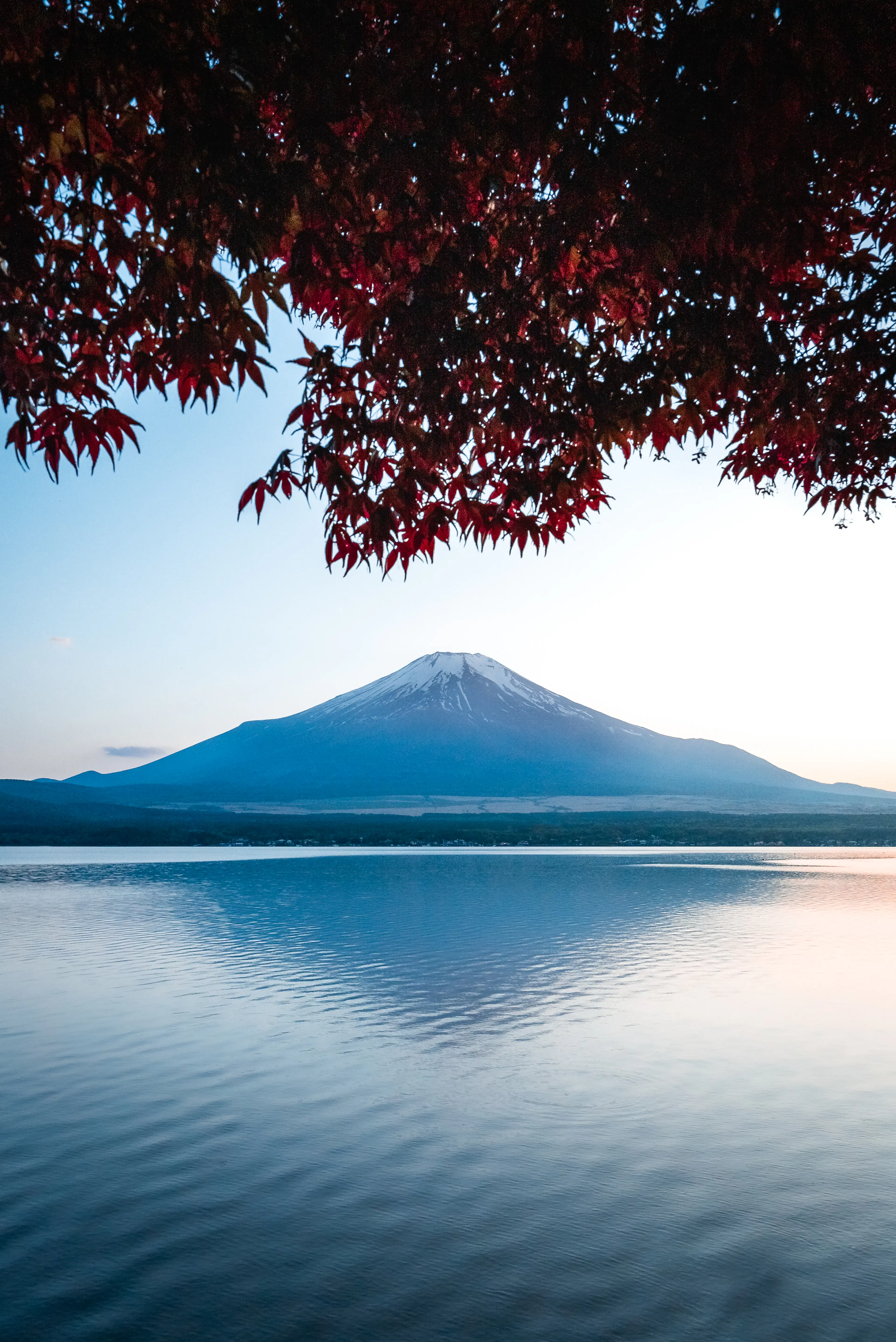
 Ryokan & onsen
Soak in an onsen and stay in a traditional ryokan in Hakone beneath the slopes of Mt Fuji.
Passport: A valid Canadian passport is all you need — Japan is visa-free for short tourist stays.
Getting around: The Shinkansen bullet trains link the major cities; a JR Pass can be great value for multi-city trips. IC cards (Suica/ICOCA/PASMO) tap on to local trains and buses.
Travel insurance: Provincial health plans don't cover medical care in Japan. Comprehensive travel insurance is essential.
Power & plugs: Japan uses 100V with Type A/B plugs — Canadian plugs fit, though the voltage is slightly lower.
Money: The Japanese Yen (¥). Cash is still common, so carry some; IC cards and credit cards are widely accepted in cities.
Time zone: Japan runs on Japan Standard Time (JST) — about 13–14 hours ahead of Toronto.
Sakura in bloom — the most beautiful and busiest time. Book far ahead.
Fiery maple foliage across temples, gardens and mountains. Peak demand.
Mild, comfortable weather with fewer crowds and better value.
Humid summers with the June rainy season. Cheaper but sticky — great for Hokkaido and beaches.
Where to stay
Japan's regions each have a distinct character — here's how to choose the right base for your trip.
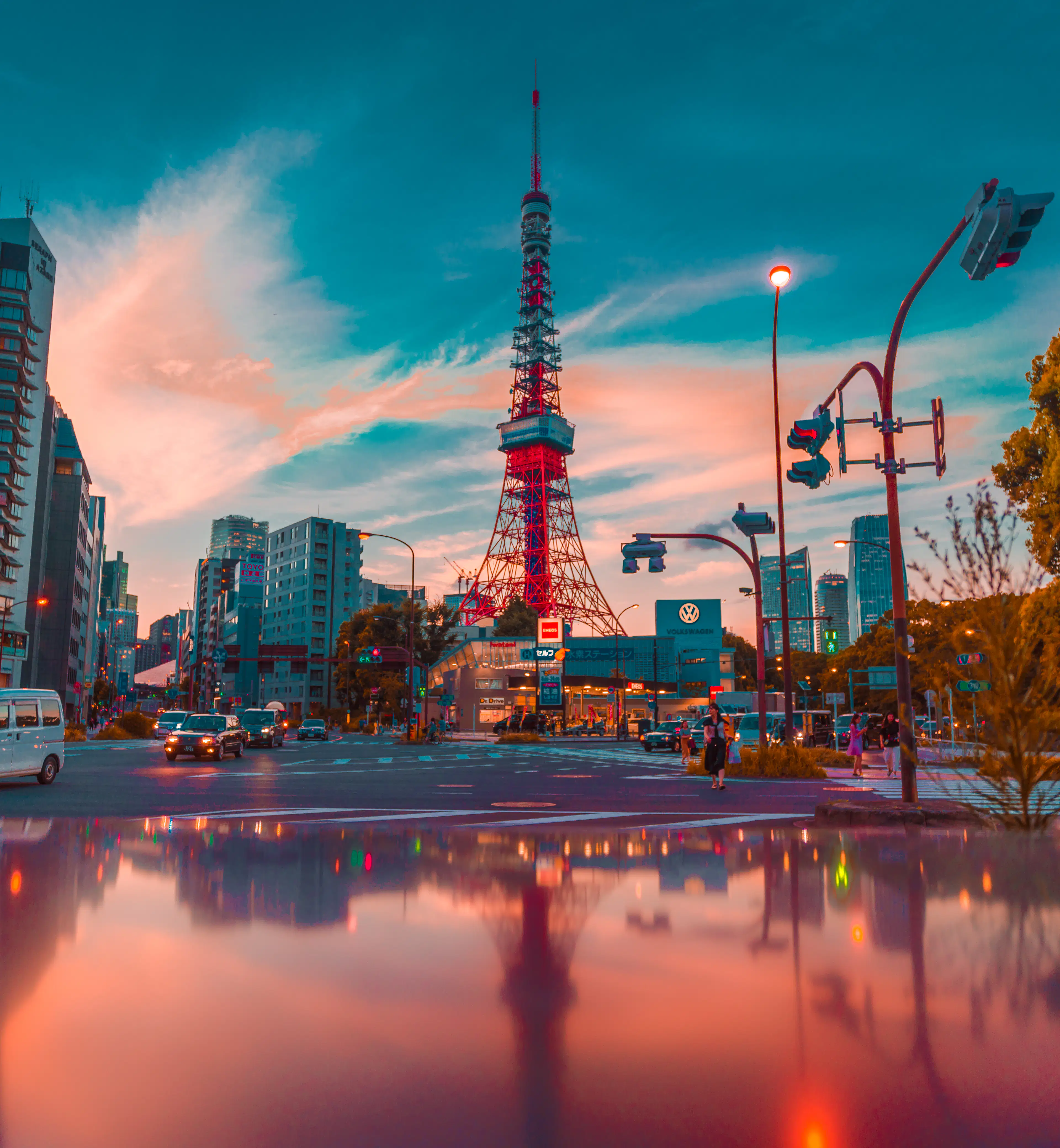
Tokyo · Hakone · Mt Fuji
Japan's capital region — neon districts, world-class dining, and easy escapes to Hakone's onsen and Mt Fuji.
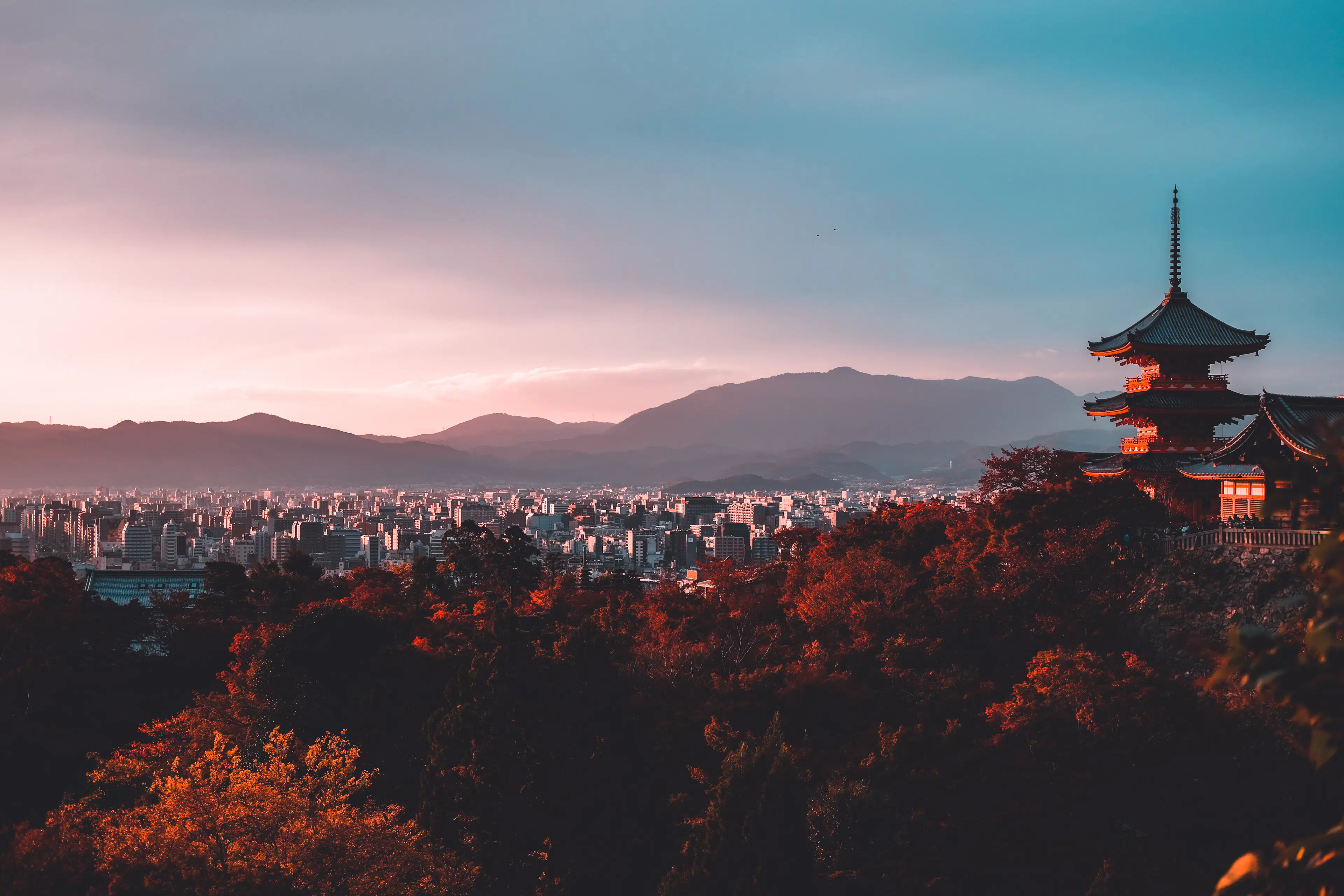
Kyoto · Osaka · Nara
The historic heart of Japan — Kyoto's temples, Osaka's street food and the deer and Great Buddha of Nara.
Sapporo · Niseko
Japan's northern island — powder snow and skiing in winter, wildflowers and cool escapes in summer.
Fukuoka · Beppu
The southwestern island known for hot-spring towns, volcanoes, ramen and a warmer climate.
Naha · Southern islands
Japan's tropical south — white-sand beaches, coral reefs and a distinct Ryukyu island culture.
Compare live packages and guided tours with flights from Toronto, Montreal, Calgary & Vancouver.
Good to know
Everything Canadian travellers ask before booking
No. Canadians can visit Japan visa-free for short tourist stays with a valid passport.
Air Canada flies Toronto (YYZ) nonstop to Tokyo (HND/NRT) in about 13 hours. Other cities are reached with a short domestic connection or by Shinkansen bullet train from Tokyo.
Late March to April for cherry blossom and November for autumn colours are the most beautiful — and busiest. May and October offer great weather with fewer crowds.
The Shinkansen bullet trains connect the major cities, and a Japan Rail (JR) Pass can be great value for multi-city trips. In cities, tap an IC card (Suica/ICOCA/PASMO) on to local trains and buses.
The Japanese Yen (¥). Cash is still common, so carry some, though IC cards and credit cards are widely accepted in cities.
Yes — it's strongly recommended. Provincial health plans don't cover medical care in Japan, which can be costly.