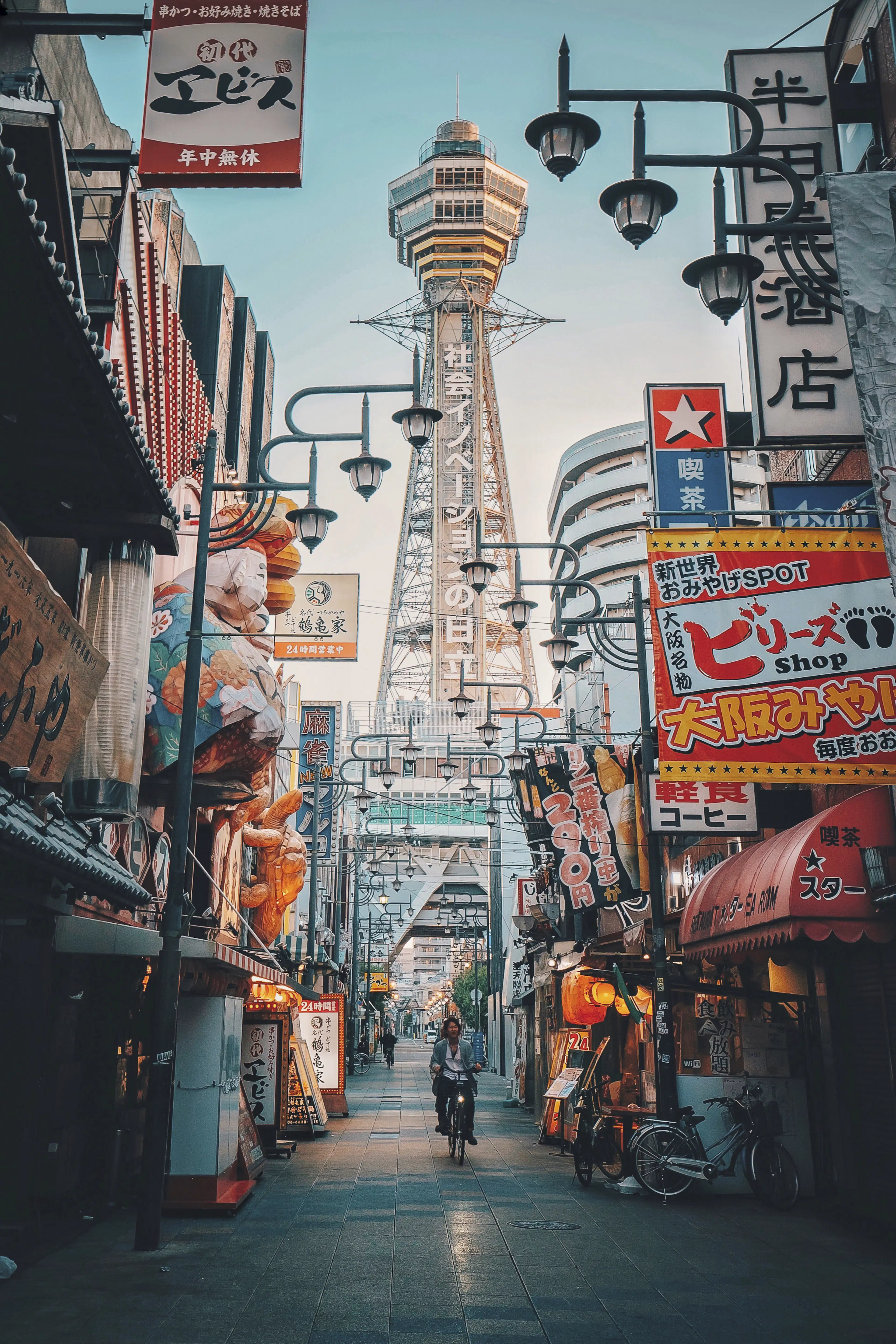
 Ryukyu Heritage
Shuri Castle
The vermilion palace of the former Ryukyu Kingdom, a UNESCO World Heritage site now being lovingly rebuilt after the 2019 fire.

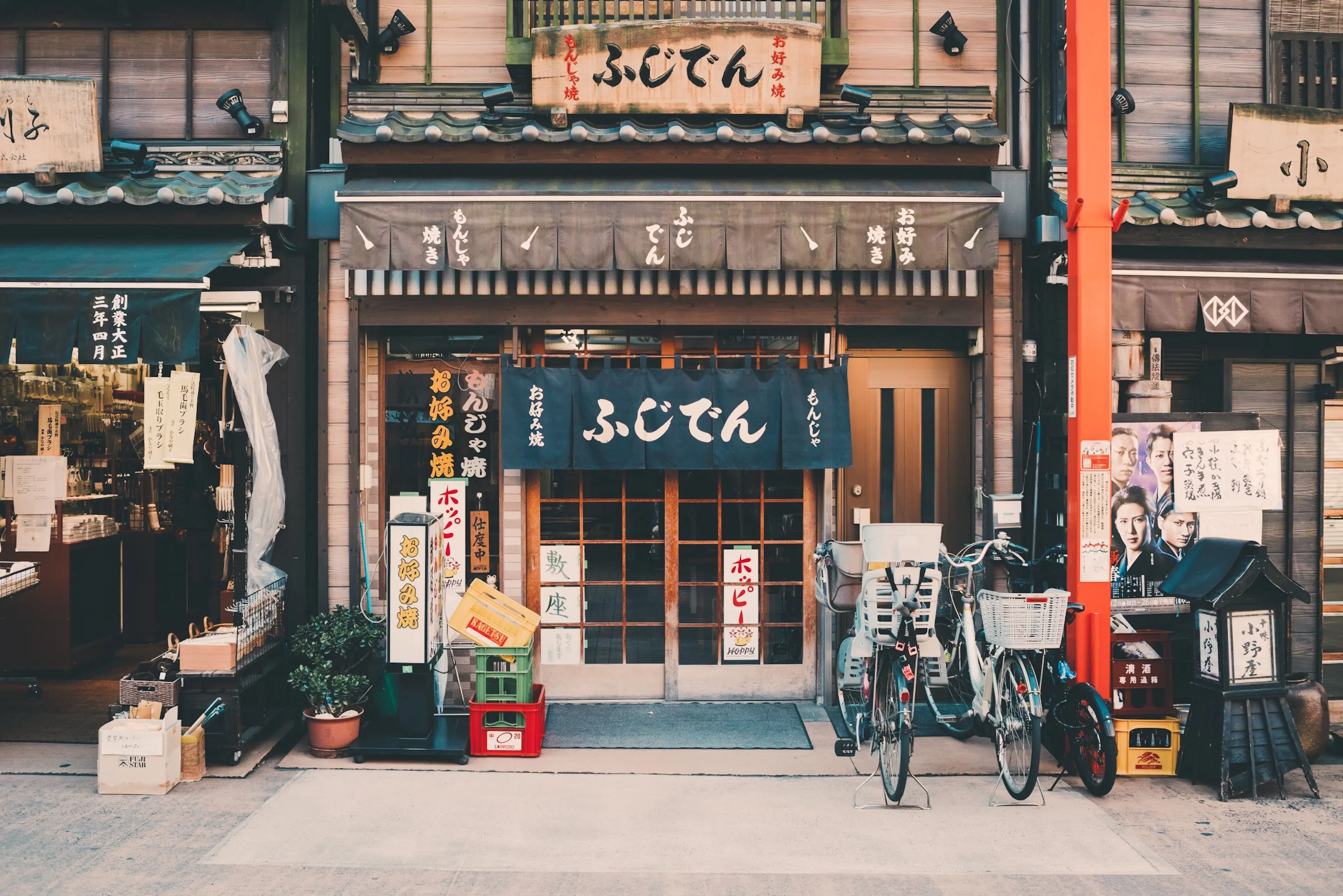
Flight + hotel · Subtropical beaches, coral reefs & Ryukyu culture · Guided & independent tours
Destination
At a glance
Capital of Japan's southern Ryukyu Islands, Naha is the sun-warmed gateway to subtropical Okinawa — a world away from mainland Japan, with turquoise seas, coral reefs, its own Ryukyu Kingdom heritage and a laid-back island pace. Land at Naha Airport (OKA), stroll the shops and izakaya of Kokusai-dori, then base yourself here for beach days, world-class diving and ferry hops out to the Kerama Islands.
Climate
Subtropical; warm year-round, typhoons late summer
Balmy winters (17–20°C) and hot, humid summers. Best beach weather April–June and October; typhoons possible Aug–Sep.
Currency
Japanese Yen
1 CAD ≈ 110 JPY · IC transit cards widely used
Entry
Visa-free
Short stays for Canadians
Ryukyu HeritageThe vermilion palace of the former Ryukyu Kingdom, a UNESCO World Heritage site now being lovingly rebuilt after the 2019 fire.
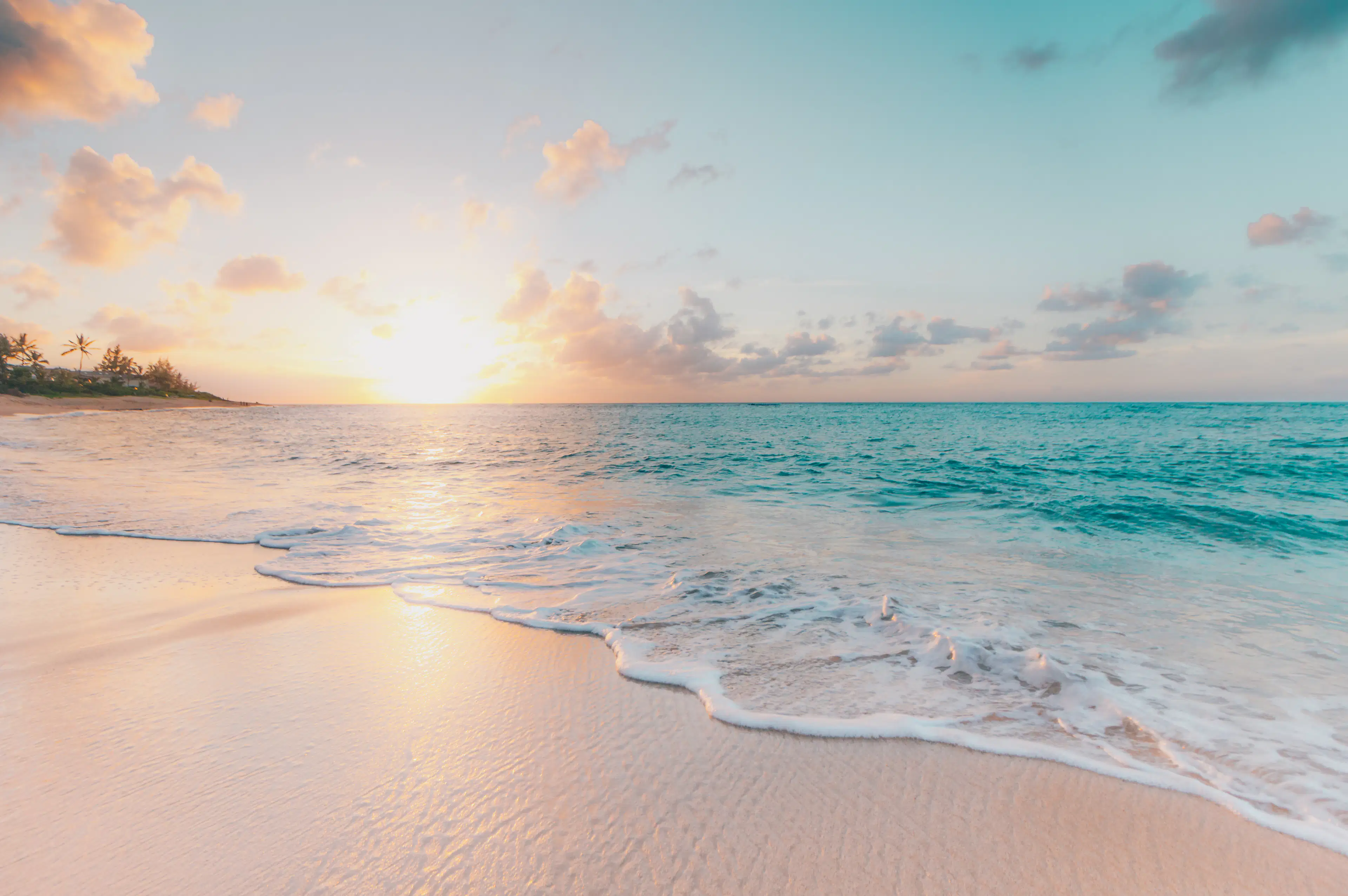 Underwater
Snorkel the glowing Blue Cave and dive the coral gardens of the Kerama Islands, famed for some of the clearest water in Asia.
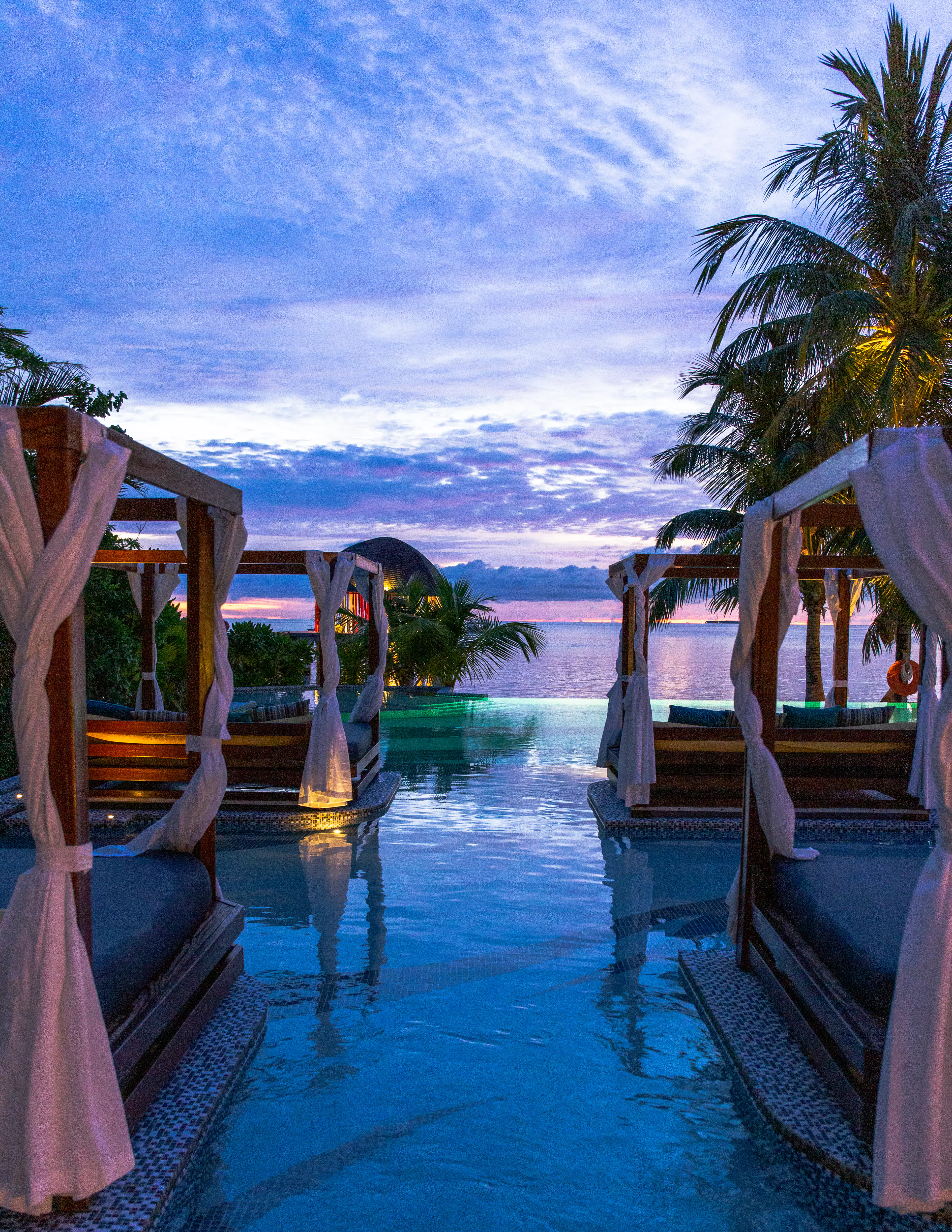 Marine Life
Watch whale sharks and manta rays glide through one of the world's largest aquarium tanks on the island's north coast.
Passport: A valid Canadian passport is all you need — Japan, including Okinawa, is visa-free for short tourist stays.
Getting to Naha: Fly into Tokyo (HND or NRT), then connect on a ~2.5-hour domestic flight south to Naha (OKA). The Yui Rail monorail links the airport to downtown in minutes.
Transit & IC cards: Naha's Yui Rail monorail covers the city; buses and rental cars reach the beaches and north. An OKICA or Suica IC card taps you on to transit and shops.
Travel insurance: Provincial health plans don't cover medical care in Japan. Comprehensive travel insurance is essential, especially if you plan to dive.
Power & plugs: Japan uses 100V with Type A/B plugs — Canadian plugs fit, though the voltage is slightly lower.
Time zone: Okinawa runs on Japan Standard Time (JST) — about 13–14 hours ahead of Toronto.
Warm seas, sunshine and reef visibility before the rains — prime diving and beach weather.
Still warm and swimmable with fewer crowds after typhoon season eases.
Balmy 17–20°C — great for sightseeing and whale watching, cooler for swimming.
Hottest, most humid months with the highest typhoon risk and possible flight disruption.
Where to stay
Okinawa splits between lively central Naha and the resort-lined coasts to the north. Here's how to choose your base.
City centre
Naha's mile-long International Street, buzzing with shops, izakaya and the Makishi Public Market, all on the Yui Rail monorail.
Naha beachfront
Naha's own sandy beach beside the clifftop Naminoue Shrine — a quick escape to the water without leaving the city.
Central resort belt
Okinawa's resort coast around Cape Manzamo, lined with beachfront hotels, dive centres and the Blue Cave.
Naha harbour
The ferry hub for day trips and stays on the Kerama Islands, with dive shops and casual seafood spots at the dock.
Beyond the city
Naha is the perfect base for exploring Okinawa's reefs, sacred sites and outer islands. Every tour below can be booked through ShopTravel or your hotel concierge.
Day TripCruise from Tomari Port to the Kerama Islands for snorkelling over coral reefs in the crystal-clear 'Kerama Blue' waters.
Day TripRide up the coast to the famous Churaumi Aquarium to see whale sharks, then stop at Cape Manzamo's elephant-trunk cliffs.
AdventureSnorkel or dive the glowing Blue Cave near Cape Maeda, where sunlight turns the water an electric shade of blue.
CultureExplore the Ryukyu Kingdom's Shuri Castle, then visit the sacred forest grove of Sefa-utaki with a local guide.
Flight + hotel packages with connecting flights from Canada, starting at
Good to know
Everything Canadian travellers ask before booking
No. Canadians can visit Japan, including Okinawa, visa-free for short tourist stays with a valid passport.
There are no nonstop flights. Expect roughly 17 hours or more total, connecting through Tokyo (HND or NRT), then a domestic flight of about 2.5 hours south to Naha (OKA).
April to June and October to November offer warm seas, sunshine and the best diving. Winters are mild but cooler for swimming. Avoid August–September, the peak typhoon season.
Naha has the Yui Rail monorail and buses, but a rental car is the easiest way to reach the beaches, resorts and north-coast sights. Ferries from Tomari Port serve the outer islands.
The Japanese Yen (¥). Cash is still common on the islands, though IC cards and credit cards are widely accepted in Naha.
Yes — it's strongly recommended. Provincial health plans don't cover medical care in Japan, and it's especially important if you plan to dive or snorkel.
The Kerama Islands for snorkelling, the Churaumi Aquarium and Cape Manzamo up north, and the Blue Cave for diving all make excellent day trips.
Yes, you can add guided tours and day trips like the Kerama snorkel cruise or Churaumi Aquarium to your trip at checkout.