 Flight + Hotel
 Flights
 Cars
 Cruises
Room Only
Fort de France
Martinique
Residence Kaouanne
44 star hotel
- 7 nights
- Comfort Apartment
- Flights incl.
FromCA $1,529/ person · incl taxes & fees

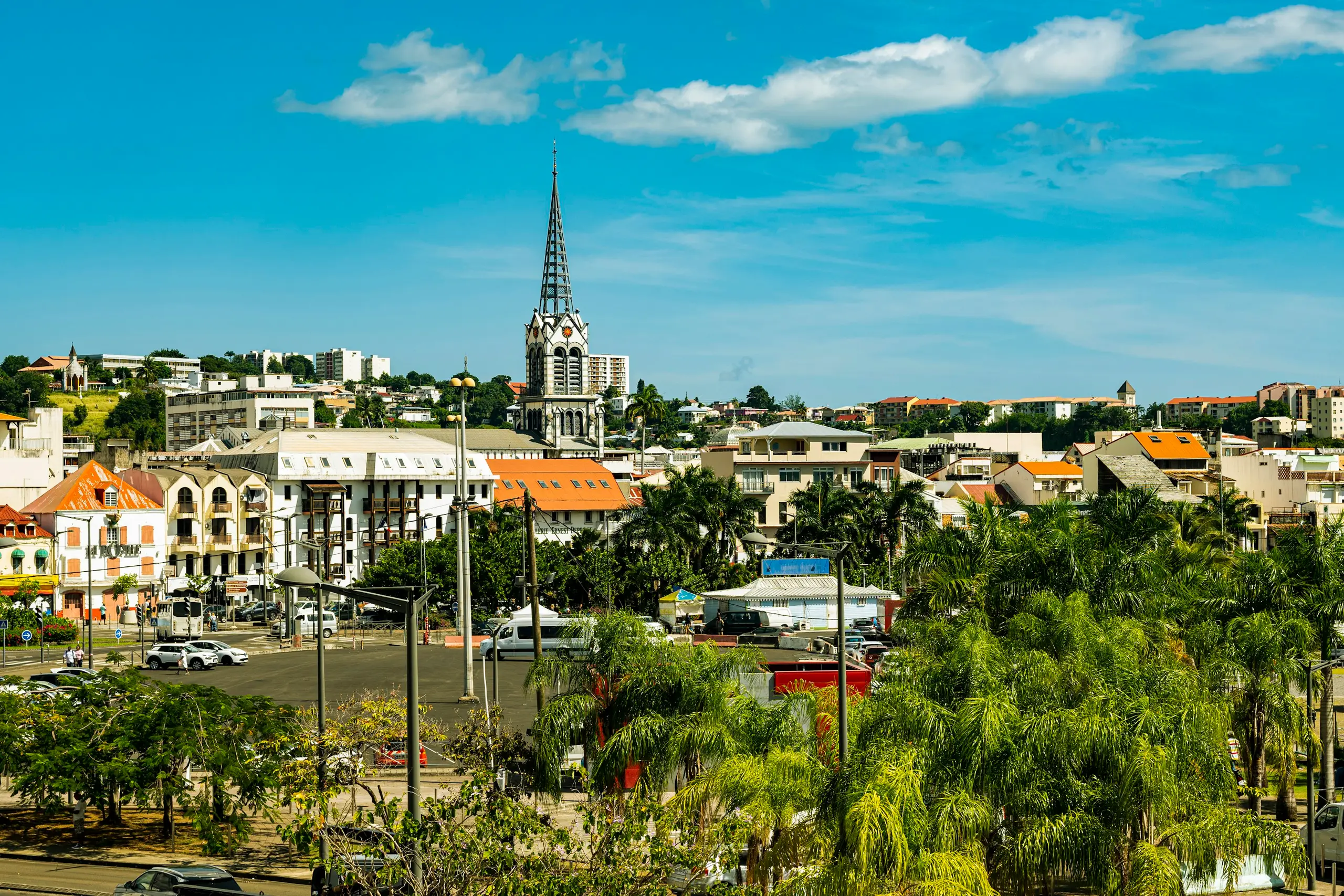
All-inclusive beach resorts · Direct flights from Canada

 Earn
 on every booking
All-Inclusive · Flights Included
7-night resort packages with return flights from Canada
View all packagesFort de France
Martinique
Fort de France
Martinique
At a glance
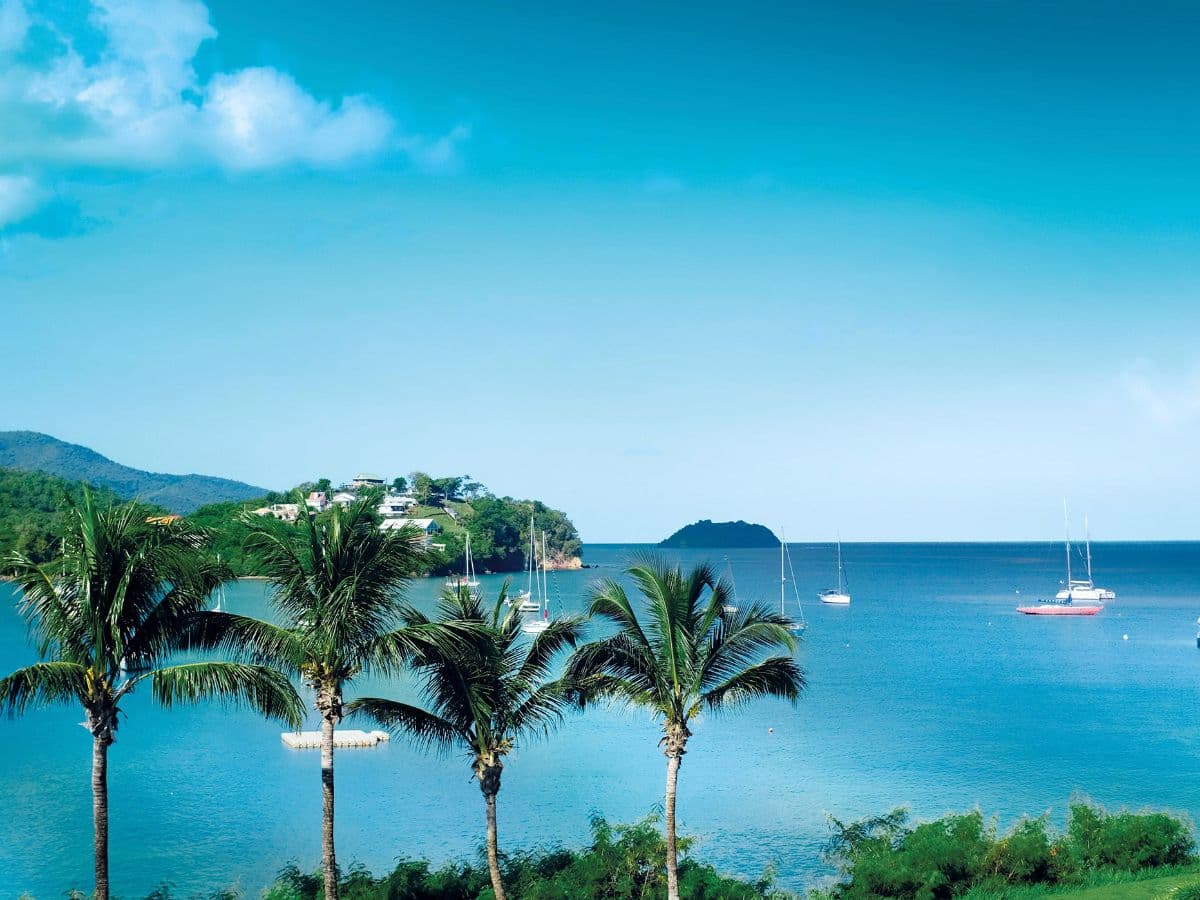
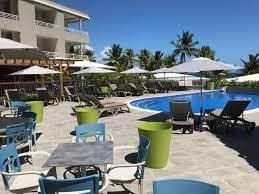
Martinique is France in the tropics — a lush, mountainous Lesser Antilles island where pastel Creole towns, rum distilleries, and volcanic peaks meet white-sand beaches and turquoise bays. Its capital Fort-de-France buzzes around La Savane park and the covered markets, while the south around Sainte-Anne and Les Trois-Îlets holds the island's finest beaches. It sits within the hurricane belt, so the dry 'Carême' season from December to April is prime time.
Climate
26–31°C · dry season Dec–Apr
Warm year-round; dry 'Carême' Dec–Apr, wetter 'Hivernage' Jun–Nov within the hurricane belt.
Currency
Euro (EUR)
Martinique is part of France · cards widely accepted
Entry
Visa-free
Valid passport only for Canadians
 In the capital
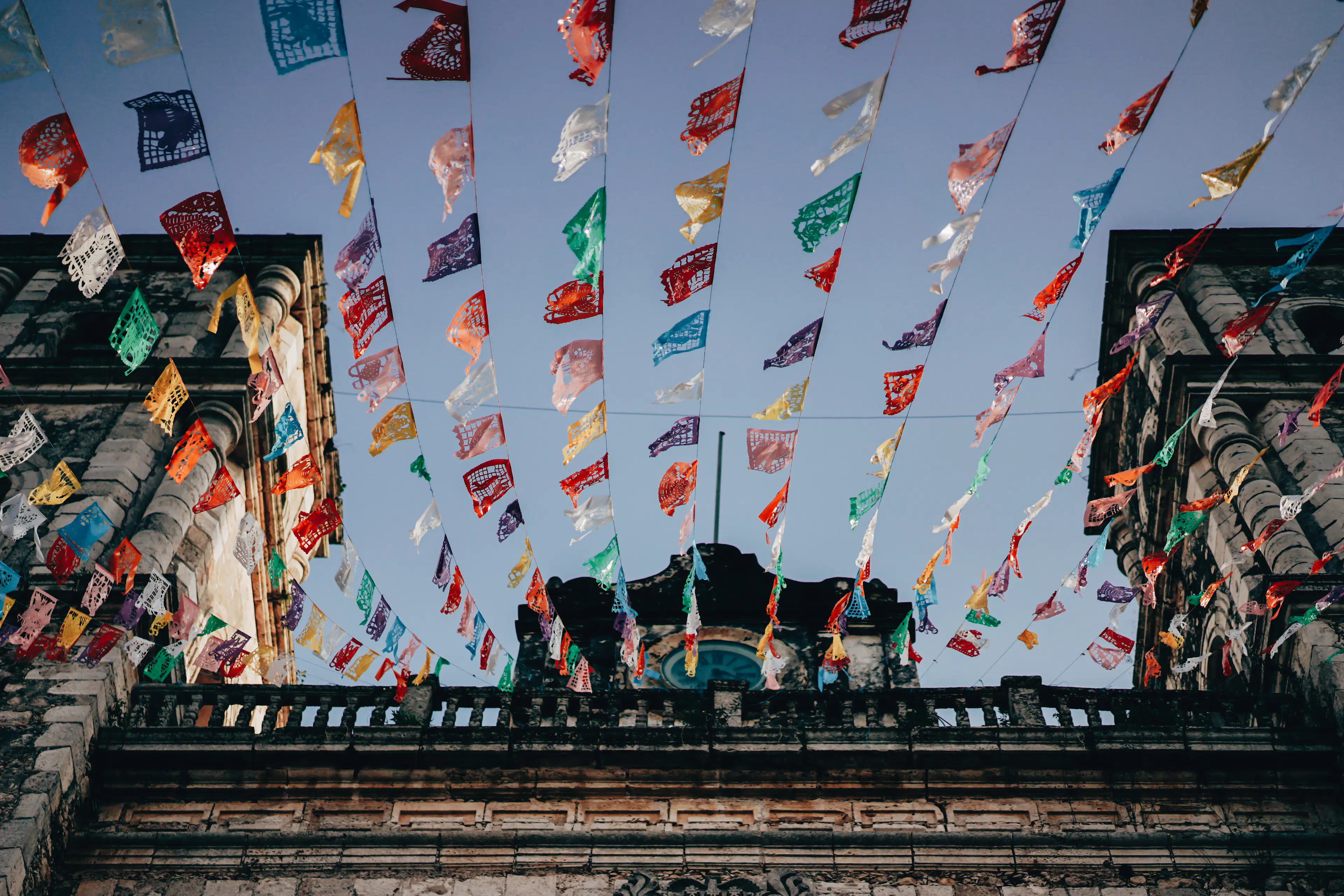
Wander La Savane park, Fort Saint-Louis, the Schoelcher Library, and the colourful covered spice market.
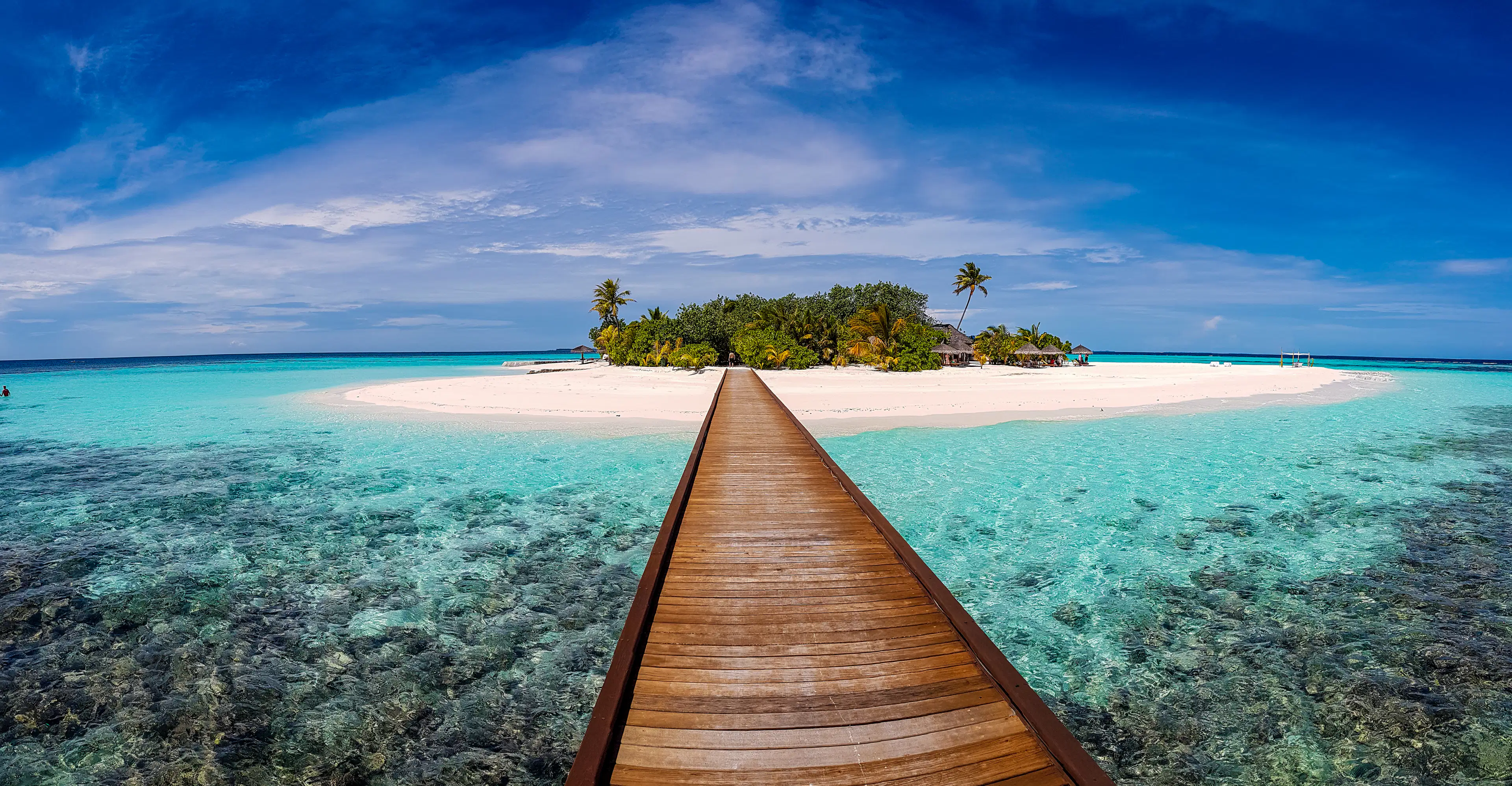
 In the south
Sink your toes into Grande Anse des Salines near Sainte-Anne — Martinique's most beautiful white-sand beach.
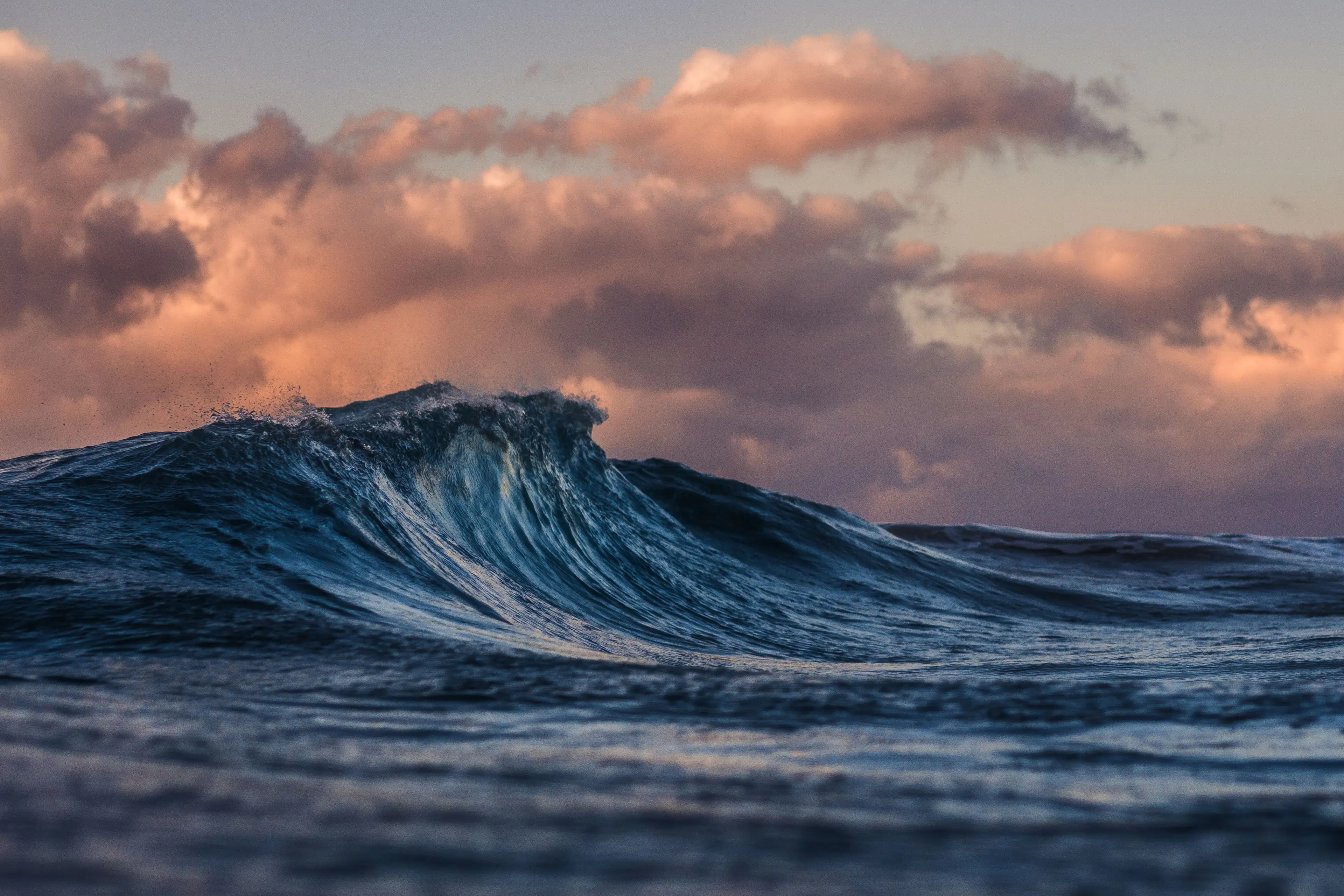
 On the water
Swim with green turtles off Anse Dufour and Grande Anse d'Arlet, or sail out to iconic Diamond Rock.
Passport: A valid Canadian passport is all you need — Martinique is part of France, and Canadians can visit visa-free for tourism up to 90 days.
Language: French is the official language and Martinican Creole is widely spoken. English is limited outside resorts, so a few French phrases help.
Travel insurance: Provincial health plans do not cover care in Martinique. Comprehensive travel insurance is strongly recommended.
Power & plugs: Martinique uses 230V/50Hz with European Type C/E plugs — bring a plug adapter and a voltage converter for 110V-only devices.
Time zone: Martinique runs on Atlantic Standard Time (AST) — one hour ahead of Montreal and Toronto in winter.
Dry 'Carême' season — sunny, lower humidity. Busiest and priciest for Canadians.
Warm with brief showers and great value before the summer rains.
Wettest months and highest Atlantic hurricane risk — watch forecasts closely.
Martinique's spectacular Carnival lights up Fort-de-France — book well ahead.
Where to stay
Martinique ranges from the lively capital to quiet southern beach villages. Here's how to choose your base.
Capital
The vibrant capital with La Savane park, Fort Saint-Louis, markets, and ferries across the bay to the resort strip.
Across the bay
The Pointe du Bout marina strip — hotels, beaches, and a quick ferry hop to Fort-de-France.
South coast
A laid-back southern town with calm swimming beaches, beach clubs, and easy access to Les Salines.
Southwest
A long windswept beach facing the dramatic Diamond Rock — great for walks, surf, and sunsets.
Beyond the resort
Martinique is a great launch point for the island's volcanoes, beaches, and rum heritage. Every excursion below can be booked through ShopTravel or your resort desk.
 Volcano & History
Visit the ruins of Saint-Pierre — the 'Pompeii of the Caribbean' destroyed by Mount Pelée in 1902 — and the volcano's slopes.
Beach DayRelax on Grande Anse des Salines, the island's most famous white-sand beach, with a stop in pretty Sainte-Anne village.
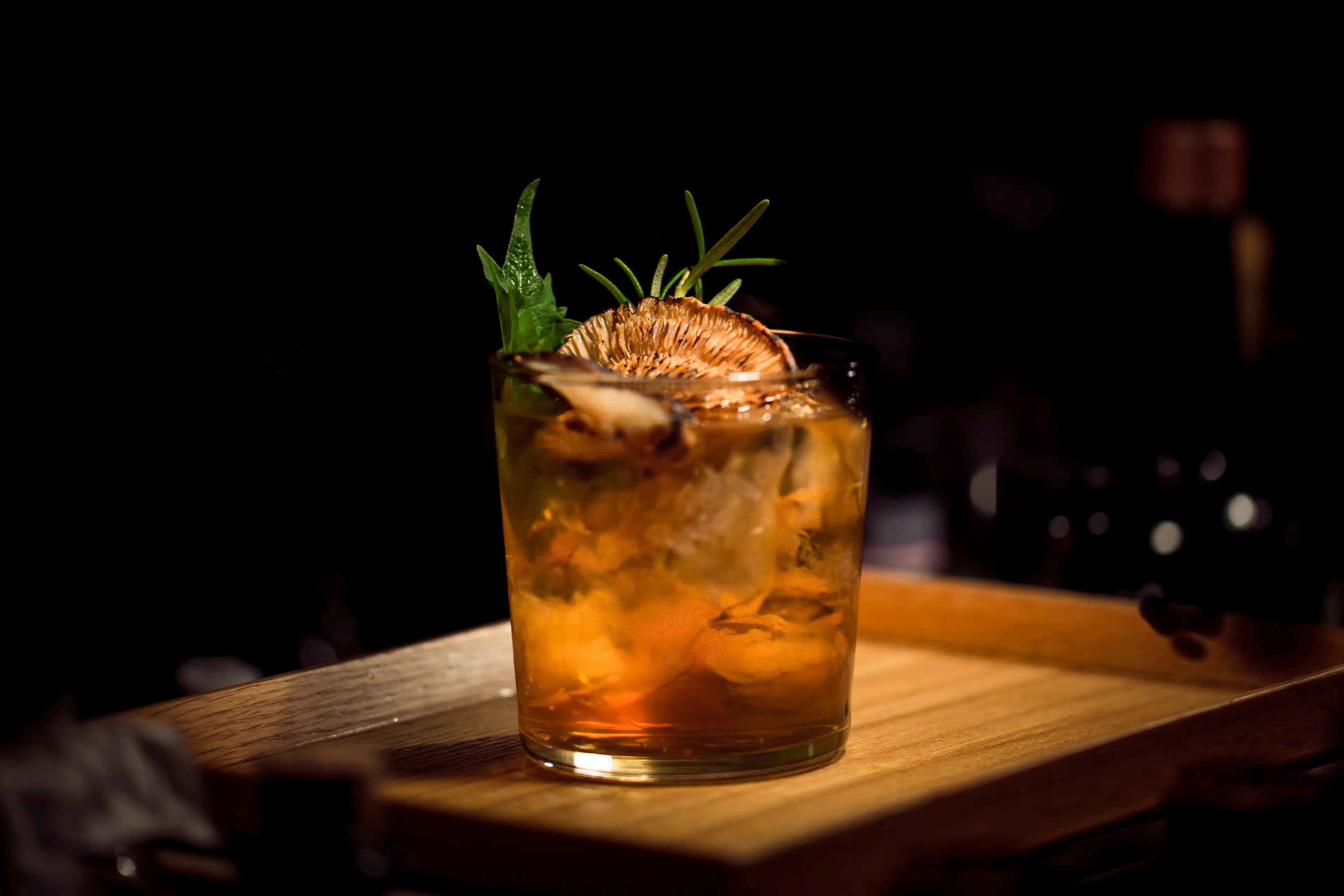 Food & Drink
Tour an AOC rhum agricole estate such as Habitation Clément or Depaz, with tastings and Creole plantation grounds.
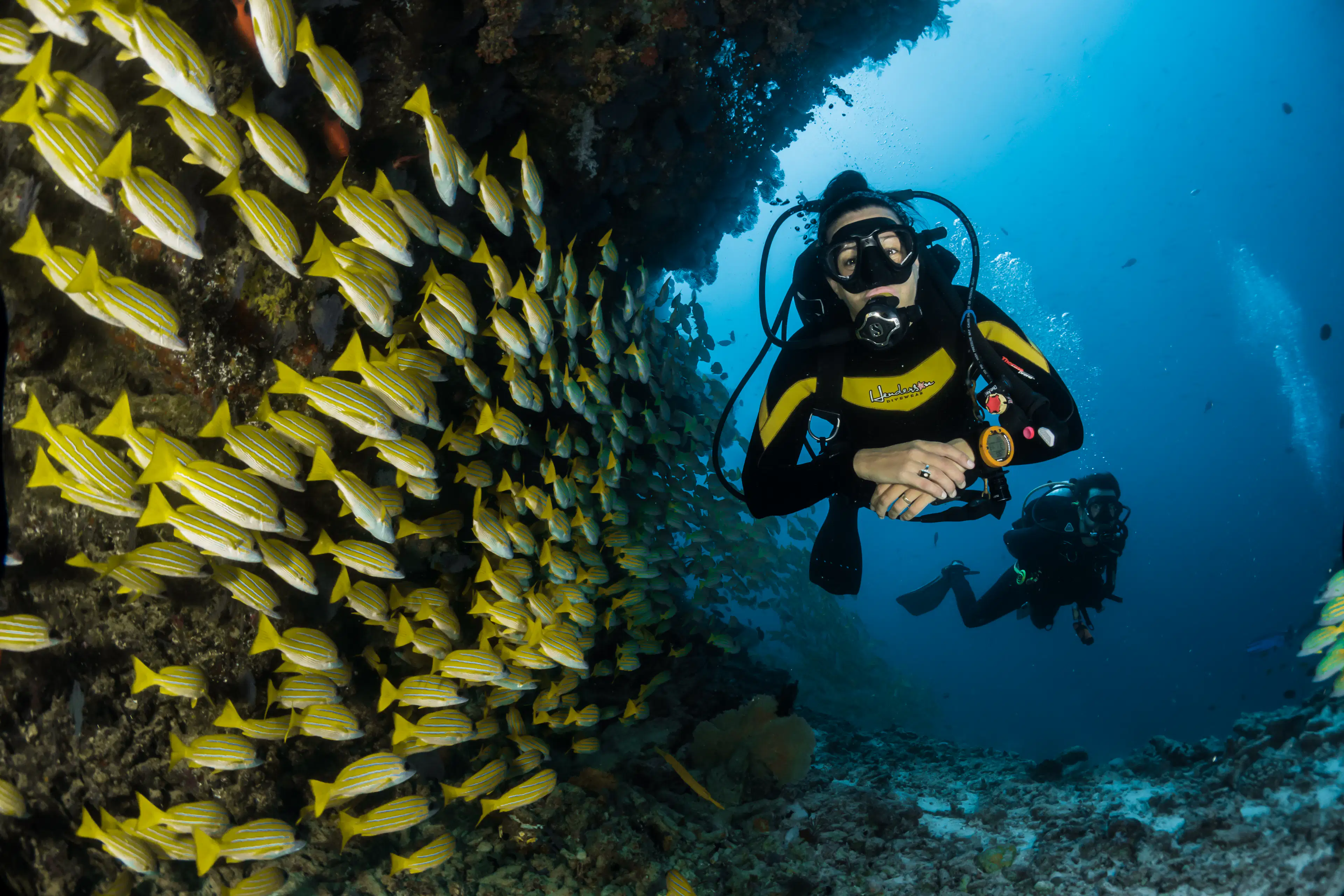 On the Water
Sail past the towering Rocher du Diamant, snorkel with sea turtles at Anse d'Arlet, and lunch aboard.
All-inclusive packages with flights from Canada, starting at
Good to know
Everything Canadian travellers ask before booking
No. Martinique is a French overseas region, and Canadians can visit visa-free for tourism up to 90 days with a valid passport.
Direct flights are about 5 hours from Montreal to Fort-de-France (FDF), with seasonal service and connections from other Canadian cities.
The dry 'Carême' season from December to April is ideal. Martinique is in the hurricane belt, so watch forecasts if travelling August–September.
French is official (with Creole widely spoken) and the currency is the Euro, since Martinique is part of France. Cards are accepted almost everywhere.
Martinique is a safe, welcoming French island. Tourist areas and Fort-de-France are well-patrolled; use normal city precautions.
Yes, it's strongly recommended. Canadian provincial health plans don't cover care in Martinique, and treatment can be costly without coverage.
Absolutely — you can snorkel with sea turtles at Anse Dufour and Grande Anse d'Arlet, and the south has stunning beaches like Les Salines.
Yes, you can add excursions like Mount Pelée & Saint-Pierre and the Catamaran to Diamond Rock to your trip at checkout.
