Catalonia Yucatan Beach
All-InclusiveRiviera Maya
Mexico
- 4 nights
- Comfort Room
- Flights incl.
Two coastlines, countless ways to feel the sun.
All-Inclusive · Flights Included
Live deals across Mexico — updated daily
Destinations
16 destinations to choose from
Handpicked · Verified reviews
At a glance
Few trips pack in as much as a Mexico vacation: turquoise Caribbean on one side, wild Pacific surf on the other, and a food-and-culture scene that turns a beach week into a real journey. The Caribbean coast around Cancun and the Riviera Maya is the easy classic, with warm, calm water and the biggest all-inclusive resorts. The Pacific side, from Los Cabos to Puerto Vallarta, trades reef for dramatic desert-meets-sea scenery, whale season and golden sunsets. Inland, ancient Maya cities and colonial towns sit close enough to visit on a day trip. Whichever coast you choose, the flight is short and English is widely spoken at the resorts.
Climate
25–29°C on the coasts year-round
Tropical. Dry, sunny winters; Atlantic hurricane season peaks Sep–Oct.
Currency
Mexican Peso (MXN)
1 CAD ≈ 13 MXN · USD widely accepted at resorts
Entry
Visa-free
Canadians get a tourist permit (FMM) on arrival for stays up to 180 days
Language
Spanish
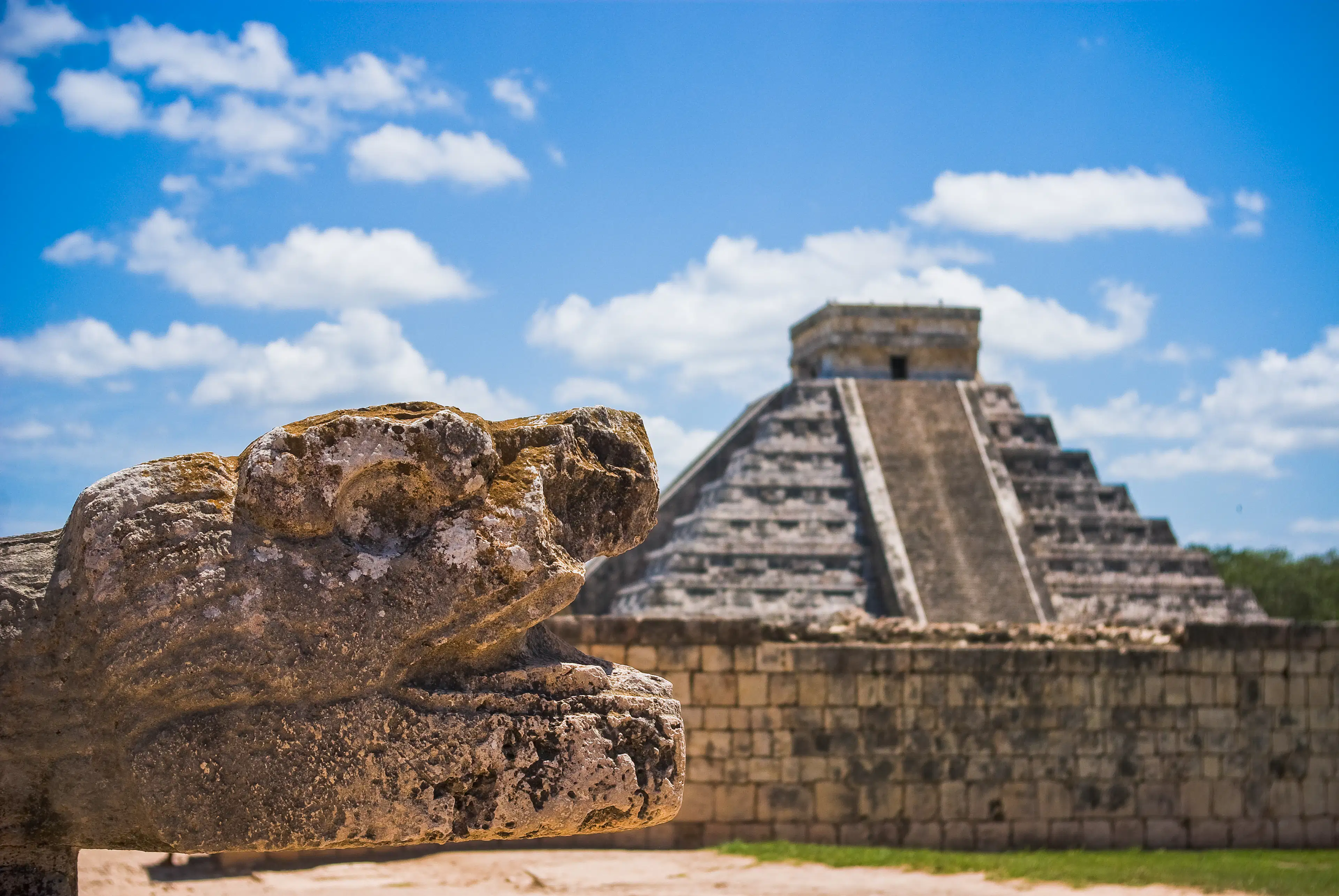
One of the New Seven Wonders of the World — a 1,500-year-old Mayan pyramid on the Yucatán Peninsula.
Swim in crystal-clear freshwater sinkholes hidden beneath the jungle near Cancún and the Riviera Maya.
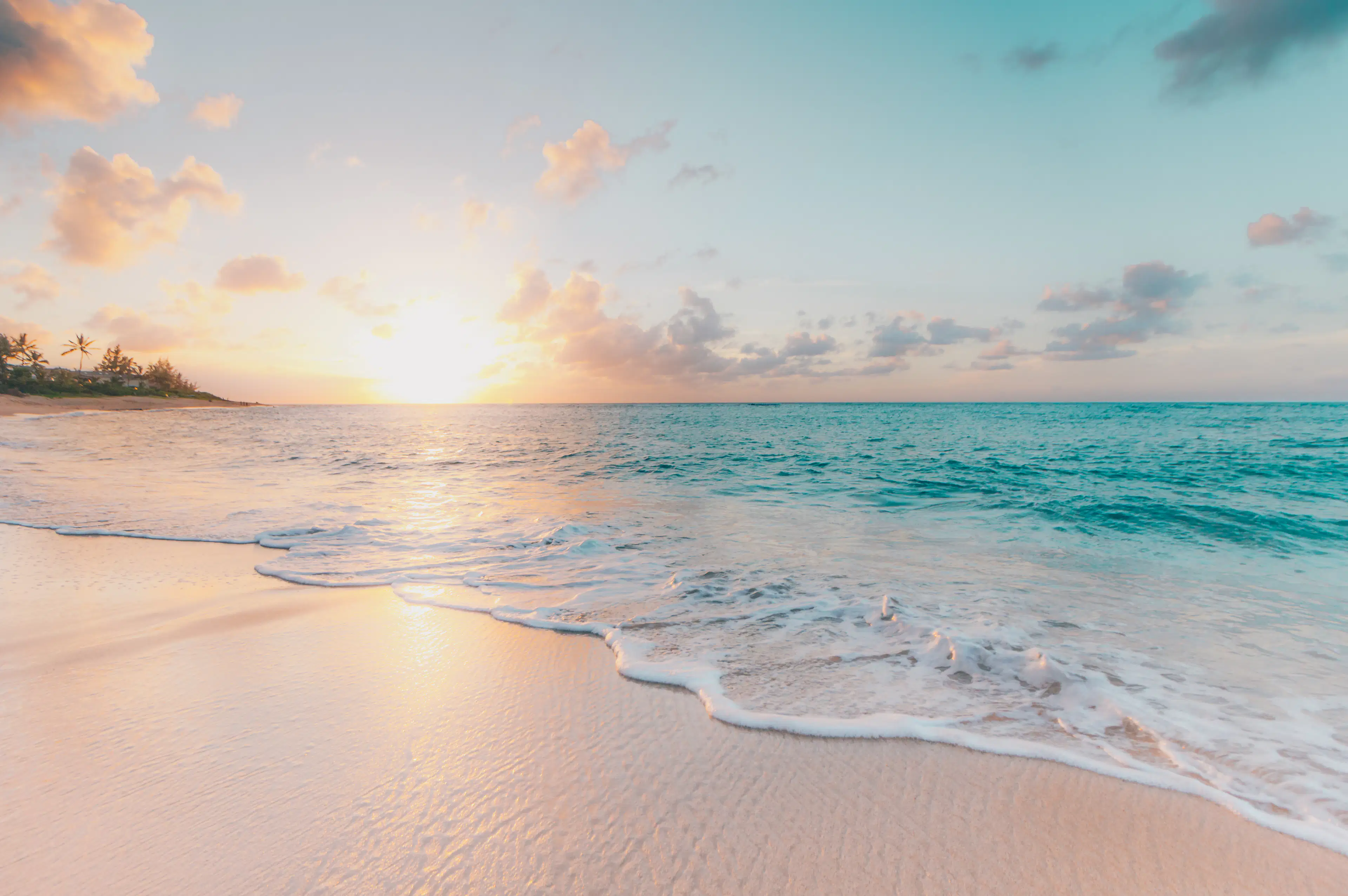
Powder-white Caribbean sand in the east or dramatic Pacific bays around Los Cabos and Puerto Vallarta.
Passport: A valid Canadian passport is required. Canadians get a tourist permit (FMM) on arrival for stays up to 180 days.
Travel insurance: Provincial health plans don't cover medical emergencies abroad — comprehensive travel insurance is essential.
Power & plugs: Type A/B outlets at 110–120V, same as Canada. No adapter needed at most resorts.
Money: Resorts run largely cashless; bring a credit card plus some small bills for tips and local vendors.
Dry, sunny and warm, around 28°C on the Caribbean coast. The busiest and priciest window, and the best weather. Book early for the holidays and late-February spring break.
Warm and increasingly humid, with spring-break energy in March, whale-shark season opening in May, and the lowest prices arriving over summer.
The quietest months. September and October carry the highest storm risk, then November opens dry and calm ahead of the holidays.
Where to stay
Mexico offers a range of bases — here's how to choose the right area for your trip.
Caribbean coast
Turquoise Caribbean beaches, the biggest all-inclusive resorts and easy day trips to Mayan ruins and cenotes.
Baja / Pacific
Desert-meets-sea landscapes, golf, and lively Cabo San Lucas nightlife on the Pacific tip of Baja.
Pacific coast
A walkable old town, art scene and Banderas Bay beaches with a more traditional Mexican feel.
Compare live packages with flights from Toronto, Montreal, Calgary & Vancouver.
Good to know
Everything Canadian travellers ask before booking
Yes. The main resort areas are well-travelled and geared to visitors. Use normal precautions, stick to resort zones and organised tours, and check current advisories before you go.
A valid passport is required; most visitors do not need a visa for short tourist stays and receive a tourist permit on arrival.
The Caribbean (Cancun, Riviera Maya) has calmer, clearer water and the most resorts; the Pacific (Los Cabos, Puerto Vallarta) has dramatic scenery, whales and sunsets. Both are excellent, just different.
Stick to bottled or filtered water, which resorts provide. Ice and food at resorts and established restaurants are fine.
December is peak season, dry, sunny and warm on both coasts, with the Caribbean around 28°C. Book early for the holiday weeks.