
Palma de Mallorca, Spain
Palma de Mallorca, Spain
Mediterranean city breaks · Flight + hotel from Canada · Old Town, Santa Catalina & the Tramuntana · From $1,249/person

 Cars
- 35+Years co-founder expertise
- 500,000+Travellers served
- 100%Canadian owned & operated
Everything you need to know about Palma de Mallorca
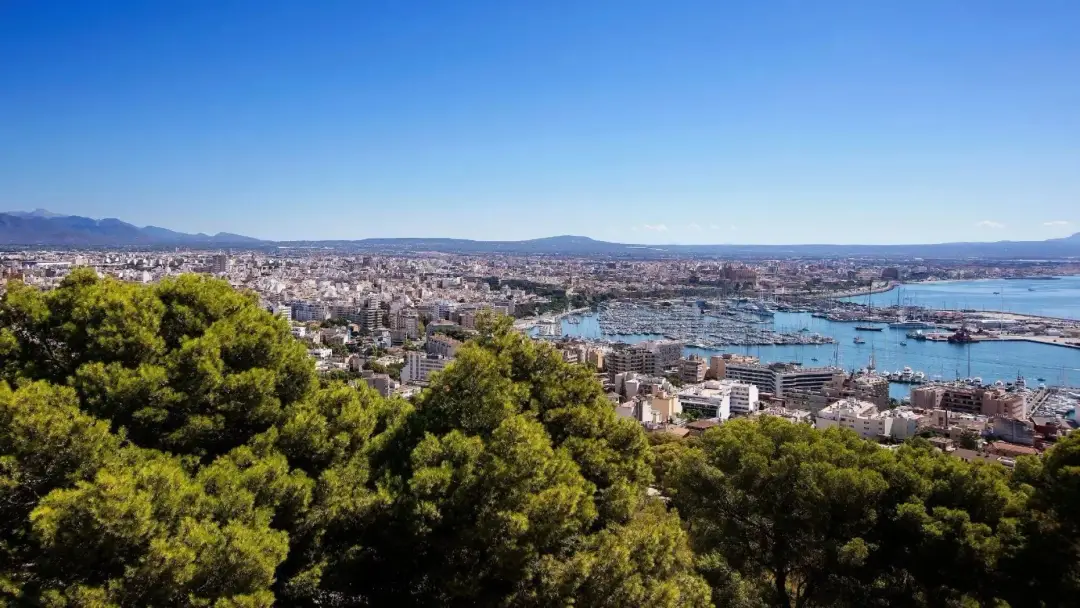
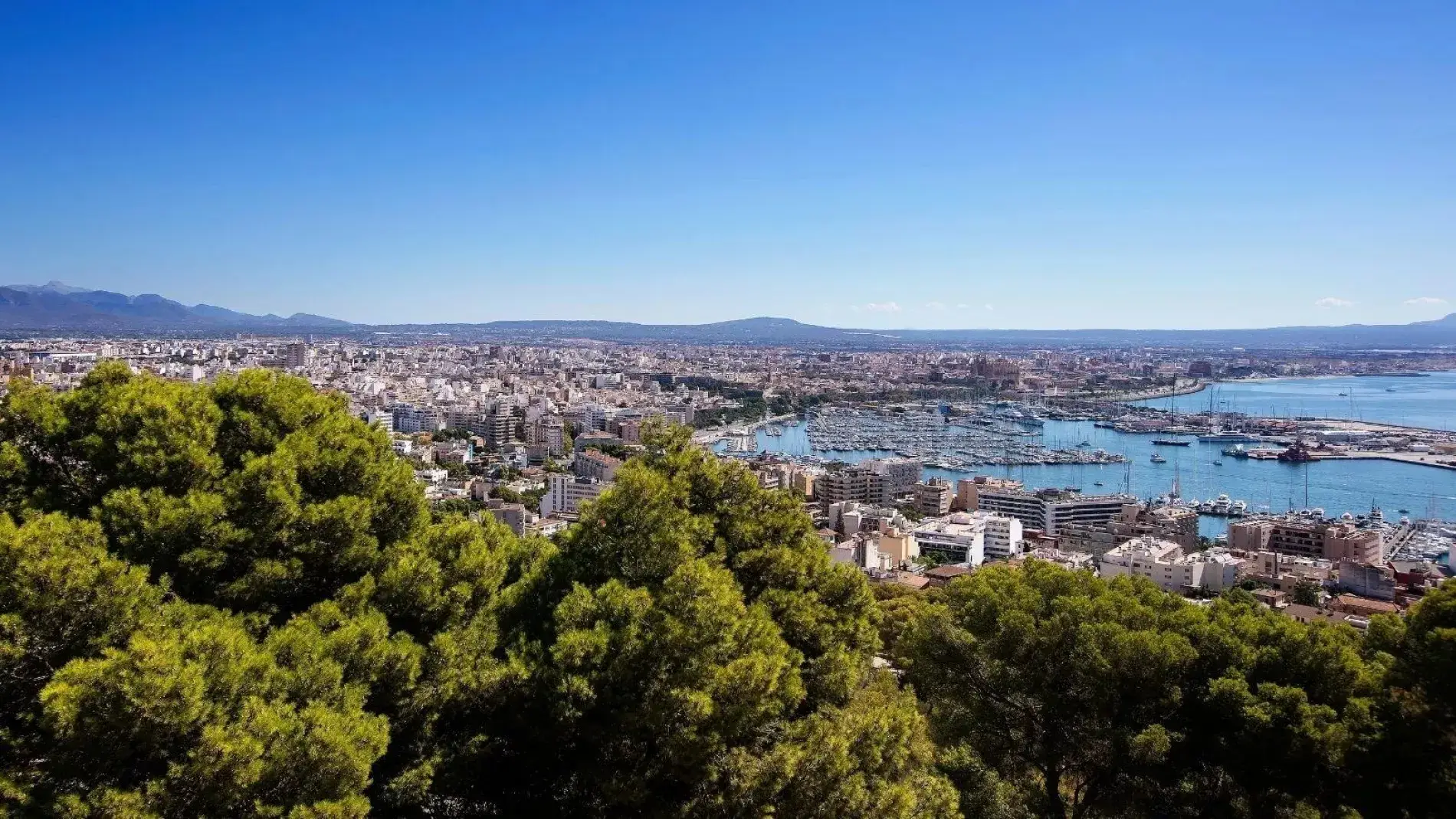
Palma is the sun-warmed capital of Mallorca, built around the honey-stone bulk of La Seu Cathedral rising straight from the seafront. Behind it, a maze of medieval lanes opens onto Passeig del Born, the boutiques of La Lonja, and the market halls and tapas bars of Santa Catalina — while the UNESCO-listed Serra de Tramuntana mountains and the Sóller vintage train are an easy day trip away.
Climate: Mediterranean
Hot dry summers (28–31°C) and mild sunny winters — spring and autumn are ideal for sightseeing.
Flight time from Toronto: ~11h (1 stop)
One-stop connections via Europe (Barcelona, Madrid, Frankfurt or London) to Palma (PMI).
Currency: Euro (EUR)
Spain uses the euro. Cards and contactless are accepted almost everywhere; carry a little cash for markets.
Best time to visit Palma de Mallorca
Apr – Jun · Peak season
Warm, blooming and ideal for walking the city and the Tramuntana.
Jul – Aug · Shoulder season
Hot and busiest — sightsee early, book hotels well ahead.
Sep – Oct · Peak season
Warm sea, softer light and fewer crowds — great value city breaks.
Nov – Mar · Quiet season
Mild and low-priced; the city stays lively while the coast winds down.
Palma de Mallorca neighbourhoods
Most Popular
Casc Antic (Old Town)
The historic core of medieval lanes, patios and plazas wrapped around the cathedral, Almudaina Palace and Passeig del Born.
Foodie & Lively
Santa Catalina
A converted fishermen's quarter of markets, tapas bars and rooftop terraces — Palma's most fashionable place to eat and drink.
Shopping & Bars
La Lonja (Sa Llotja)
Cobbled streets around the Gothic Llotja trading hall, packed with boutiques, wine bars and galleries steps from the marina.
Seaside & Local
Portixol & El Molinar
A laid-back former fishing harbour with a palm-lined promenade, brunch cafés and sea-view rooms a short cycle from the centre.
Top Experiences in Palma de Mallorca
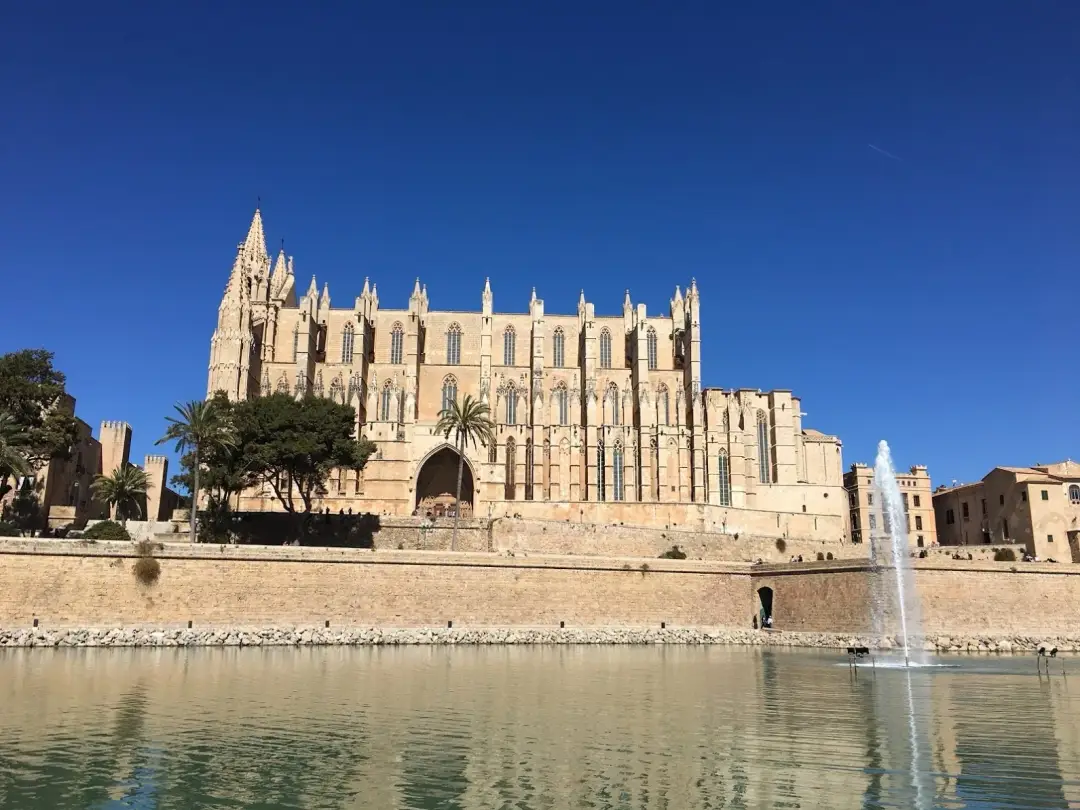
La Seu Cathedral & Old Town
Tour the vast Gothic cathedral with its Gaudí and Barceló interiors, then wander the Almudaina Palace and medieval lanes of the Casc Antic.
Landmark
Explore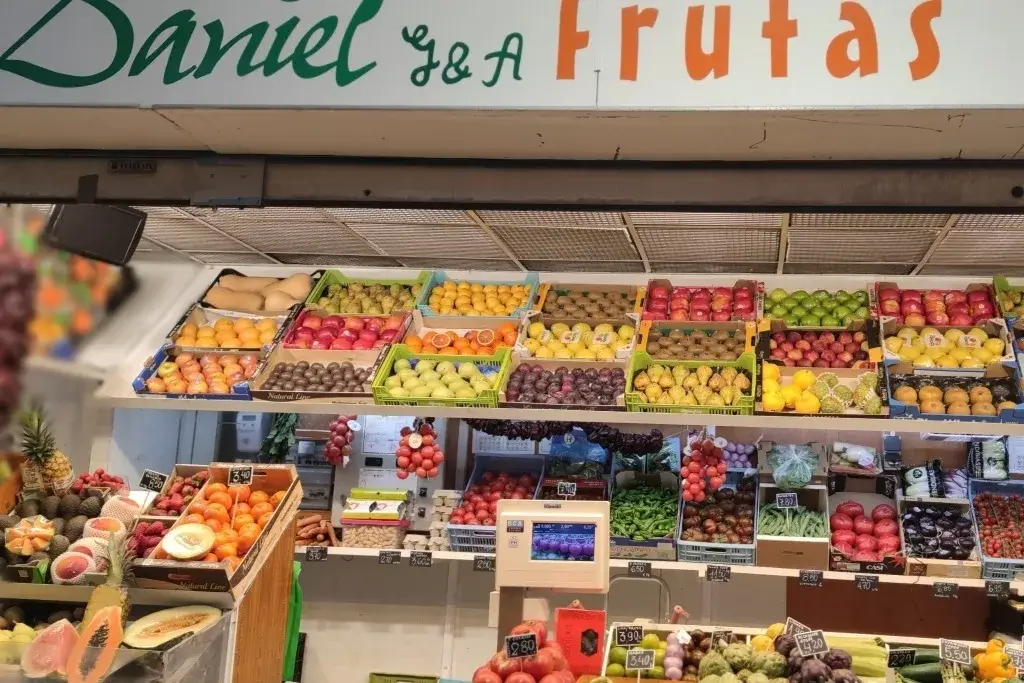
Santa Catalina Market & Tapas
Graze the stalls of Mercat de Santa Catalina, try ensaïmada and pa amb oli, then bar-hop the buzzing streets after dark.
Food & nightlife
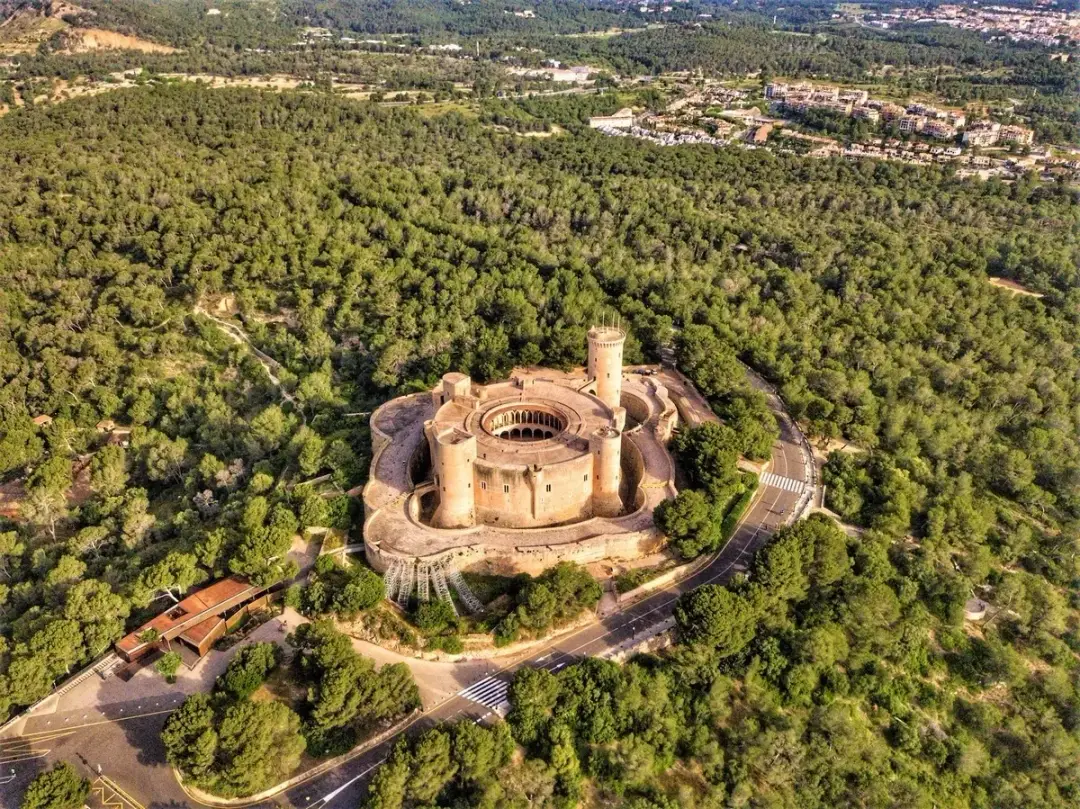
Bellver Castle & Es Baluard
Climb to the circular hilltop Castell de Bellver for panoramic bay views, then take in modern art at the Es Baluard museum on the old ramparts.
Views
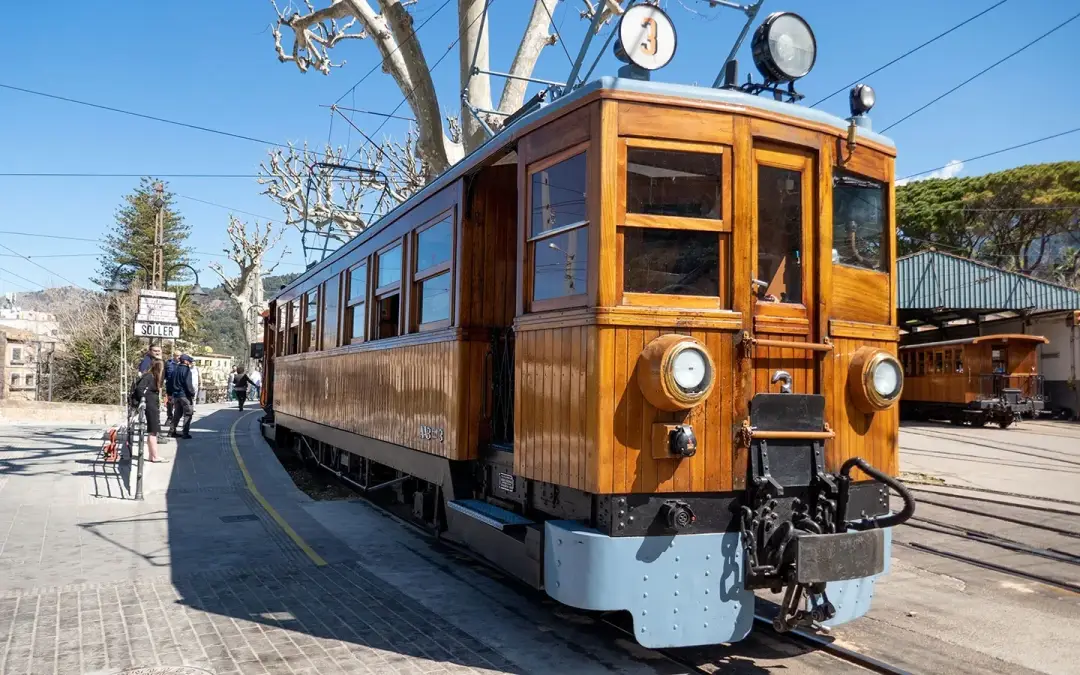
Sóller Vintage Train & Tramuntana
Ride the century-old wooden train through the orange groves and tunnels of the Serra de Tramuntana to the pretty town of Sóller and its seaside port.
UNESCO Landscape
Explore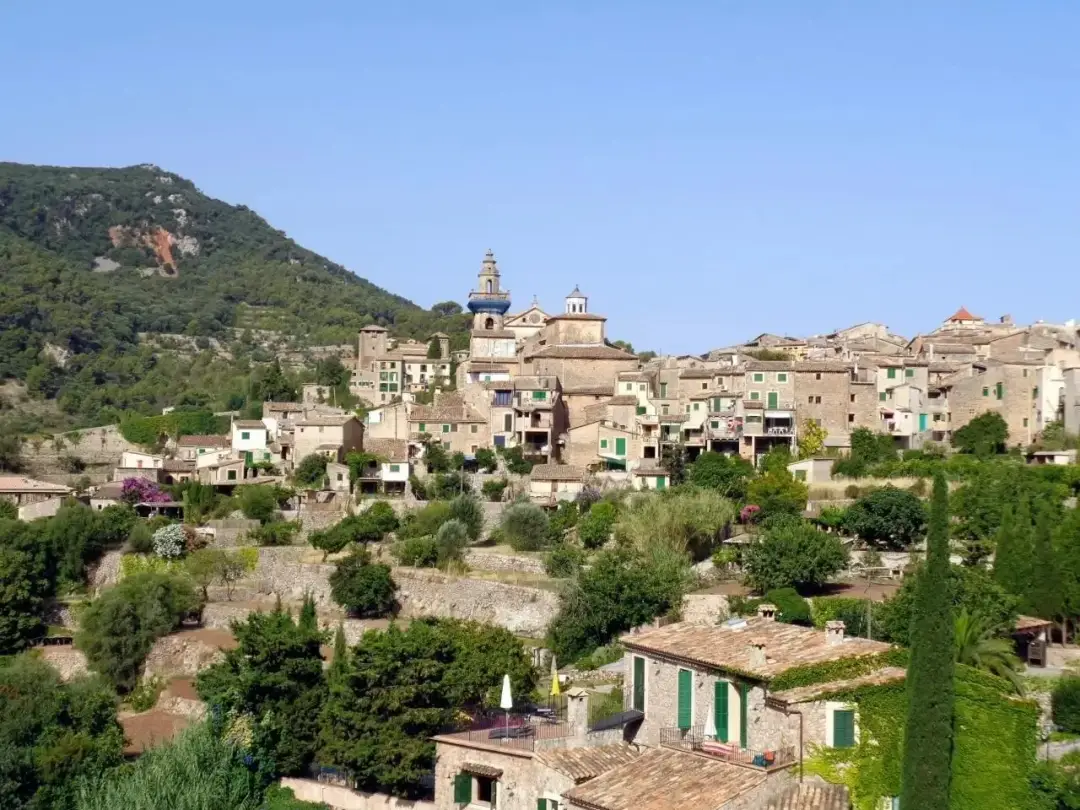
Valldemossa & Deià
Visit Valldemossa's Royal Carthusian monastery, where Chopin wintered, then the artists' village of Deià clinging to the Tramuntana slopes.
Mountain Villages
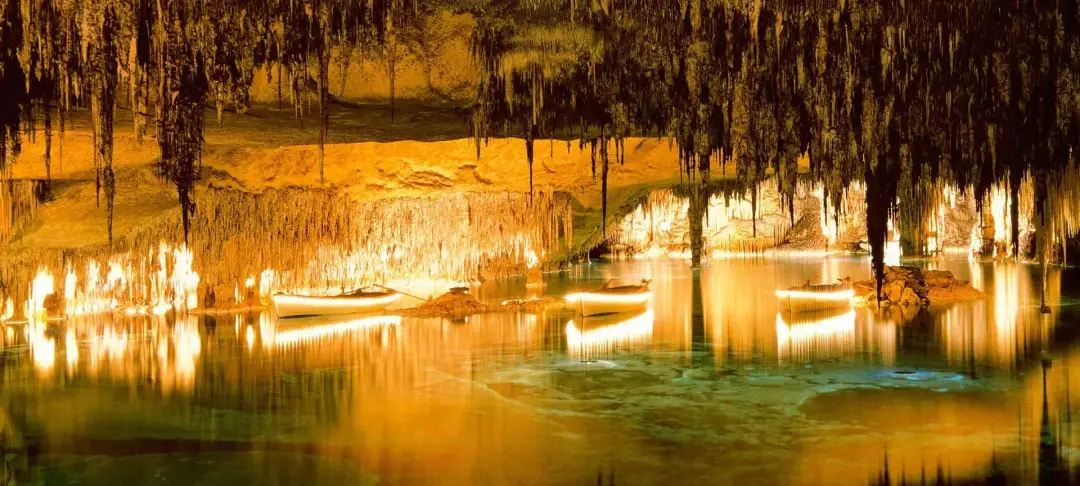
Caves of Drach, Porto Cristo
Descend into the vast Coves del Drac to see illuminated stalactites and one of the world's largest underground lakes, with a live classical concert on the water.
Natural Wonder
ExploreEssential info for Canadian travellers
Passport
Carry a Canadian passport valid for at least three months beyond your planned departure from the Schengen area, with two blank pages.
Visa & ETIAS
Canadians can visit Spain visa-free for up to 90 days in any 180-day period. The EU's ETIAS travel authorization is being phased in — check whether it applies before you fly.
Travel insurance
Provincial health plans do not cover care in Spain. Buy comprehensive travel medical insurance for the trip.
Power & plugs
Spain uses 230V/50Hz with Type C and F plugs. Bring a plug adapter and check that dual-voltage devices are rated for 230V.
Time zone
Palma runs on Central European Time (CET/CEST) — six hours ahead of Toronto.
Need help planning?
A travel expert can help you choose a resort, compare departures and check package inclusions.
Palma de Mallorca travel FAQ
Do Canadians need a visa for Palma de Mallorca?
No. Canadians can visit Spain and the Schengen area visa-free for up to 90 days in any 180-day period. The EU's ETIAS travel authorization is being introduced, so check whether it applies before you fly.
How do I get to Palma from Canada?
There are no year-round non-stops, so most Canadians connect once in Europe — via Barcelona, Madrid, Frankfurt or London — for a total travel time of about 11 hours into Palma (PMI).
When is the best time to visit Palma?
Spring (April–June) and early autumn (September–October) are ideal — warm, sunny and less crowded than the peak of July and August.
What currency and language are used?
Spain uses the euro (EUR), and cards are accepted almost everywhere. Both Spanish (Castilian) and Catalan (Mallorquín) are official; English is widely spoken in the city.
How do I get around Palma?
The old town is compact and best explored on foot. City buses, taxis and the airport bus (line A1) cover the rest, and the Sóller train and coach tours reach the mountains and coast.
Is Palma good for a winter city break?
Yes — winters are mild, hotels are cheaper, and the cathedral, museums, markets and tapas bars stay open even when the beach resorts wind down.
Do I need travel insurance?
It's strongly recommended. Provincial health plans don't cover care in Spain, so buy comprehensive travel medical insurance before you go.
Can I book day trips through ShopTravel?
Yes. You can add excursions like the Sóller Vintage Train, Valldemossa & Deià, and the Caves of Drach to your trip at checkout.