 After dark
Pueblo La Estrella
The cay's own village of shops, bars and open-air stages — live salsa and son bands, cocktails and late-night dancing by the lagoon.

Flight + hotel city breaks · Fly into Santa Clara (SNU)
Flight + Hotel · City Breaks
7-night flight + hotel packages via Santa Clara (SNU), with easy trips to Remedios and Santa Clara
View all packagesNo deals from Toronto right now
Try another departure city, or check back soon.
At a glance
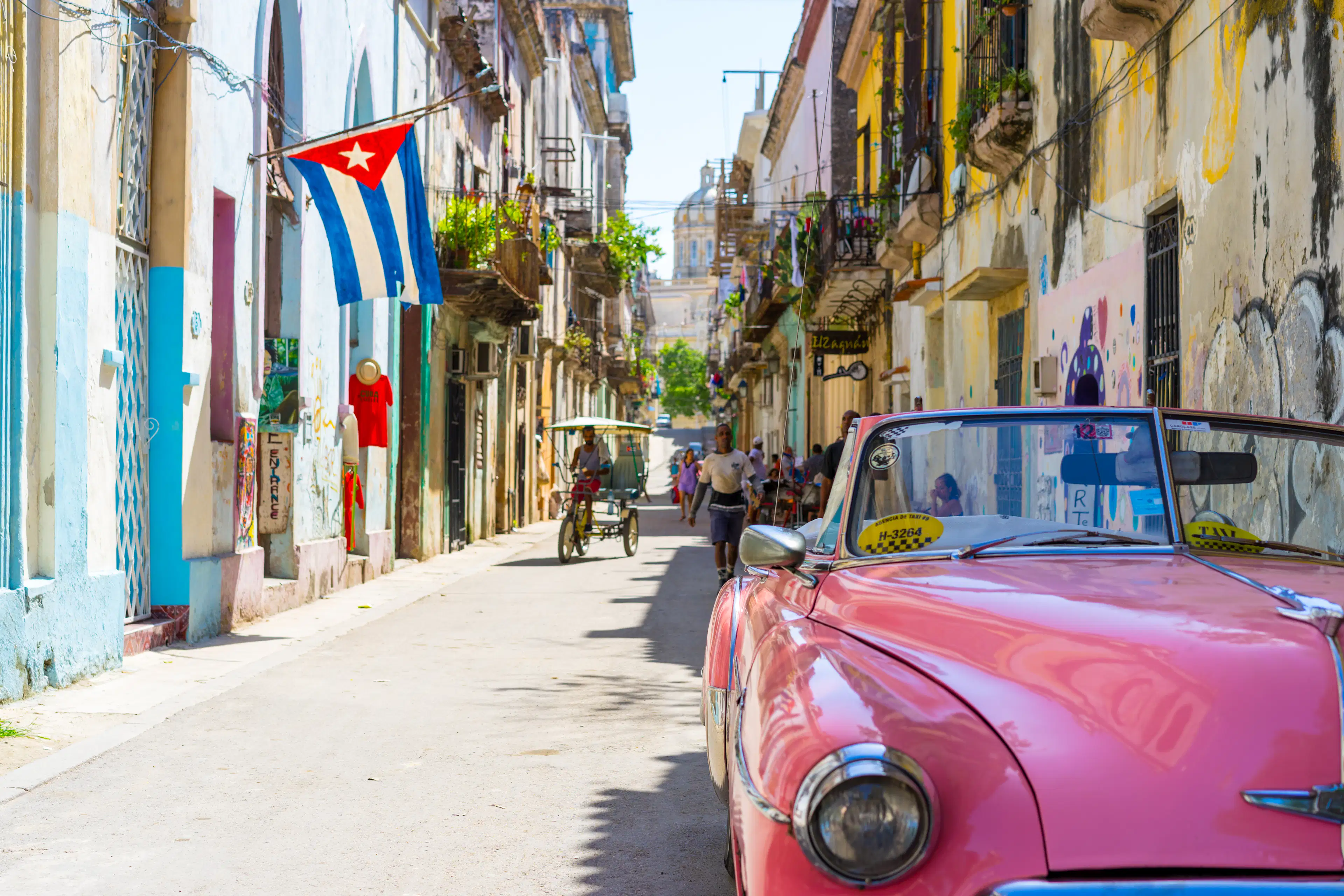
Cayo Santa María sits at the tip of the Jardines del Rey archipelago in Villa Clara province, reached by a 48 km causeway (the pedraplén) that hops across the bay from the mainland fishing town of Caibarién. What sets the area apart is how close it is to real Cuban culture: the perfectly preserved colonial town of Remedios, the revolutionary city of Santa Clara with its Che Guevara Mausoleum, and the cay's own entertainment village, Pueblo La Estrella, where live son and salsa spill out of the bars at night. Spanish is the language everywhere, and a little goes a long way with locals.
Climate
24–31°C · dry winters
Warm year-round with dry, pleasant winters (Nov–Apr) and hotter, wetter summers.
Currency
Cuban Peso (CUP)
Bring cash — CAD, USD & EUR are easiest to exchange
Entry
Tourist Card required
Passport + Cuban Tourist Card (visa) for Canadians
After darkThe cay's own village of shops, bars and open-air stages — live salsa and son bands, cocktails and late-night dancing by the lagoon.
 Colonial gem
One of Cuba's oldest towns: a sleepy plaza, two gilded churches and the Museo de las Parrandas devoted to its famous fireworks festival.
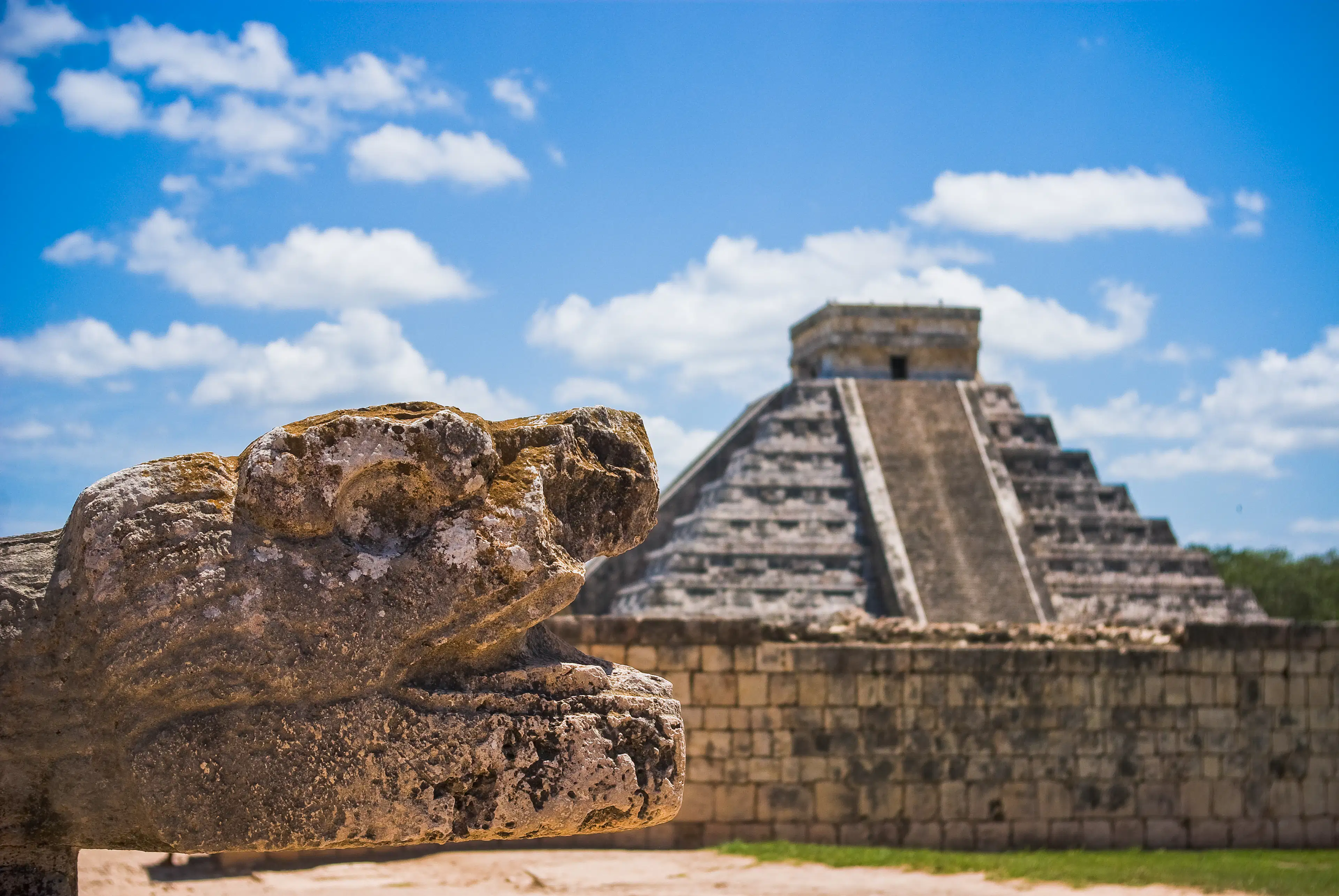
HistoryThe city where the revolution was won — visit the vast Che Guevara Memorial, mausoleum and the derailed armoured-train monument.
Passport: A Canadian passport valid for the length of your stay is required to enter Cuba.
Cuban Tourist Card: Canadians need a Cuban Tourist Card (Tarjeta del Turista) — the tourist visa — usually issued through your airline or travel agent before you fly.
Travel insurance: Travel medical insurance is mandatory to enter Cuba and may be checked on arrival. Keep proof of coverage with your documents.
Money & cards: The Cuban Peso (CUP) is the currency. Bring enough cash (CAD, USD or EUR) — cards from many Canadian banks are unreliable and US-issued cards do not work at all.
Power, plugs & time zone: Cuba uses 110V (some 220V) with Type A/B plugs, so most Canadian devices work. Cuba keeps the same clock as Toronto (Eastern Time), so there's no jet lag.
Dry, warm and comfortable — the busiest and priciest months for Canadians.
Hot and mostly dry with good value before the summer humidity builds.
Hot and humid; popular with families during the school break.
Wettest, most humid stretch of the year and the lowest crowds and prices.
Where to stay
The area strings across three linked cays plus the colonial mainland town of Remedios. Here's how to choose where to base yourself.
Main cay
The largest cay and the hub of the action, home to Pueblo La Estrella's shops, bars and live-music stages.
Middle cay
The smallest, most secluded cay in the middle of the chain — calm, green and low-key for a slower pace.
Gateway cay
The first cay off the causeway, with a small marina and quick access back to the mainland for day trips.
Mainland town
A tiny 16th-century colonial town of pastel casas particulares around a church-lined plaza — real Cuba, minutes past the causeway.
Beyond the cays
The cays are a short causeway drive from some of Cuba's richest history. Every excursion below can be booked through ShopTravel or your hotel tour desk.
Colonial HeritageWander Remedios' plaza, step inside the gilded Iglesia de San Juan Bautista and learn about the town's wild Christmas fireworks festival at the Museo de las Parrandas.
Revolution HistoryVisit the monumental Che Guevara Memorial and mausoleum, the armoured-train monument, and Santa Clara's lively Parque Vidal in the city where the revolution was decided.
 Local Life
The salt-and-sea town at the foot of the causeway, known for its giant crab statue, faded seafront malecón and no-frills seafood paladares.
UNESCO World HeritageA long but rewarding day to Cuba's most beautiful colonial town — cobbled streets, the Plaza Mayor, colourful mansions and the Valle de los Ingenios sugar valley.
Flight + hotel packages via Santa Clara from Canada, starting at
Good to know
Everything Canadian travellers ask before booking
Yes — Canadians need a Cuban Tourist Card (Tarjeta del Turista), the tourist visa, in addition to a valid passport. It's usually arranged through your airline or travel agent before departure.
Direct seasonal flights from Toronto to Santa Clara's Abel Santamaría Airport (SNU) take about 3h 30m. From there it's roughly an hour by road across the causeway to the cays.
The dry season from December to March is the most comfortable and popular. September and October are the wettest and most humid, but the quietest and cheapest.
Yes. Travel medical insurance is mandatory to enter Cuba and can be checked on arrival, so travel with proof of coverage.
The Cuban Peso (CUP) is the currency, but bring cash to exchange — Canadian dollars, US dollars or euros. Foreign credit and debit cards are unreliable in Cuba, and US-issued cards do not work at all.
Spanish is spoken everywhere. English is common in hotels and tourist areas, but a few Spanish phrases go a long way in Remedios and Santa Clara.
The cays are linked by a single road and causeway to the mainland. Taxis, hotel shuttles and organised excursions are the easiest way to reach Remedios, Caibarién and Santa Clara.
Yes — day trips like the Remedios Colonial Town tour and the Santa Clara & Che Guevara Mausoleum excursion can be added to your trip at checkout.