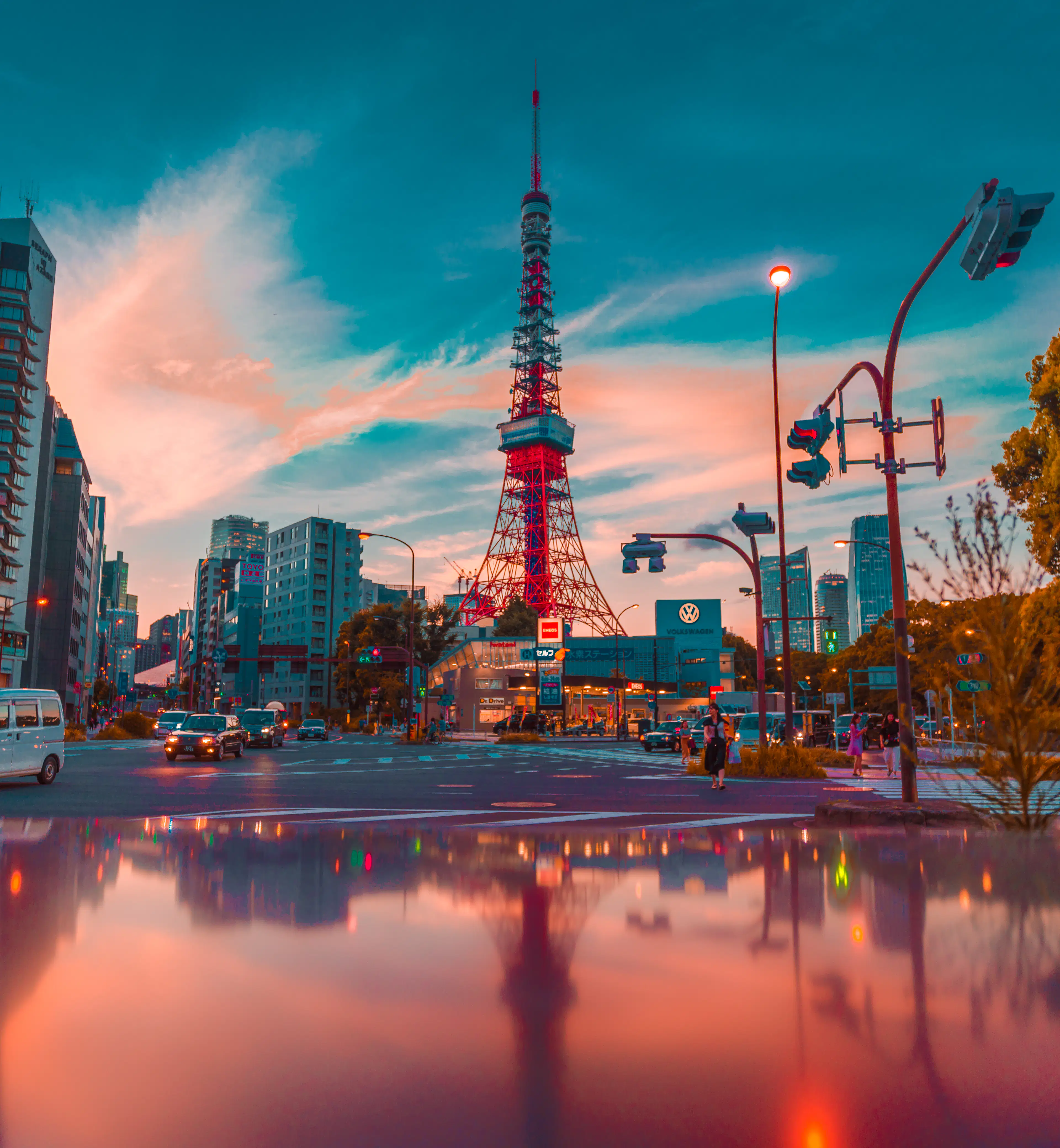
 Iconic
Nara Park & the deer
Wander the open parkland where over a thousand free-roaming sacred deer bow for crackers beneath the trees.

Flight + hotel · Sacred deer, the Great Buddha & ancient temples · Guided & independent tours
Destination
At a glance
Japan's first permanent capital, Nara is a compact, walkable city where sacred deer roam free through the parkland and one of the world's largest bronze Buddhas sits inside the vast Todai-ji temple. It's about an hour by train from Osaka Kansai Airport (KIX) and makes a serene base or an easy day trip from Osaka and Kyoto in the heart of the Kansai region.
Climate
Four seasons; spring & autumn best
Cherry blossom in late Mar–Apr, fiery autumn colours in Nov, hot humid summers.
Currency
Japanese Yen
1 CAD ≈ 110 JPY · IC transit cards widely used
Entry
Visa-free
Short stays for Canadians
IconicWander the open parkland where over a thousand free-roaming sacred deer bow for crackers beneath the trees.
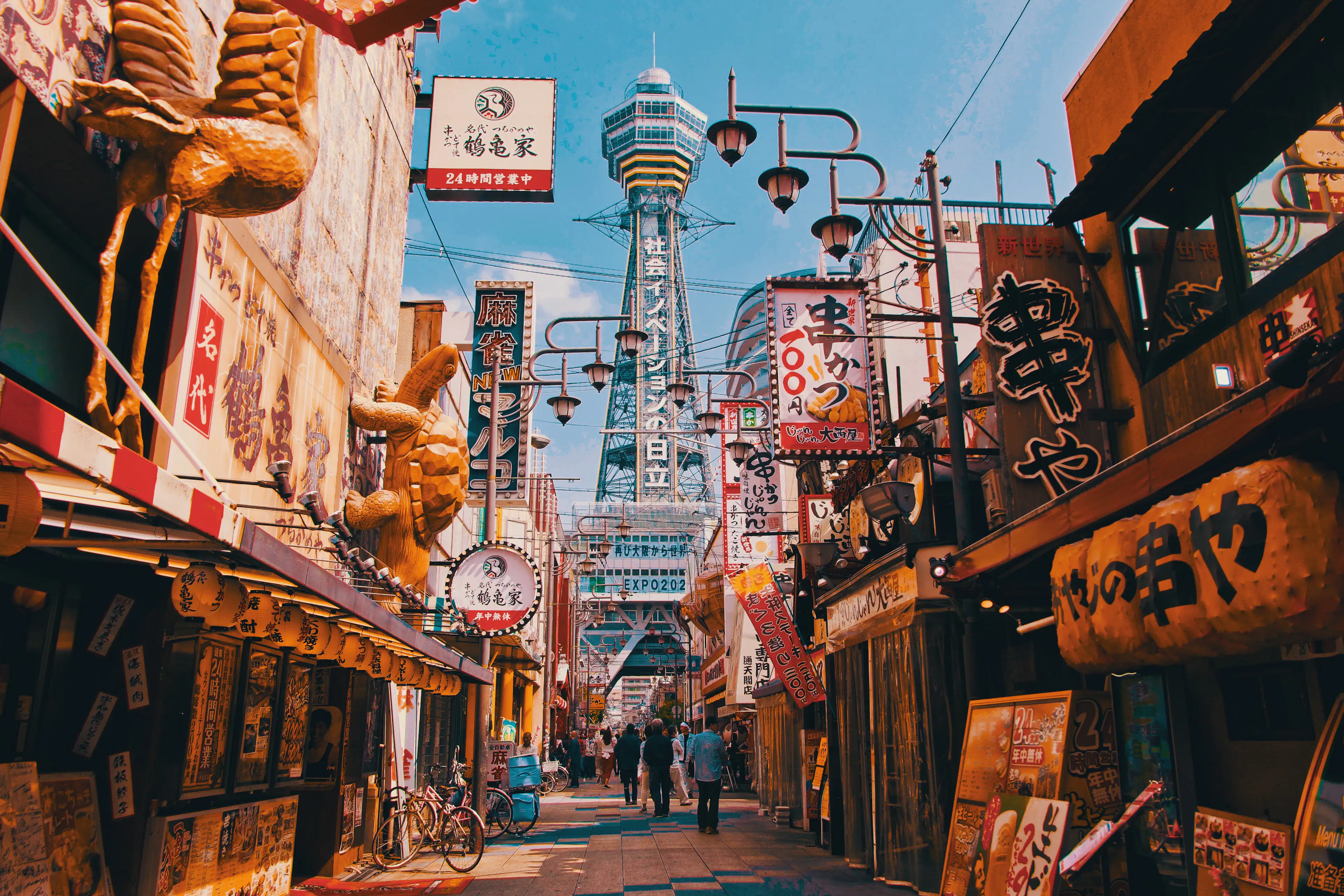 Great Buddha
Stand before the colossal bronze Daibutsu inside one of the world's largest wooden temple halls.
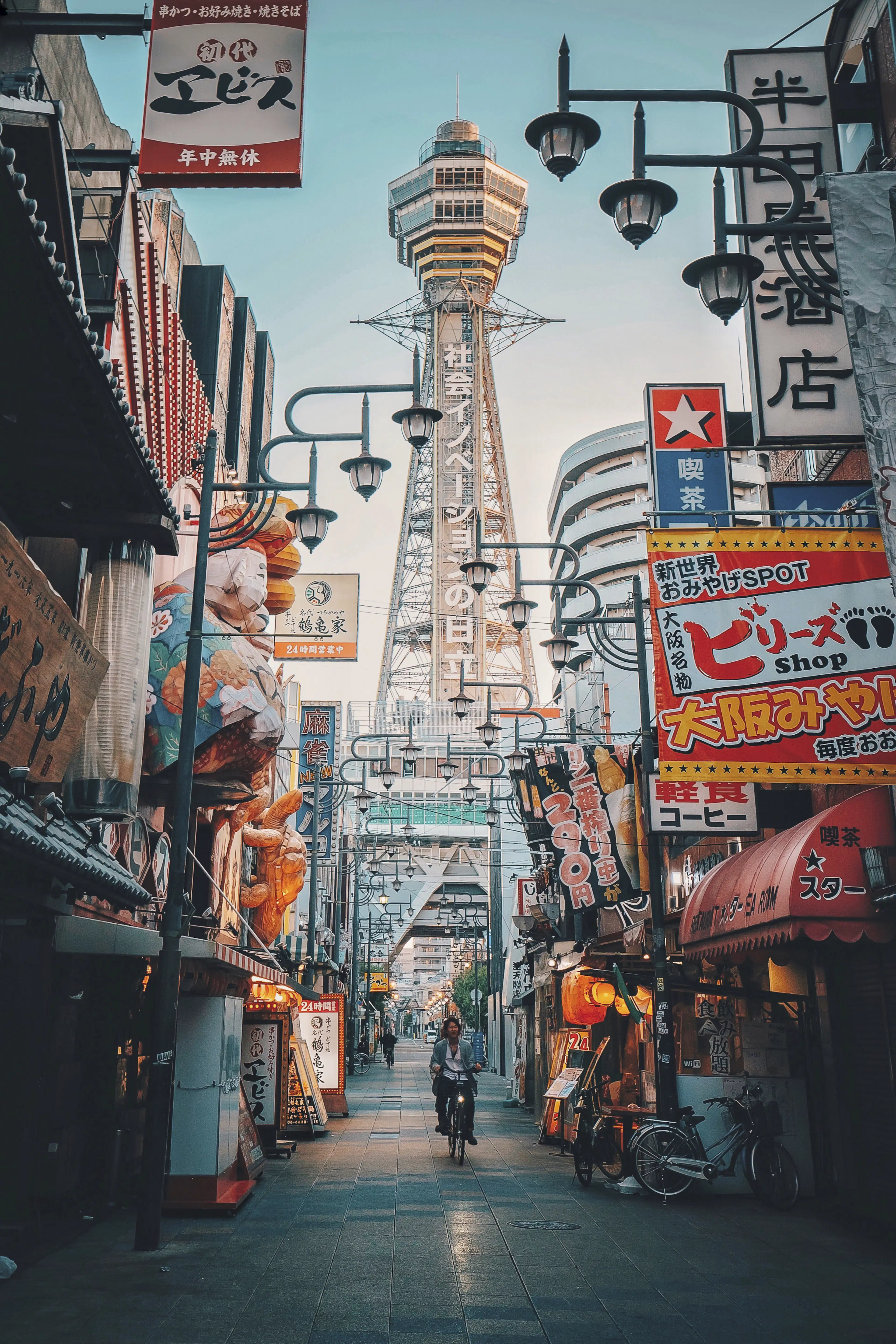 Lanterns
Follow lantern-lined forest paths to Nara's most sacred vermilion shrine, hung with thousands of bronze lanterns.
Passport: A valid Canadian passport is all you need — Japan is visa-free for short tourist stays.
Getting to Nara: Fly into Osaka Kansai (KIX), then take the train — about one hour to Nara via Osaka Namba or Tennoji.
Transit & IC cards: Pick up an ICOCA or Suica IC card to tap on to trains, subways and buses, and pay at convenience stores.
Travel insurance: Provincial health plans don't cover medical care in Japan. Comprehensive travel insurance is essential.
Power & plugs: Japan uses 100V with Type A/B plugs — Canadian plugs fit, though the voltage is slightly lower.
Time zone: Nara runs on Japan Standard Time (JST) — about 13–14 hours ahead of Toronto.
Sakura in bloom across Nara Park — the most beautiful and busiest time. Book far ahead.
Fiery maple foliage around the temples and Mount Wakakusa. Peak demand.
Mild, comfortable weather with fewer crowds and better value.
Humid summers with the June rainy season. Cheaper but sticky.
Where to stay
Nara is compact and easy to explore on foot, but each area has its own feel — from the parkland temples to the old merchant quarter and the convenient station hubs. Here's how to choose.
Historic east
Steps from the roaming deer, Todai-ji and Kasuga Taisha — the heart of Nara's temples and parkland.
Old town
A lattice-fronted merchant district of machiya townhouses, cafés, craft shops and quiet lanes.
Transport hub
The transit hub for trains to Osaka, Kyoto and the airport — handy for day trips and easy transfers.
Eastern hills
A leafy area below Mount Wakakusa near Kasuga Taisha — peaceful once the day crowds leave.
Beyond the city
Nara sits in the heart of Kansai, an easy train ride from Kyoto, Osaka and ancient Horyu-ji. Every tour below can be booked through ShopTravel or your hotel concierge.
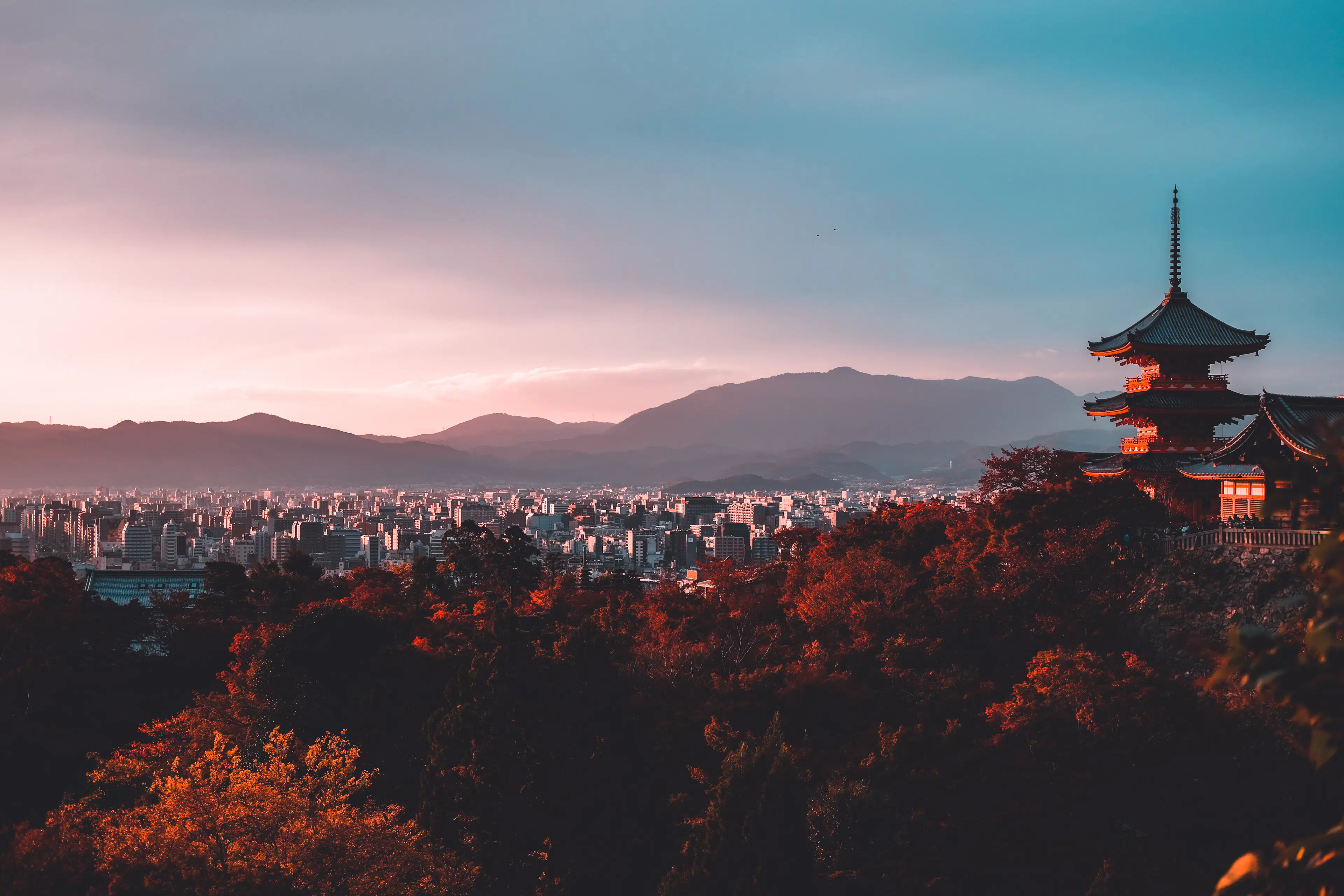 Day Trip
Explore the shrines, geisha streets and Zen gardens of Japan's imperial capital just north of Nara.
CultureVisit the world's oldest surviving wooden buildings at the UNESCO-listed Horyu-ji temple complex.
 Day Trip
Explore Osaka Castle and graze the street-food stalls of neon-lit Dotonbori.
Guided WalkClimb the grassy slopes of Mount Wakakusa for city views, then wander the machiya lanes of Naramachi.
Flight + hotel packages with connecting flights from Canada, starting at
Good to know
Everything Canadian travellers ask before booking
No. Canadians can visit Japan visa-free for short tourist stays with a valid passport.
There are no nonstop flights. Expect roughly 14–15 hours total via one connection to Osaka Kansai (KIX), then about an hour by train to Nara.
Late March to April for cherry blossom and November for autumn colours are the most beautiful — and busiest. May and October offer great weather with fewer crowds.
Central Nara is compact and best explored on foot, with the park and main temples all within walking distance. Buses and IC cards (ICOCA/Suica) cover the rest.
Yes — many travellers visit Nara as a day trip from Osaka or Kyoto, both under an hour away. An overnight stay lets you enjoy the park and temples after the day crowds leave.
Yes — the free-roaming deer are used to visitors, and you can buy special deer crackers (shika senbei) from park vendors. Bow to them and they often bow back.
Yes — it's strongly recommended. Provincial health plans don't cover medical care in Japan, which can be costly.
Yes, you can add guided tours and day trips like Kyoto, Osaka and Horyu-ji to your trip at checkout.